Opening Thursday, September 17, from 6 to 9 pm, on the occasion of La Nuit des Bains, as part of Geneva Art Week
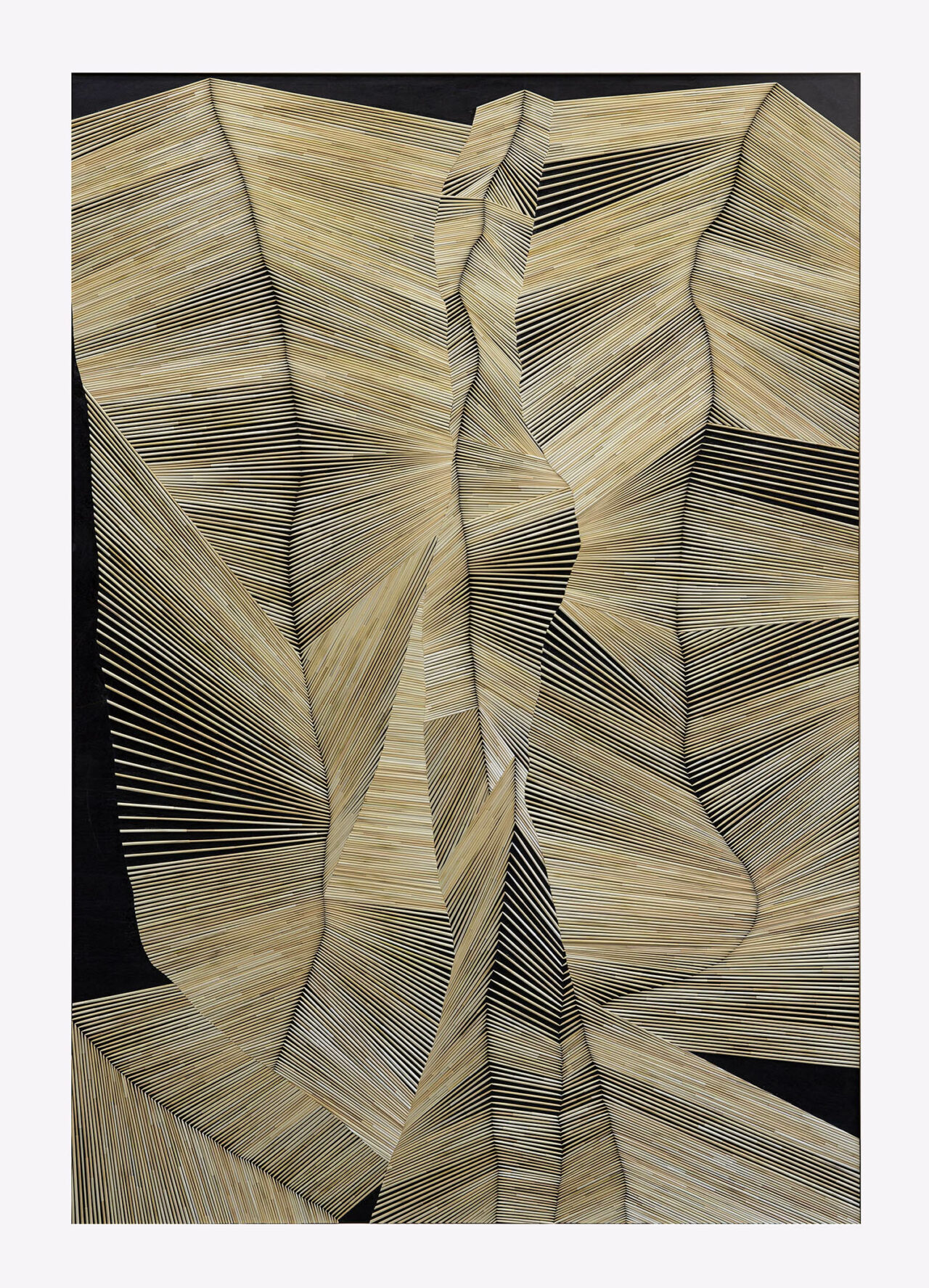
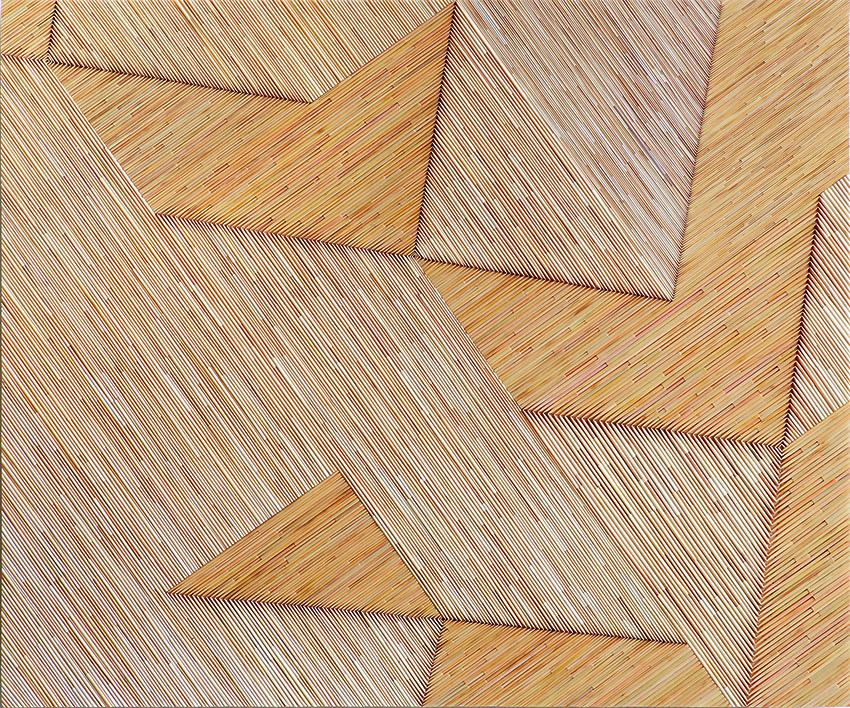
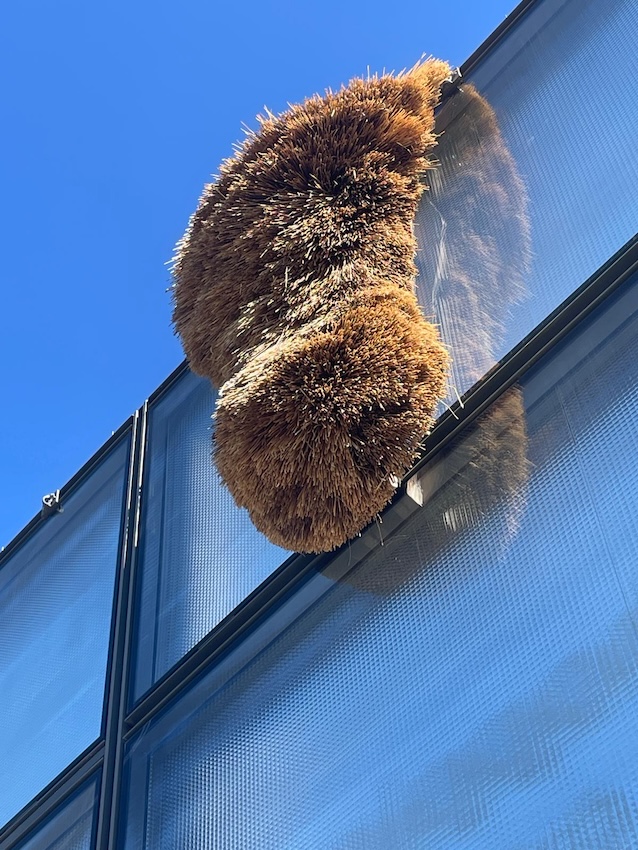
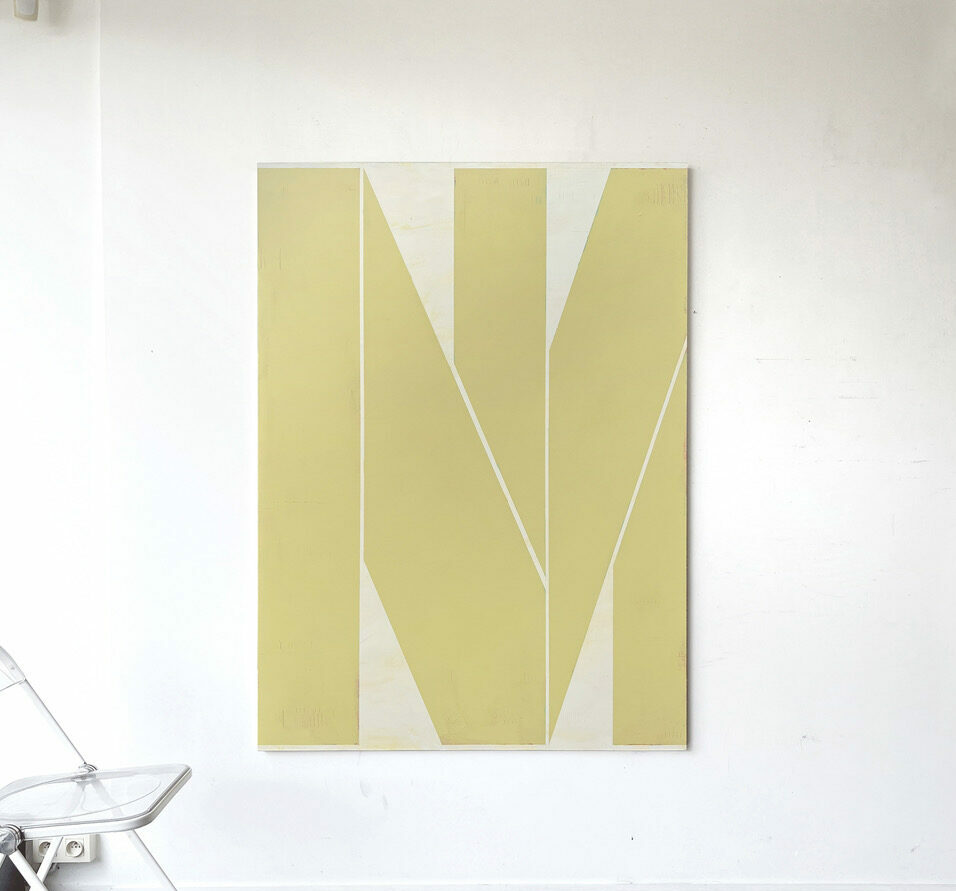
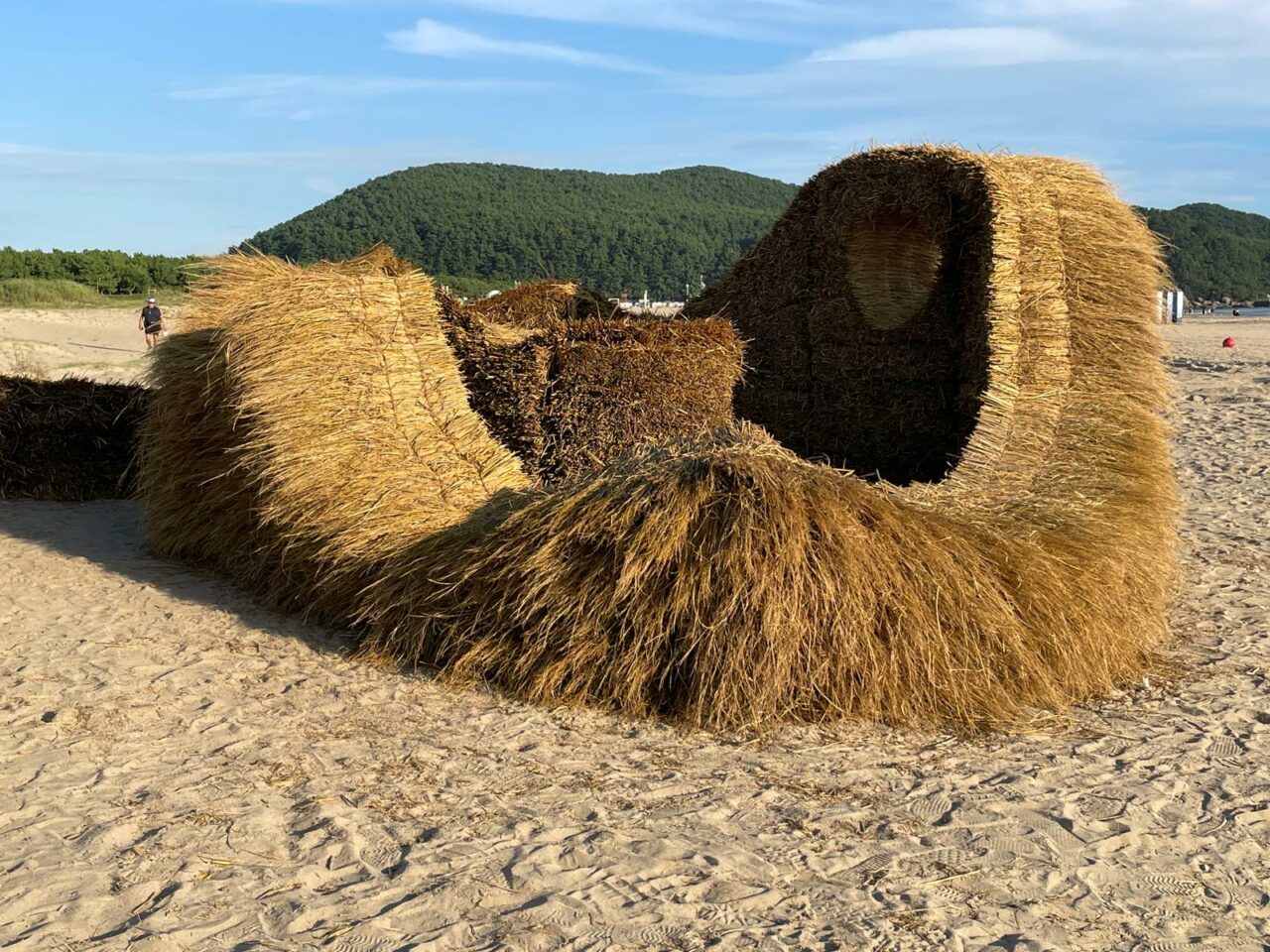
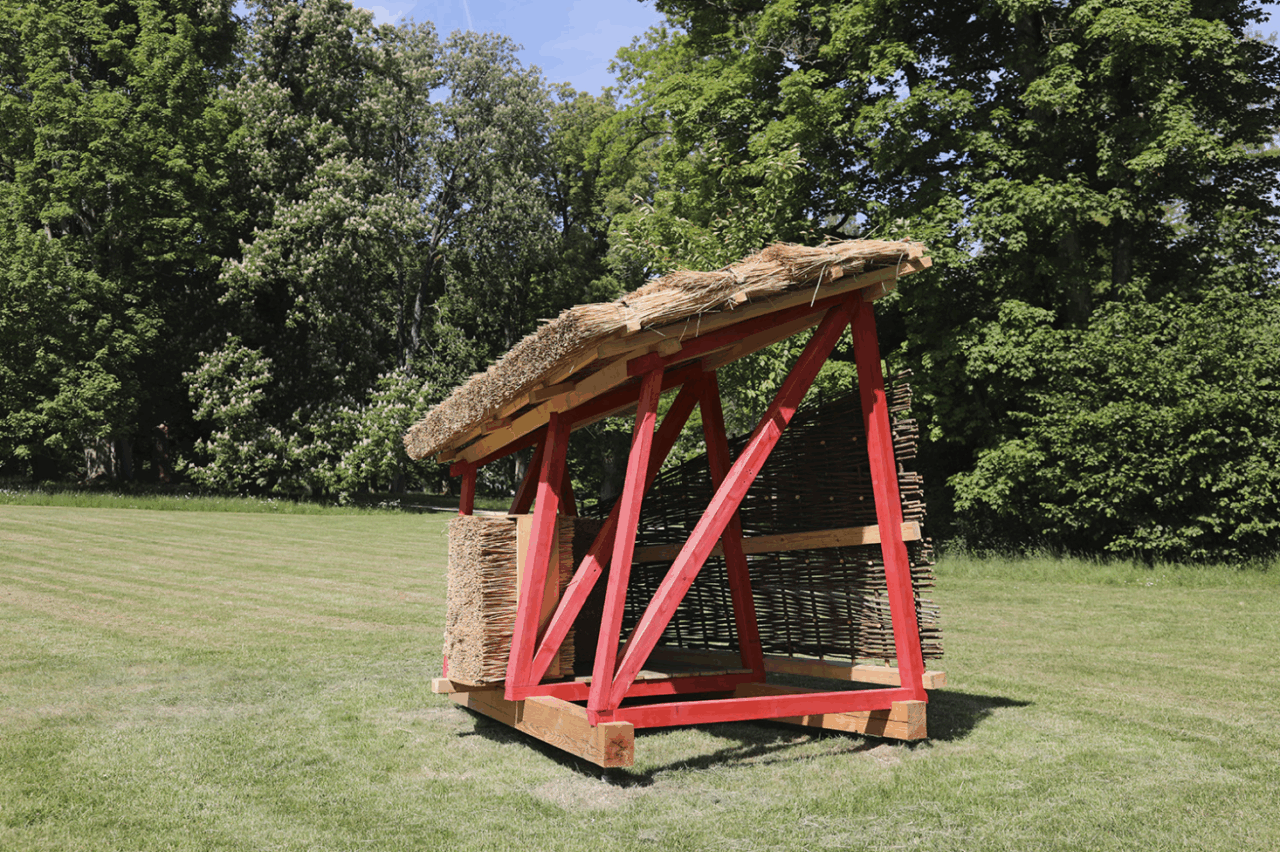
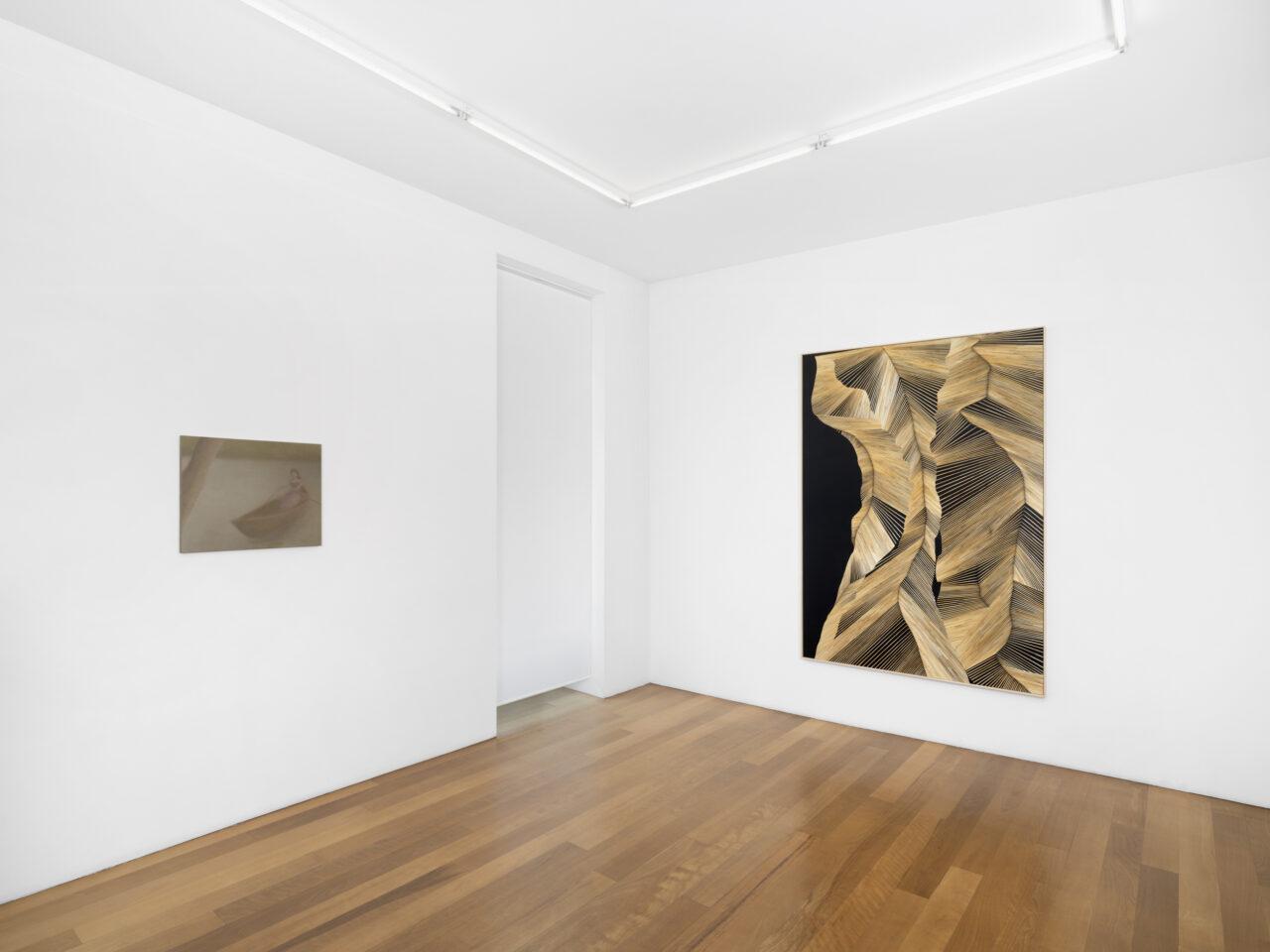
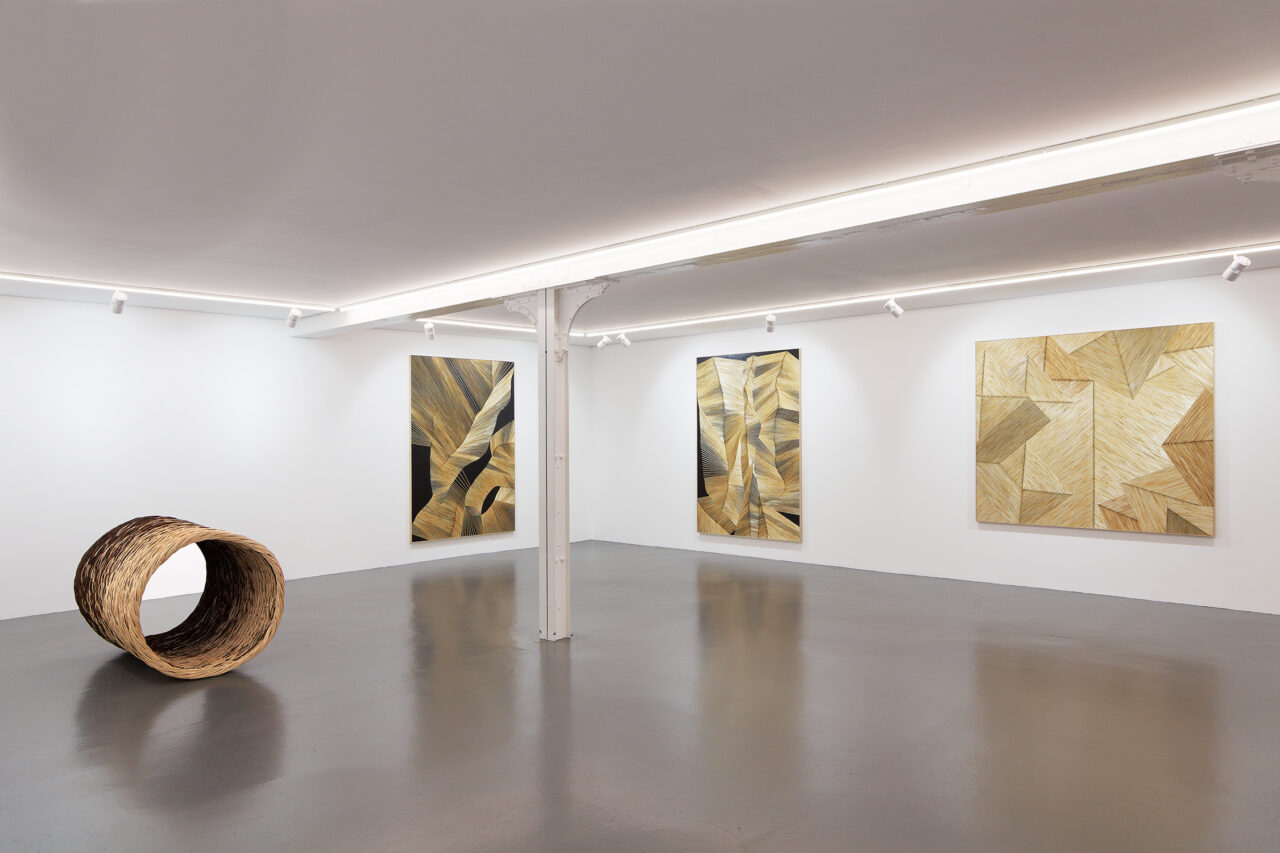
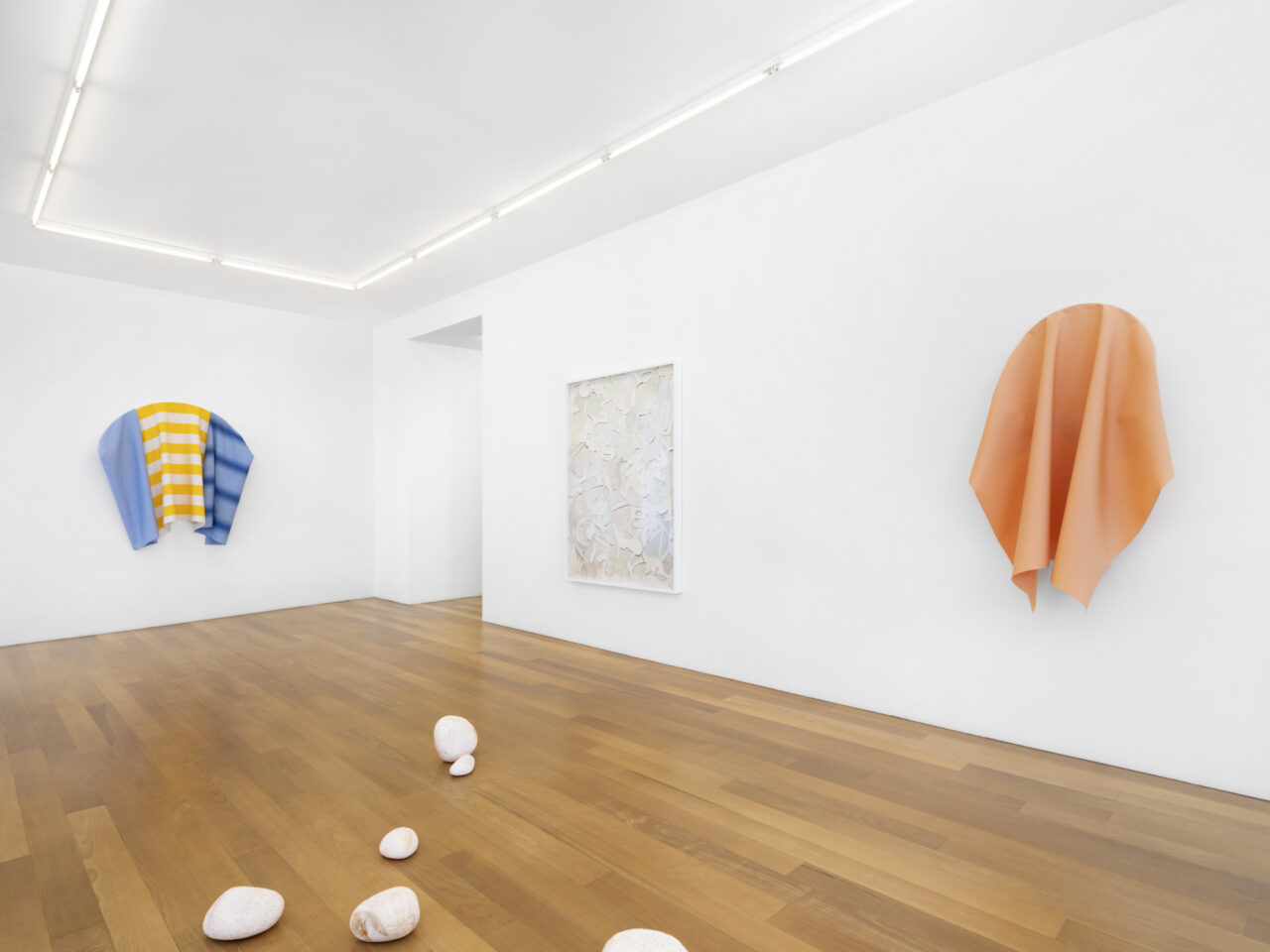
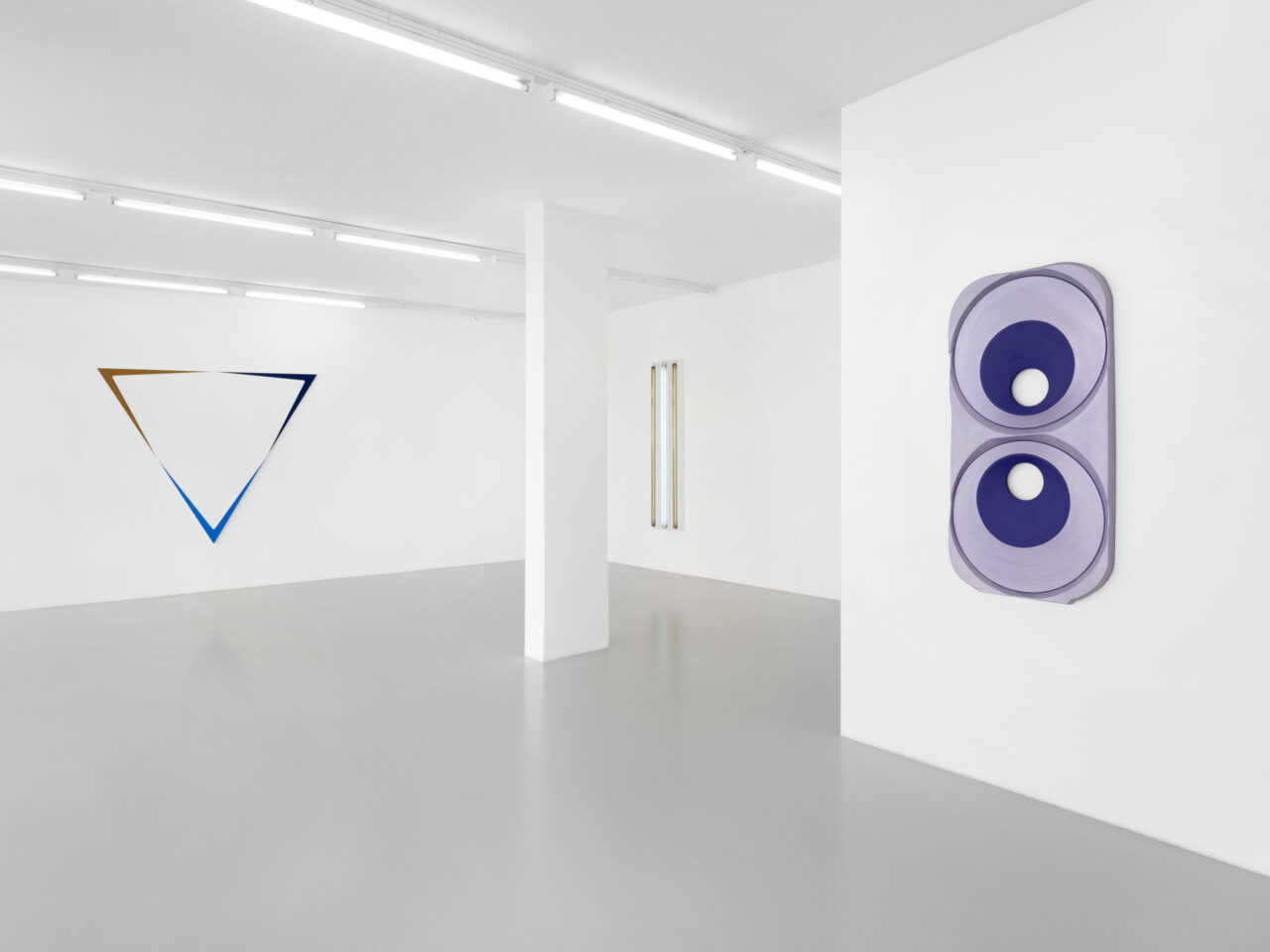
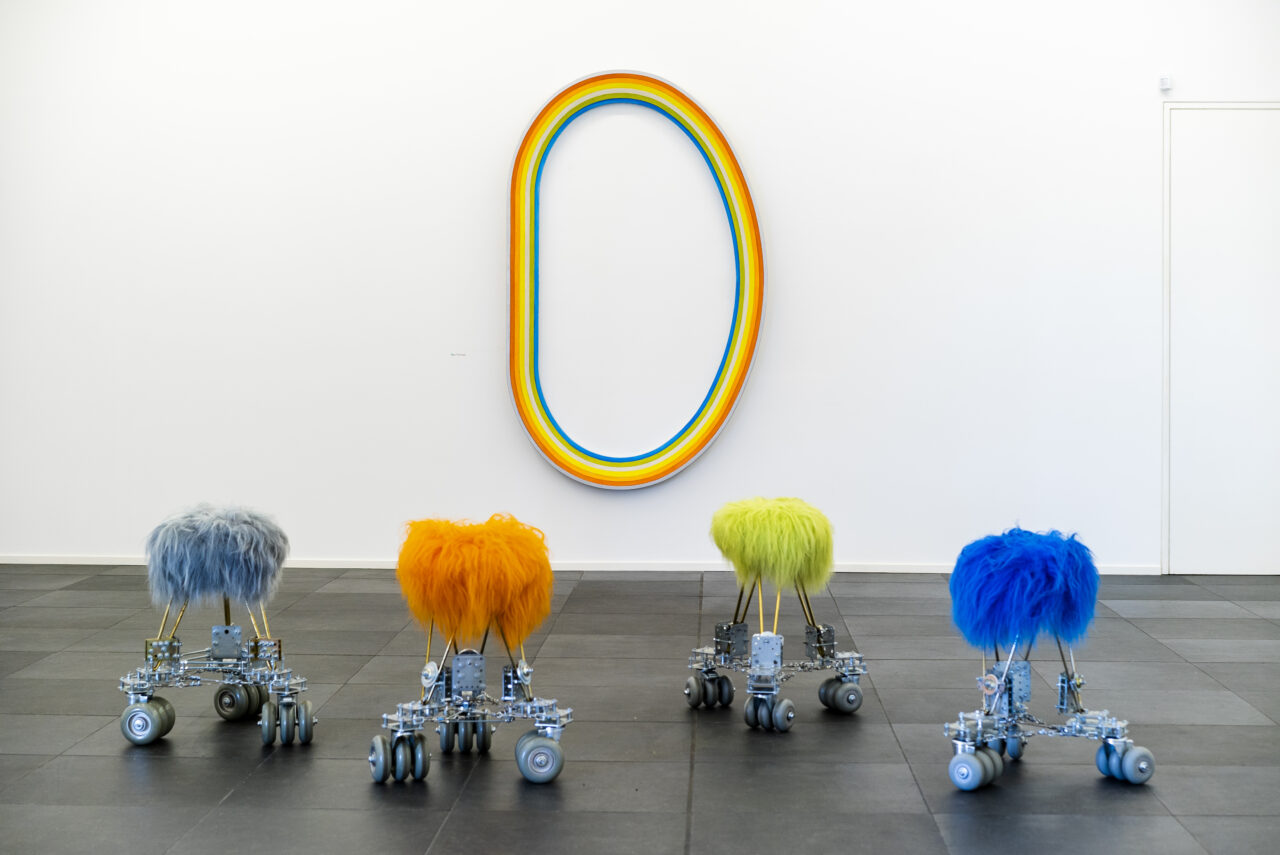
For his second solo exhibition in Geneva, Xippas presents Une réalité insolite, an exhibition by Olaf Holzapfel bringing together paintings and works made of straw. Through these bodies of work, the artist continues an inquiry he has pursued for several decades into the ways images constitute space and how matter, in turn, determines its forms.
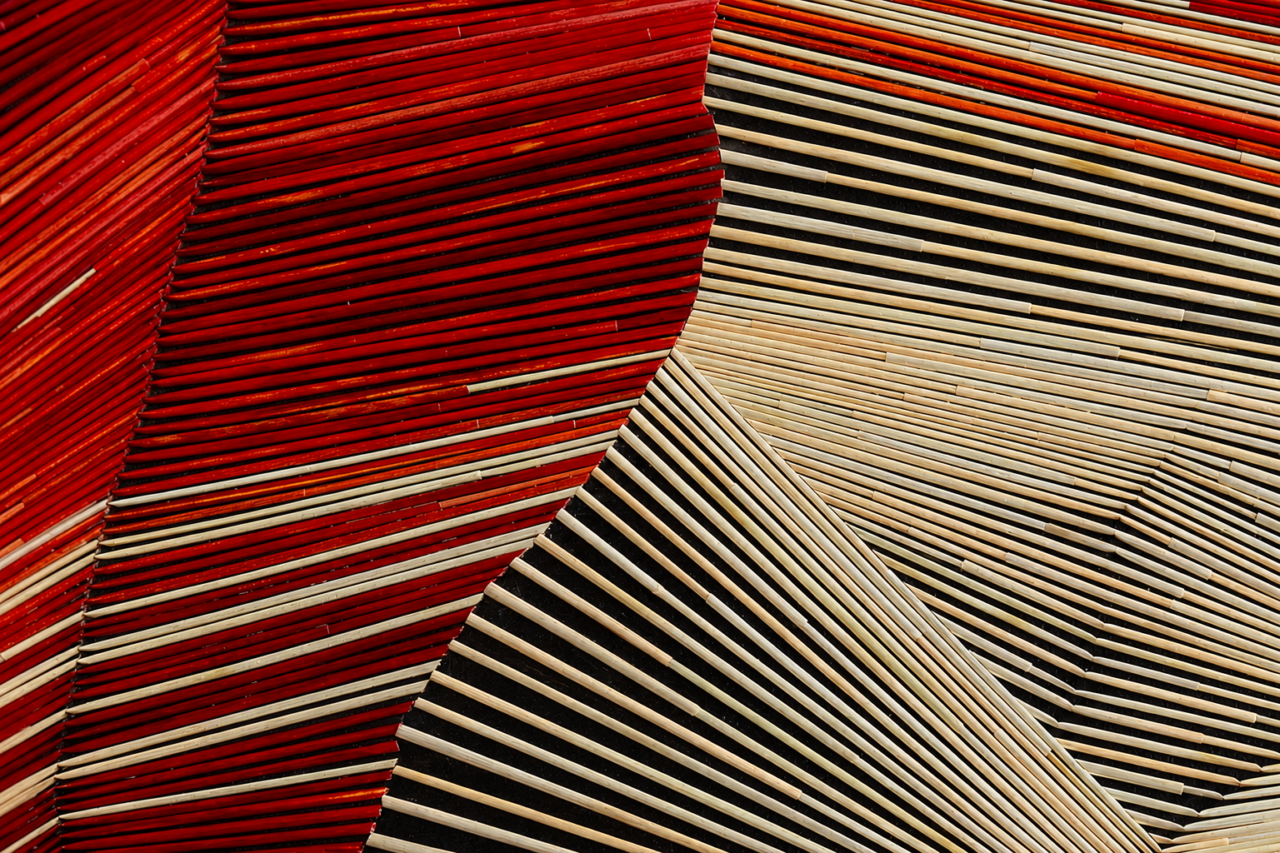
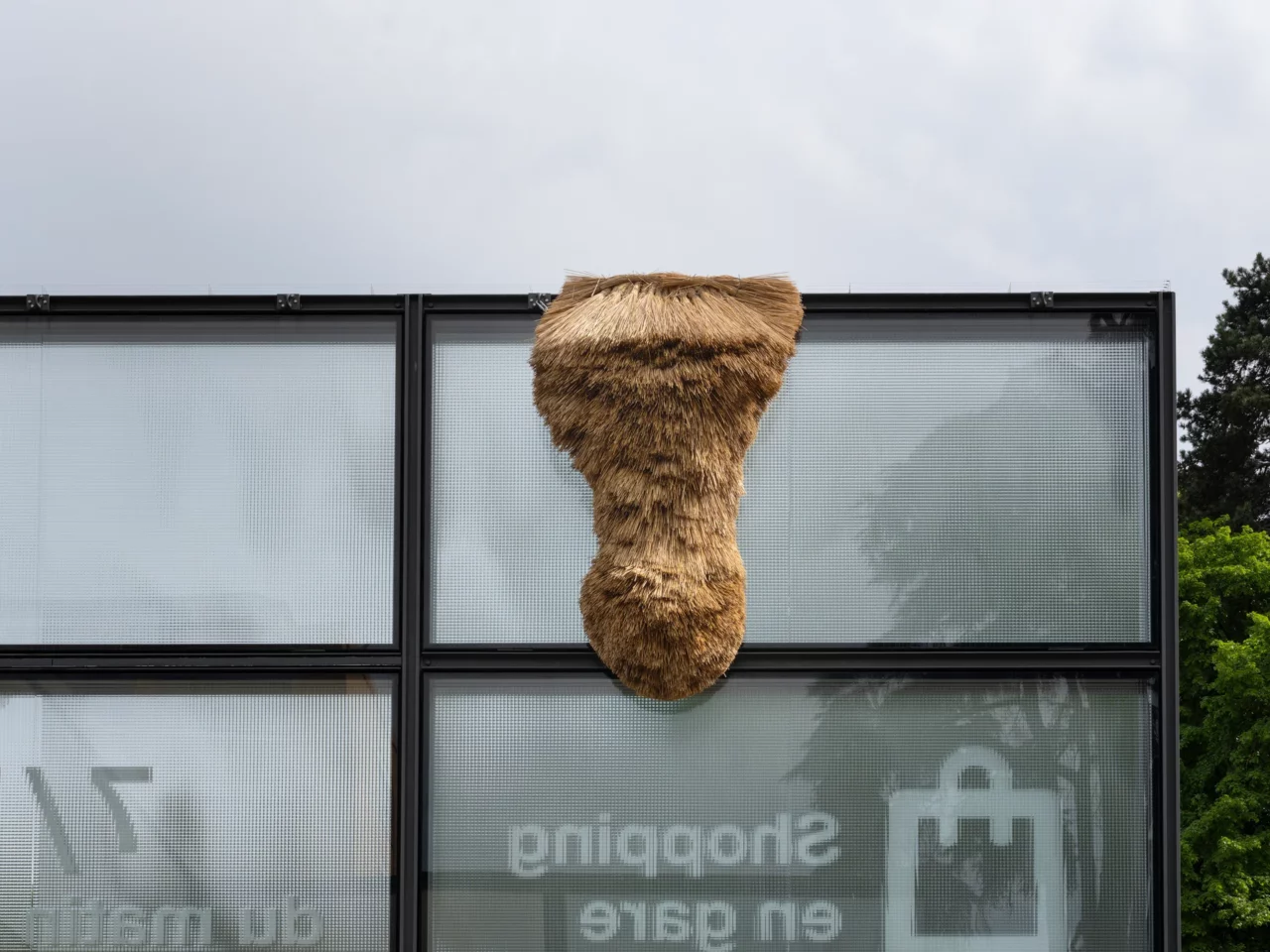
In Holzapfel’s work, the line is never simply drawn. It can be painted, calculated, assembled, or found within the very structure of a material. In his straw works, each stalk is simultaneously material and line. Its length, resistance, and irregularities directly contribute to the composition. Surfaces emerge that appear by turns flat and deep, abstract and almost architectural. The image does not represent a space located elsewhere: it materially produces it. This question also runs through the paintings presented in the exhibition. Since his earliest works, Holzapfel has been interested in the transformations of our perception brought about by the emergence of digital spaces, and in the ways a virtual reality can find physical expression within the image. Rather than opposing the digital and the material, he considers these two realms as different ways of organizing and perceiving space. The volumes, lines, thresholds, and depths that structure his paintings thus find an extension in works made from plant fibres.
Bringing together several periods of his practice, Une réalité insolite reveals the continuity of this research beyond the diversity of materials and techniques. Straw occupies a particular place within it. A familiar agricultural material, originating in a cycle of growth before being transformed through harvesting and human labour, it carries within itself a measure, a direction, and a temporality. Holzapfel does not use it as a symbol of a return to an allegedly untouched nature. Instead, he is interested in the techniques developed to transform natural materials, the knowledge transmitted through them, and the ways in which nature and culture mutually shape one another. In his work, traditional craftsmanship and digital design are therefore not opposing poles, but two systems of knowledge capable of converging within a single form.
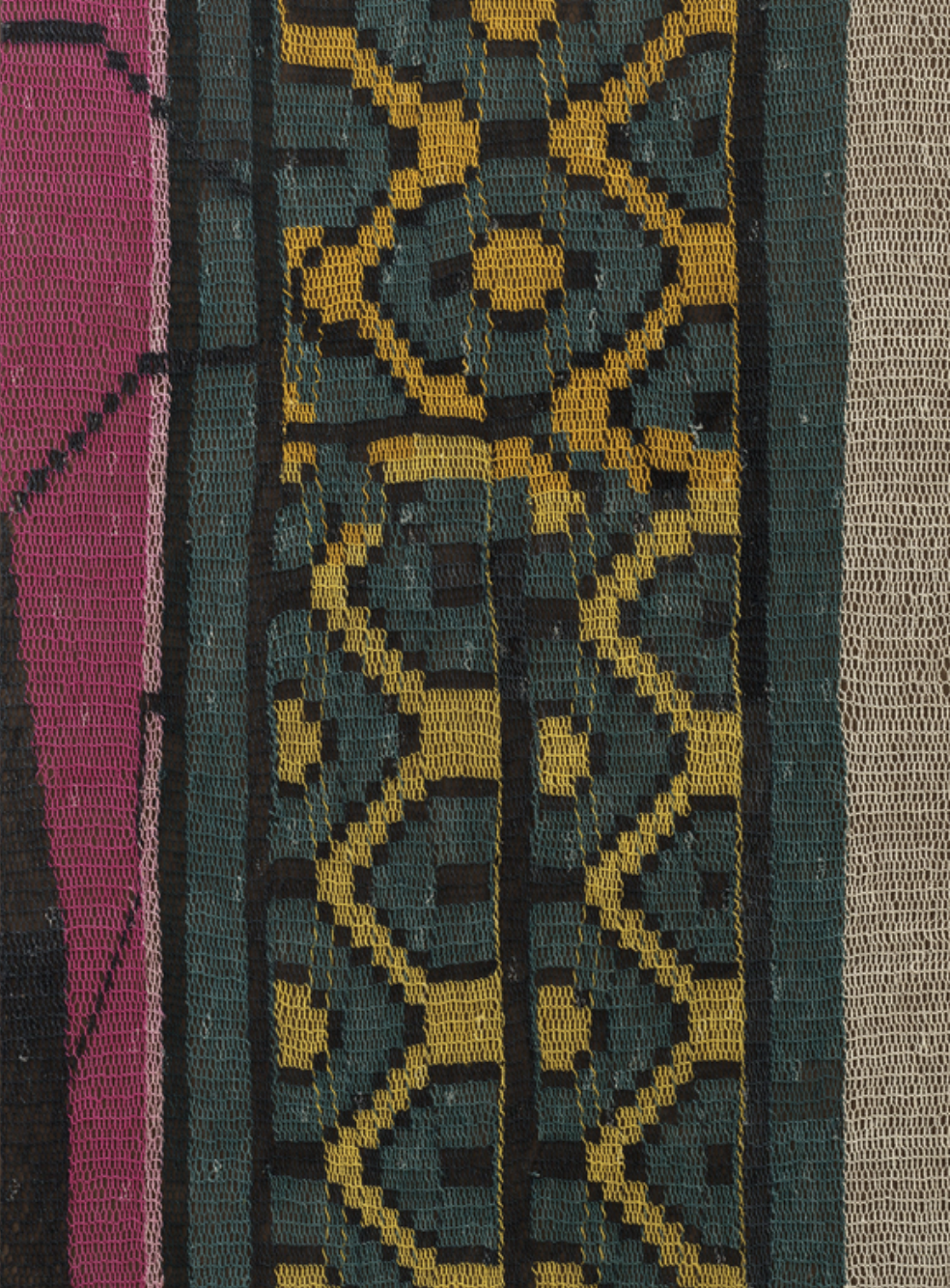
In the new works conceived for the exhibition, this reflection continues through the motifs of the fold, the loop, and the ribbon. The line ceases to be a simple trajectory: it folds back, returns upon itself, and transforms the surface into space. These forms evoke an older genealogy of textiles and ornament, which were addressed, for example, in Sigmar Polke’s “Dürer Loops”, created in 1986 from a motif borrowed from Albrecht Dürer. The reference, however, does not function as a literal quotation. Rather, it allows Holzapfel to pose once again a question that runs throughout his work: how does a form circulate between different periods, techniques, and materials?
This circulation is essential to his practice. Wood, straw, reed, paint, and digital imagery do not represent separate worlds in Holzapfel’s work. They constitute different ways of experiencing the same reality, shaped by transitions between surface and volume, interior and exterior, human construction and organic growth. Une réalité insolite emerges precisely from this shift in perspective: making perceptible, within what is familiar to us, the material, technical, and cultural structures that organize our experience of space.