Opening February 7, 2026 at 11 am
Curated by Yannick Mercoyrol
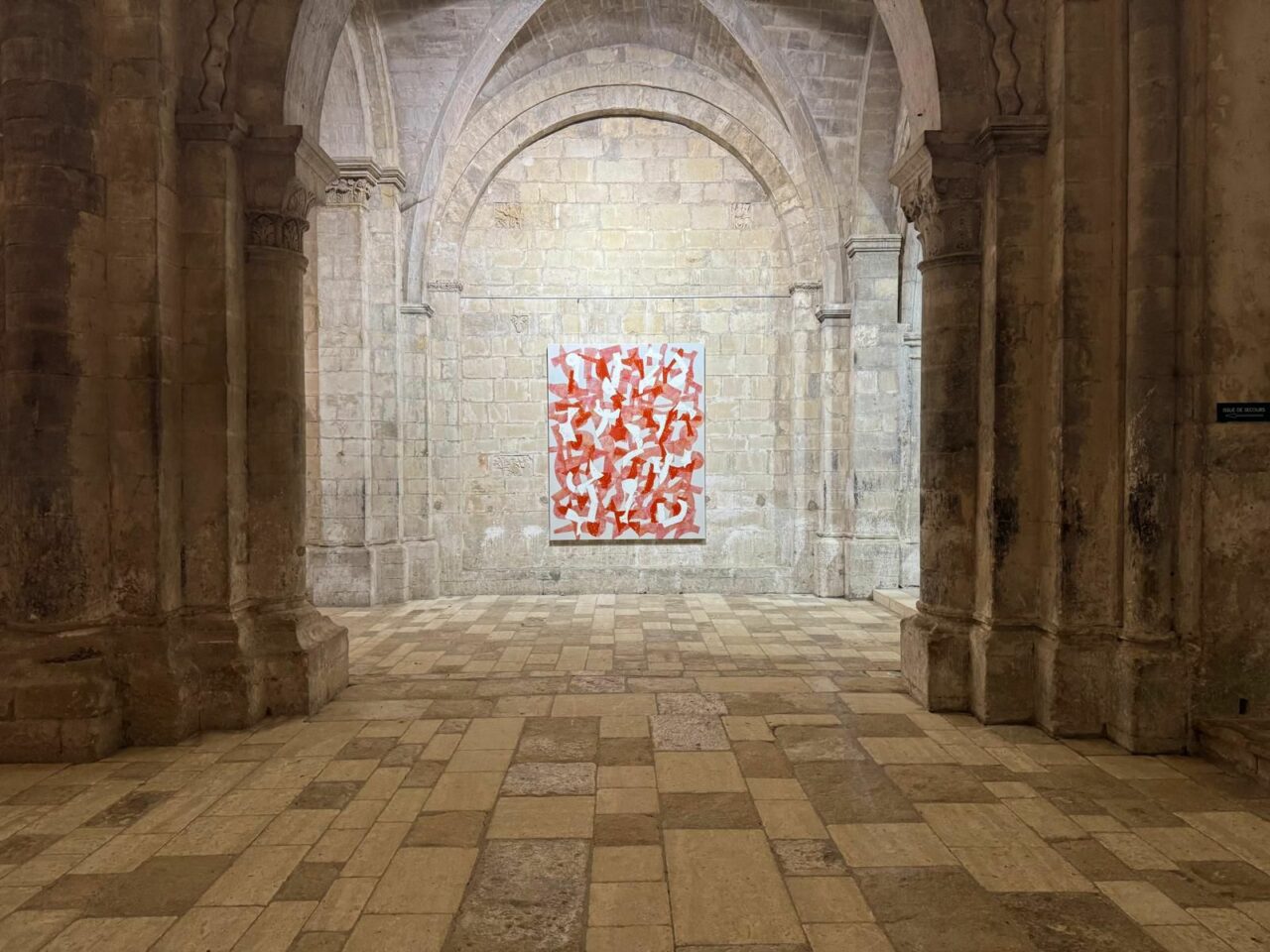
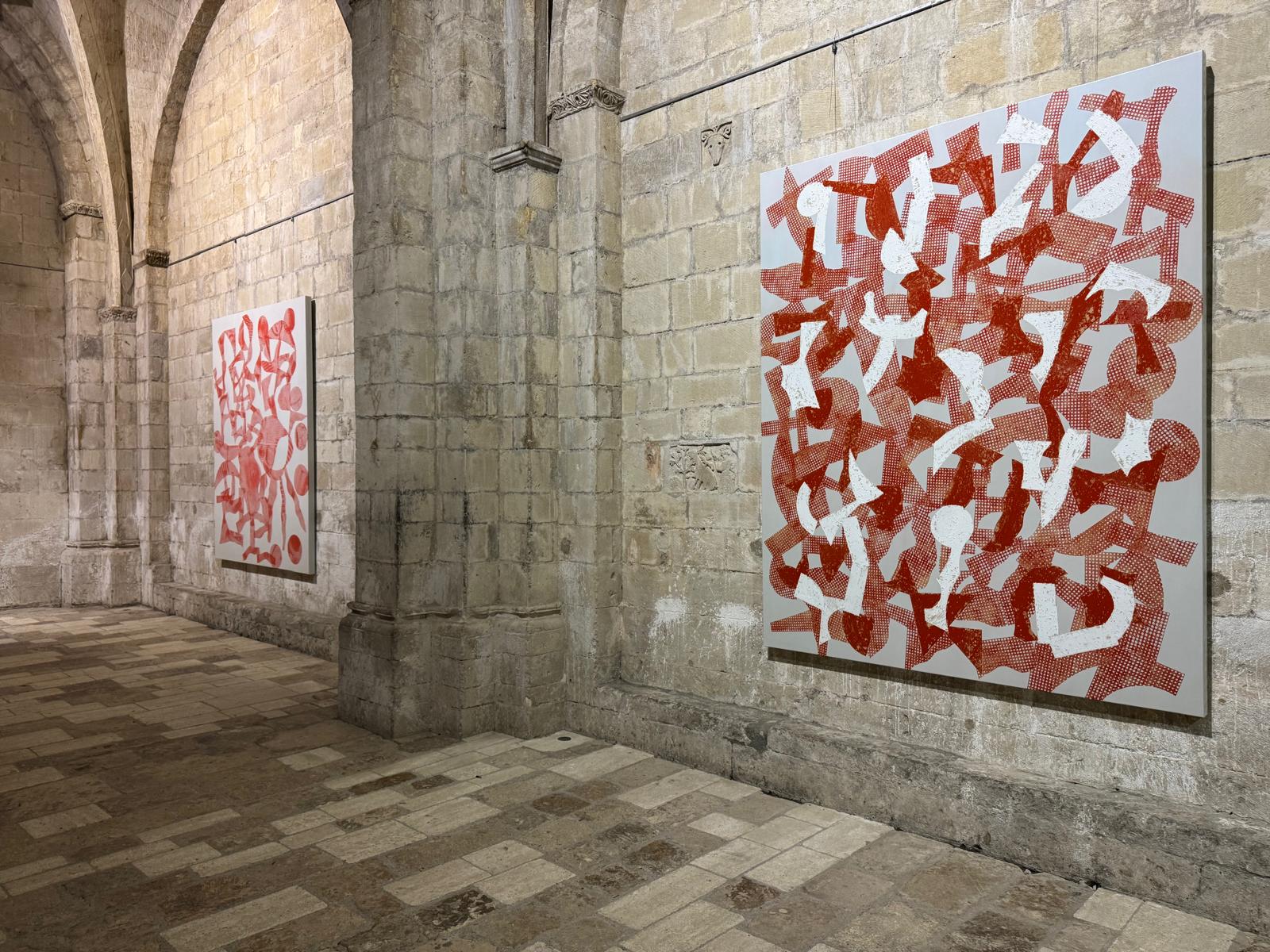
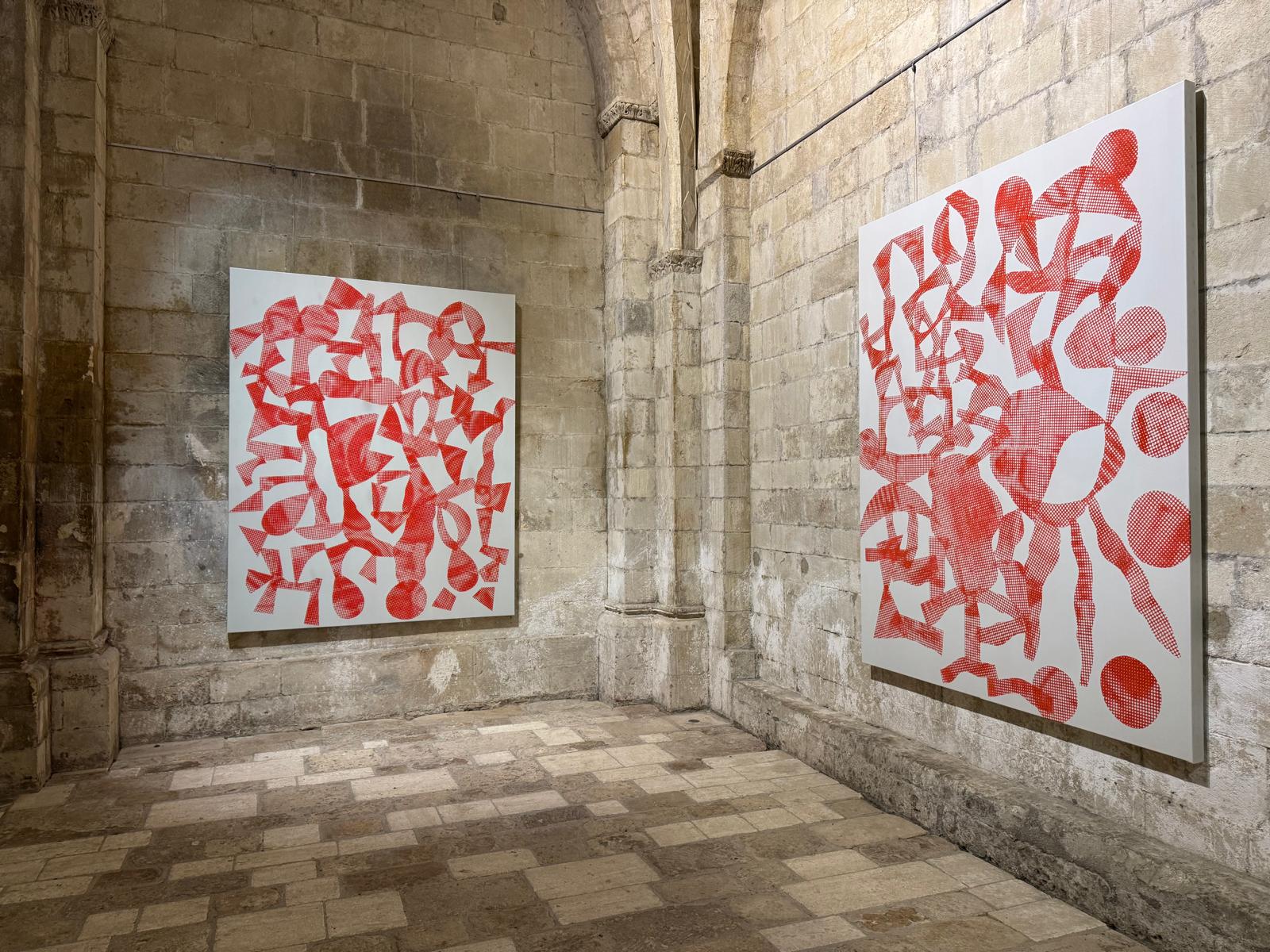
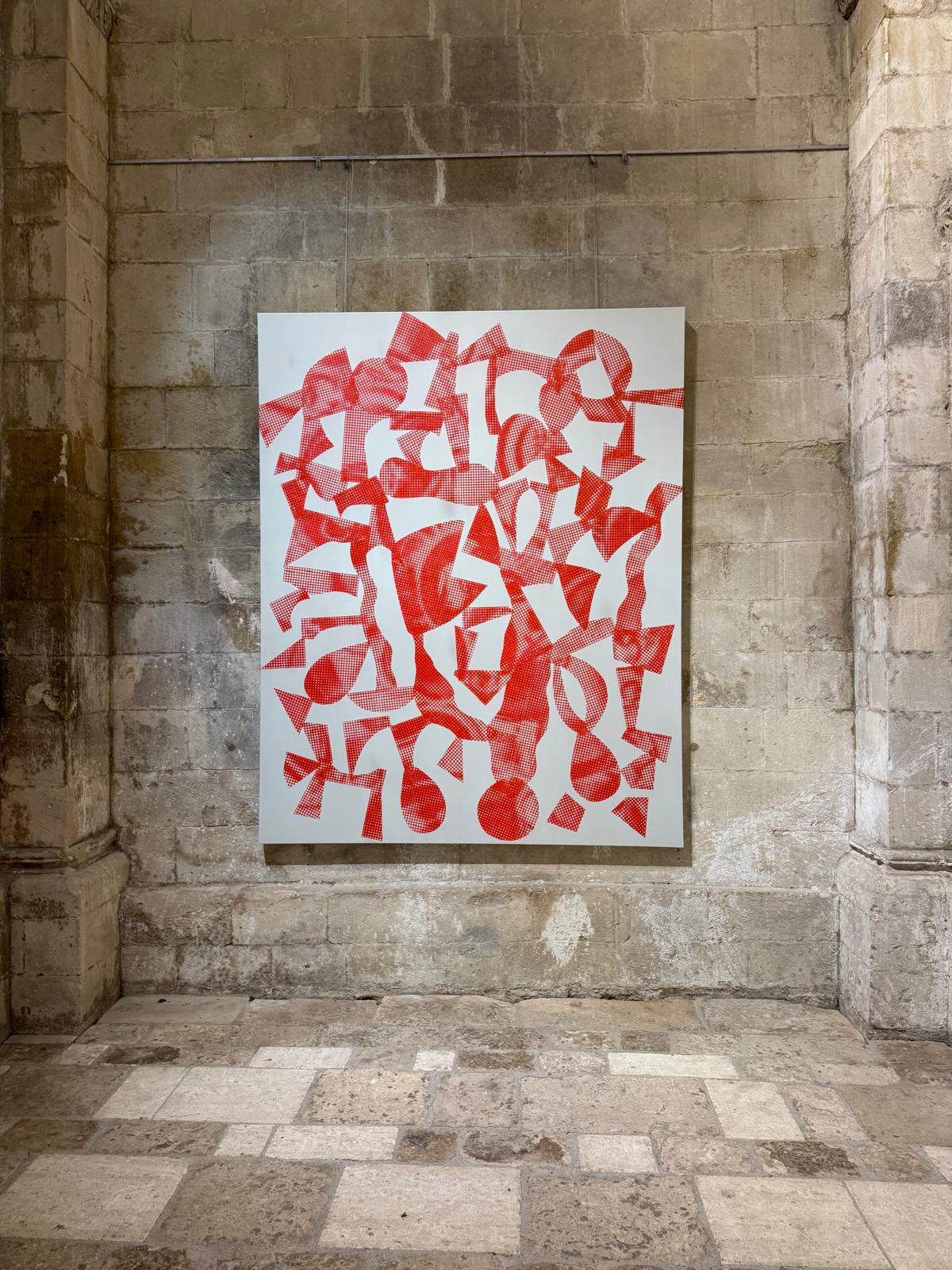
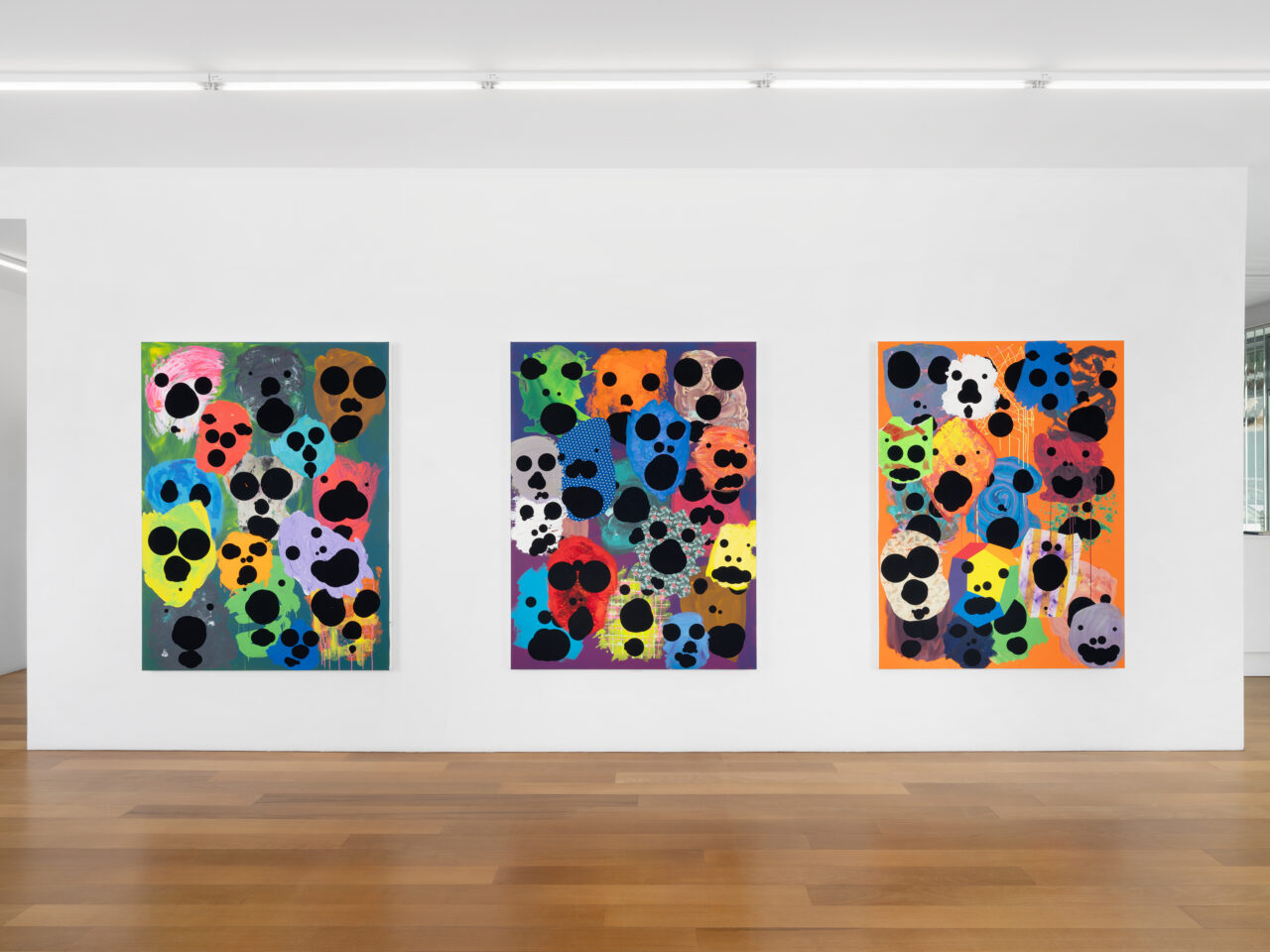
The Salagon Museum in the Provence region in Southern France dedicates a personal exhibition to Yves Zurstrassen, featuring his previously unseen paintings, presented in the Romanesque church. Created specifically for this occasion, the works were conceived in close dialogue with the church’s architecture and with the stained-glass windows designed by Aurélie Nemours in 1998.
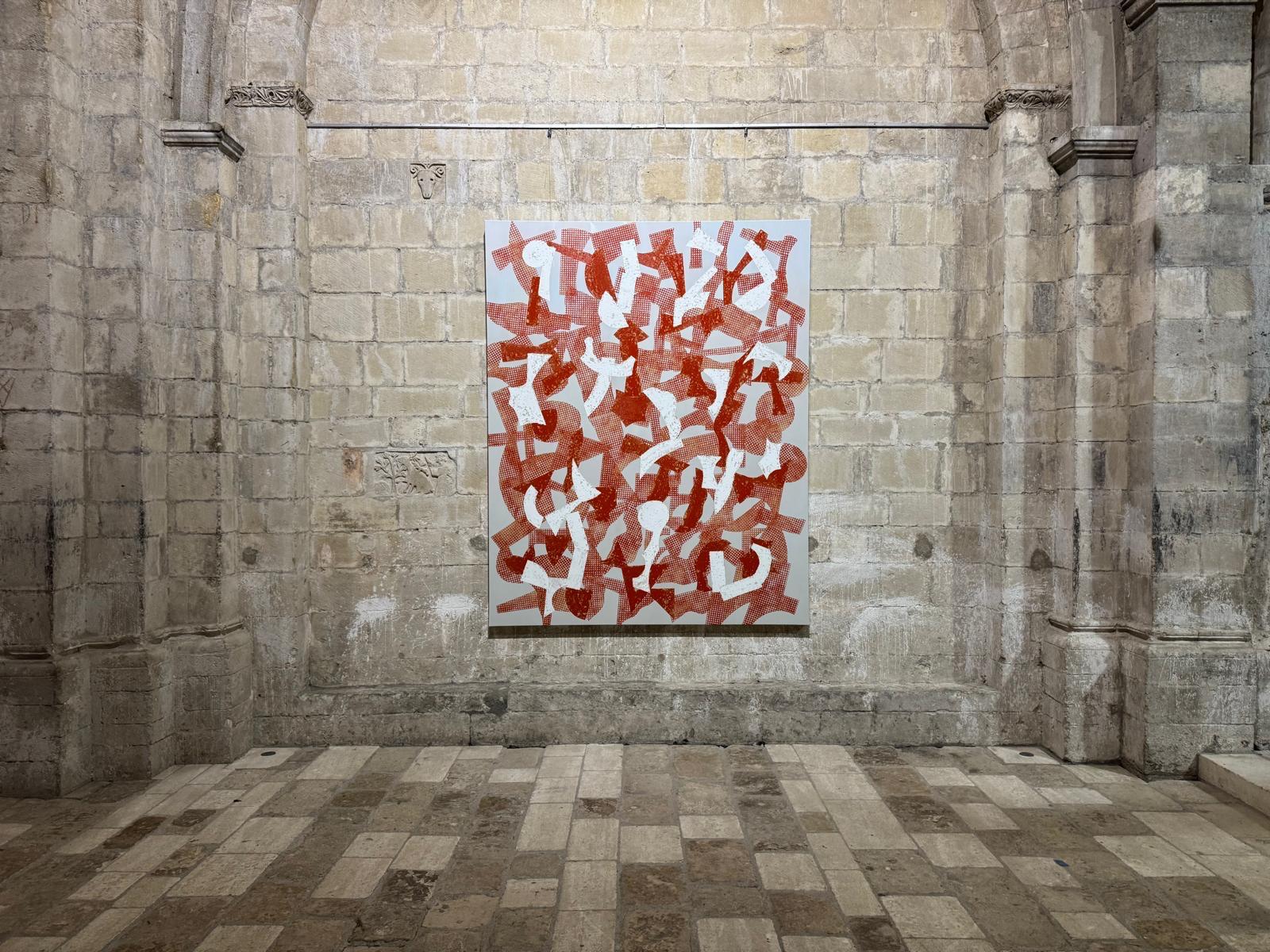
After spending a long time absorbing the atmosphere of the site, the painter chose to work with vertical forms and rhythms that set color dancing across his paintings. By repeating sequences and varying their arrangements and formats, he generates a light and a sensory experience that differ from—yet complement—those emanating from the stained-glass windows. Red quickly asserted itself as the sole tonal focus of his proposal; however, he deliberately distanced himself from the selenium red used by Aurélie Nemours, preferring to establish a less literal resonance. As a master colorist, he sought out a red of singular tonality that embodies a personal response—a sidestep that functions simultaneously as rupture and dialogue, and even as an homage to the radical nature of the stained glass.
Although Nemours’s abstraction is not that of Yves Zurstrassen, they share two major characteristics: rhythm and emptiness, both of which they organize in series, with equal freedom, yet within frameworks strictly defined by method, refusals, and rigorous processes of elaboration. For Zurstrassen, this compositional rigor relies on the use of stencils: cut pieces of newspaper are glued onto the canvas, covered with paint, and then carefully removed at the end of the painting process, revealing areas of “reserve.” As a result, what appears to the viewer as the surface of the painting—here, the multiple red forms—is in fact its underlying ground.
The subtle and energetic art of Yves Zurstrassen reveals the emotion of forms—that is, their movement, or, if one prefers, their music, which always accompanies the painter in his studio. These freely unfolding forms signify nothing in themselves, serving instead to convey a sense of sensorial joy to the viewer.