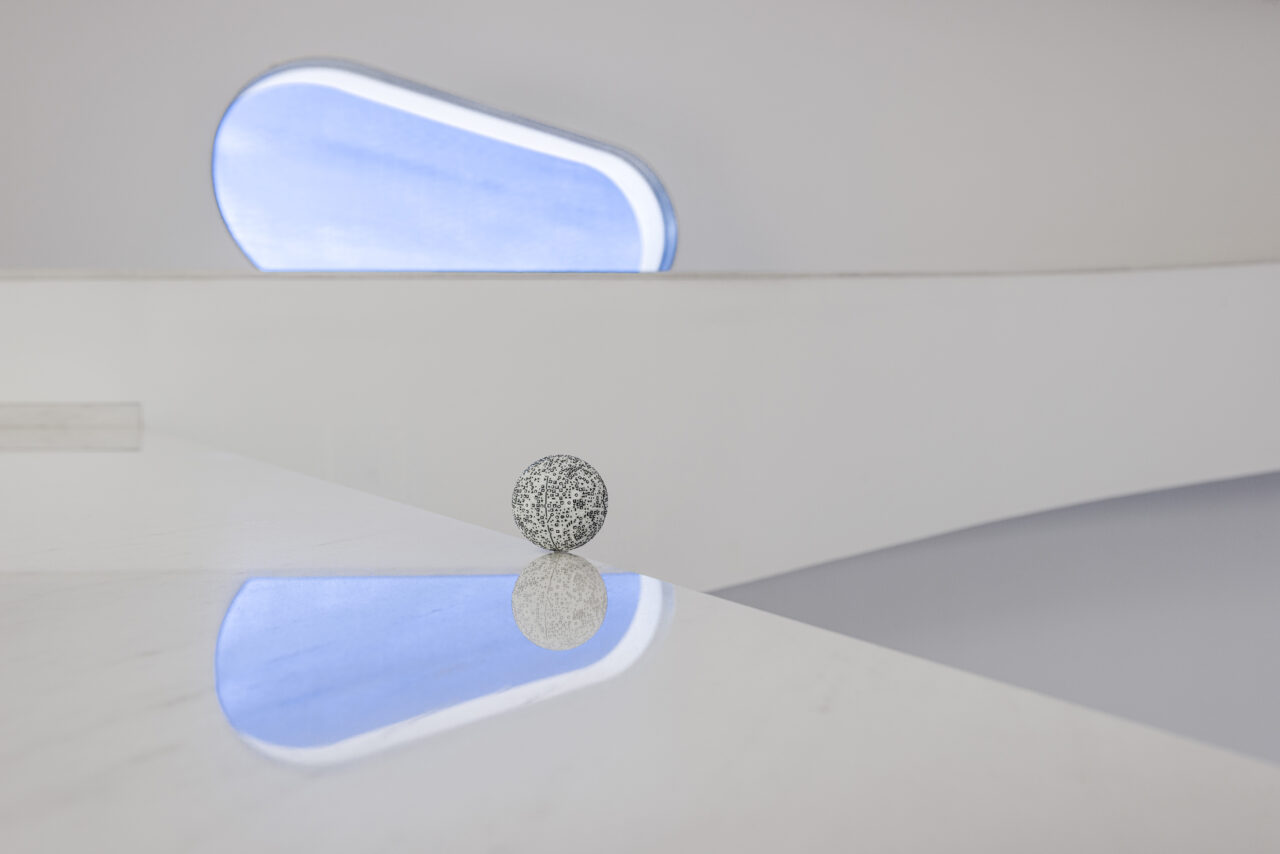
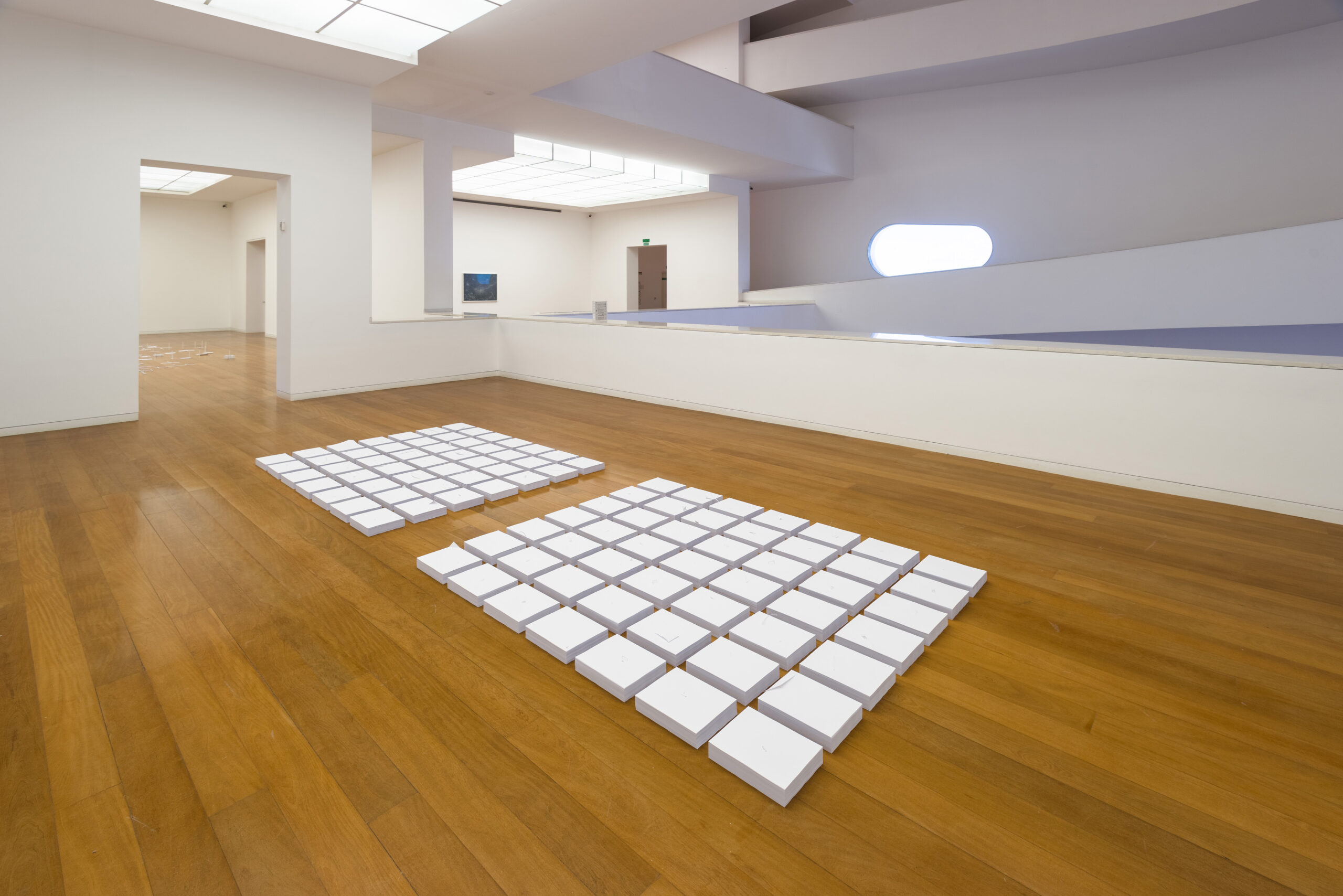
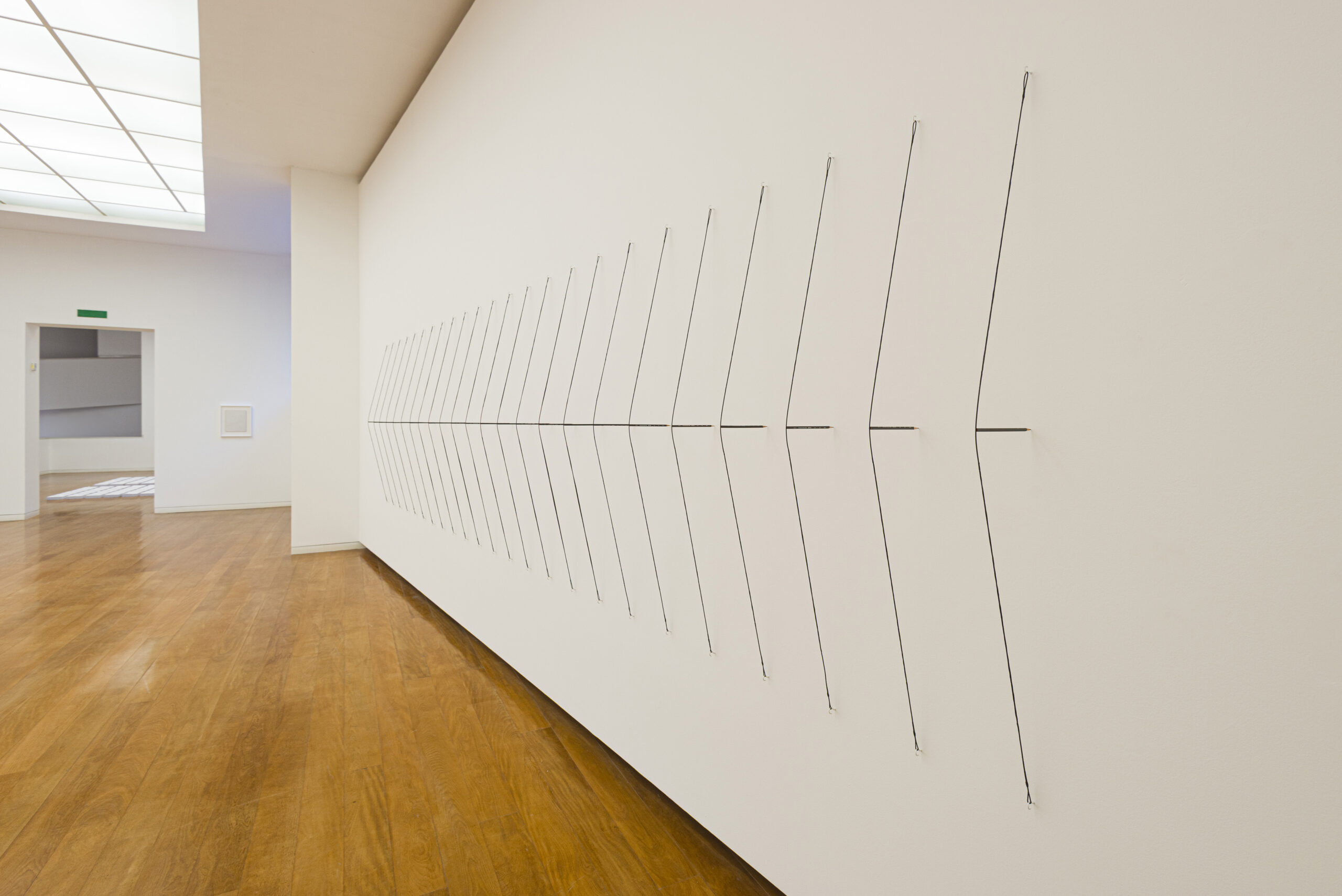
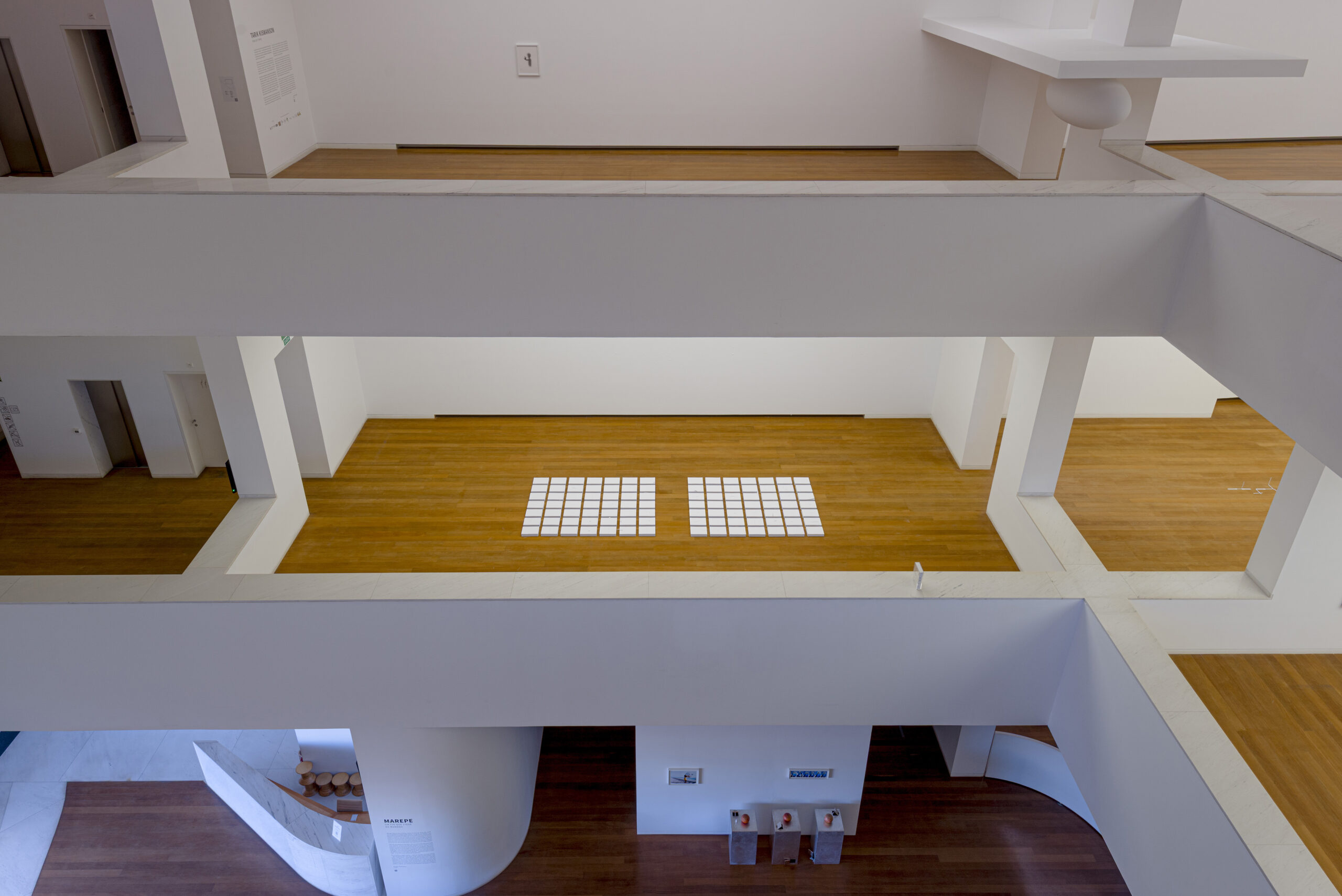
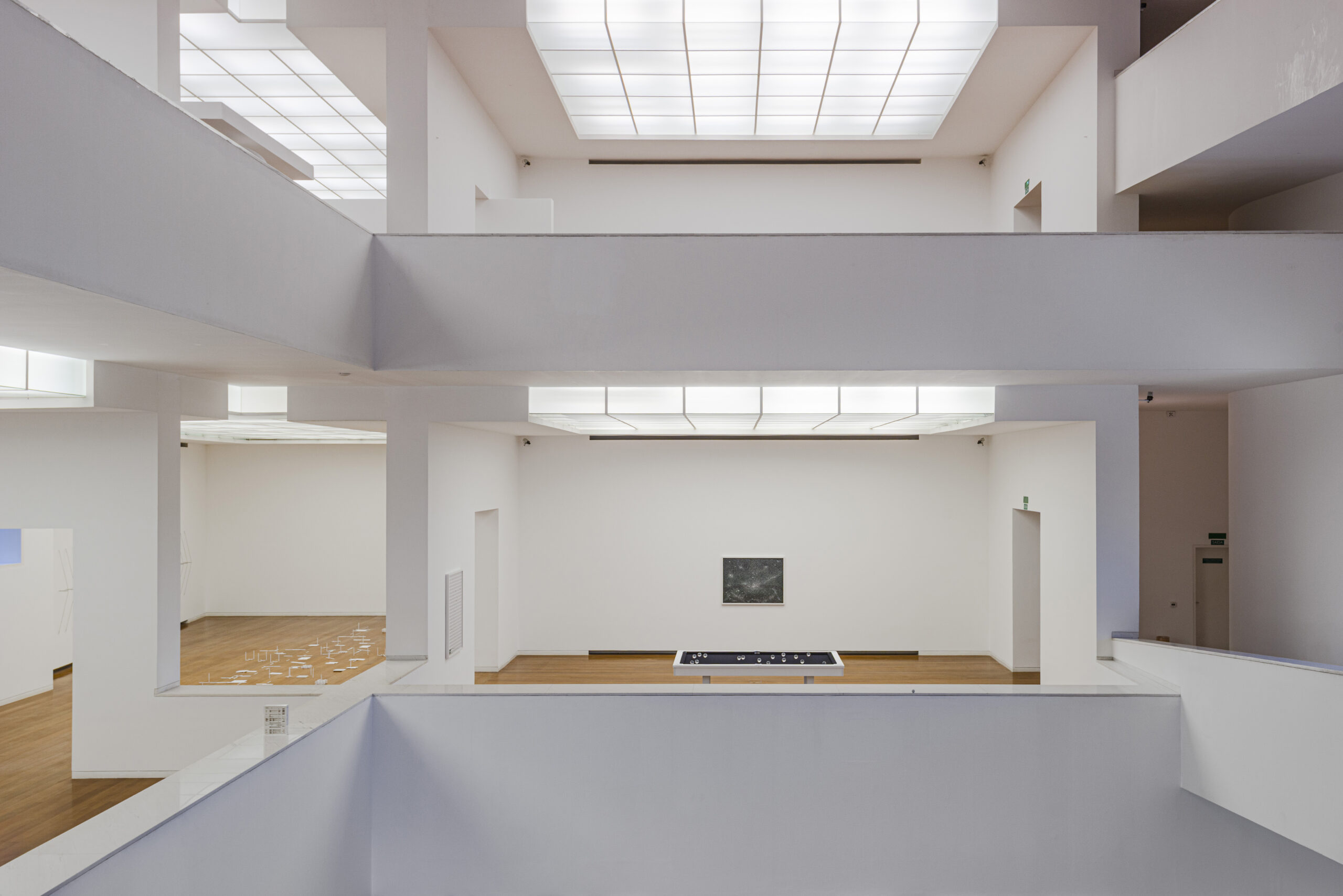
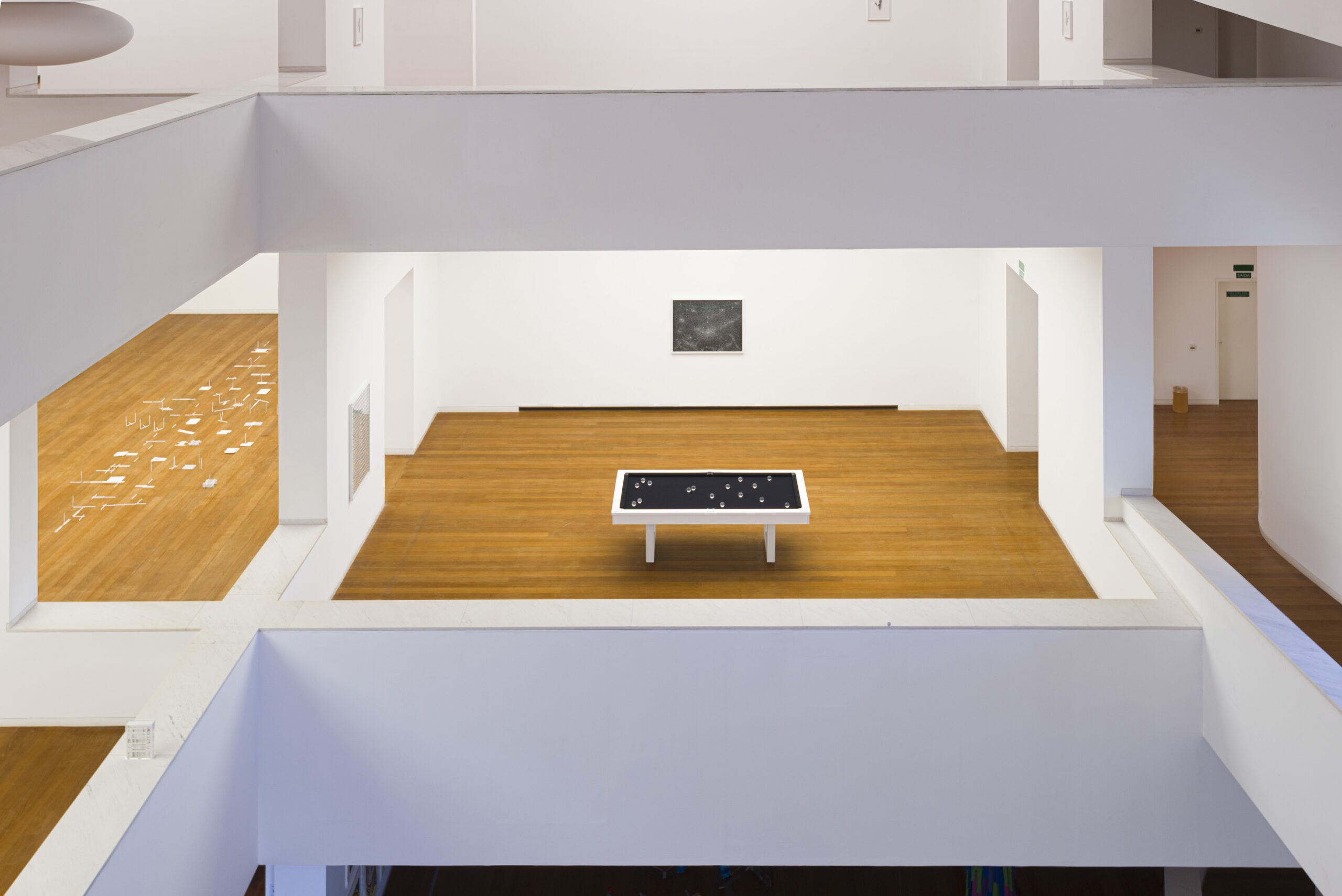
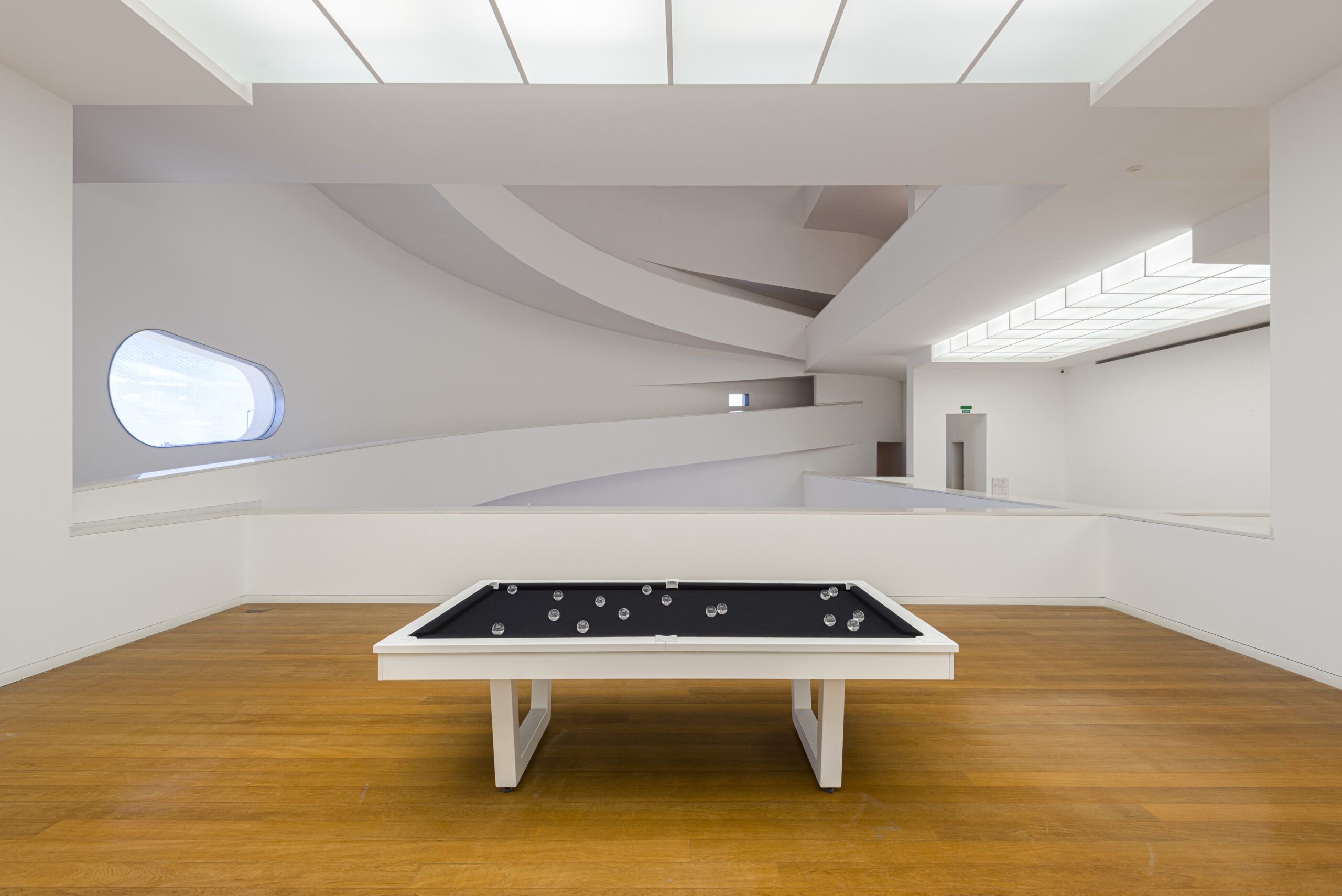
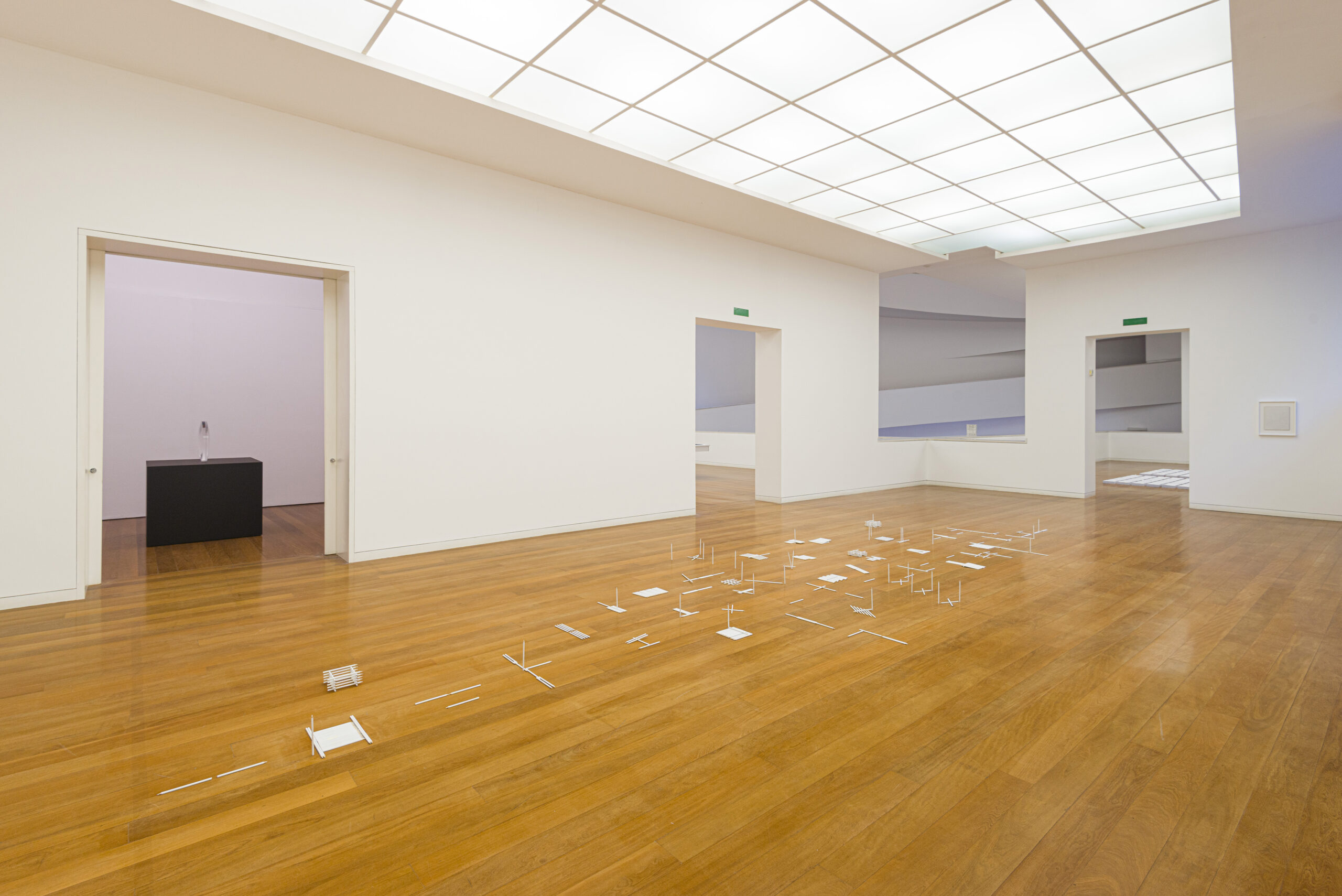
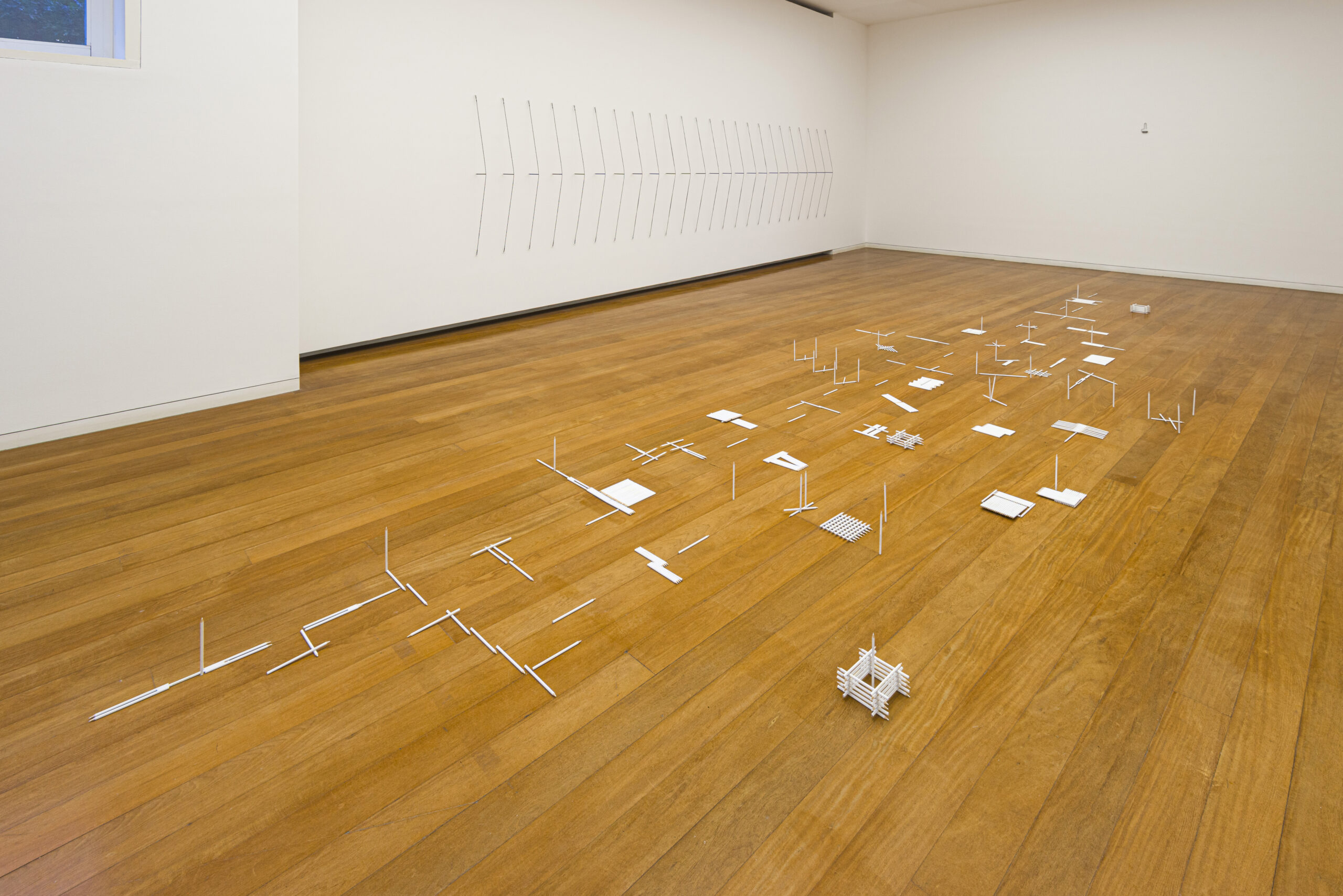
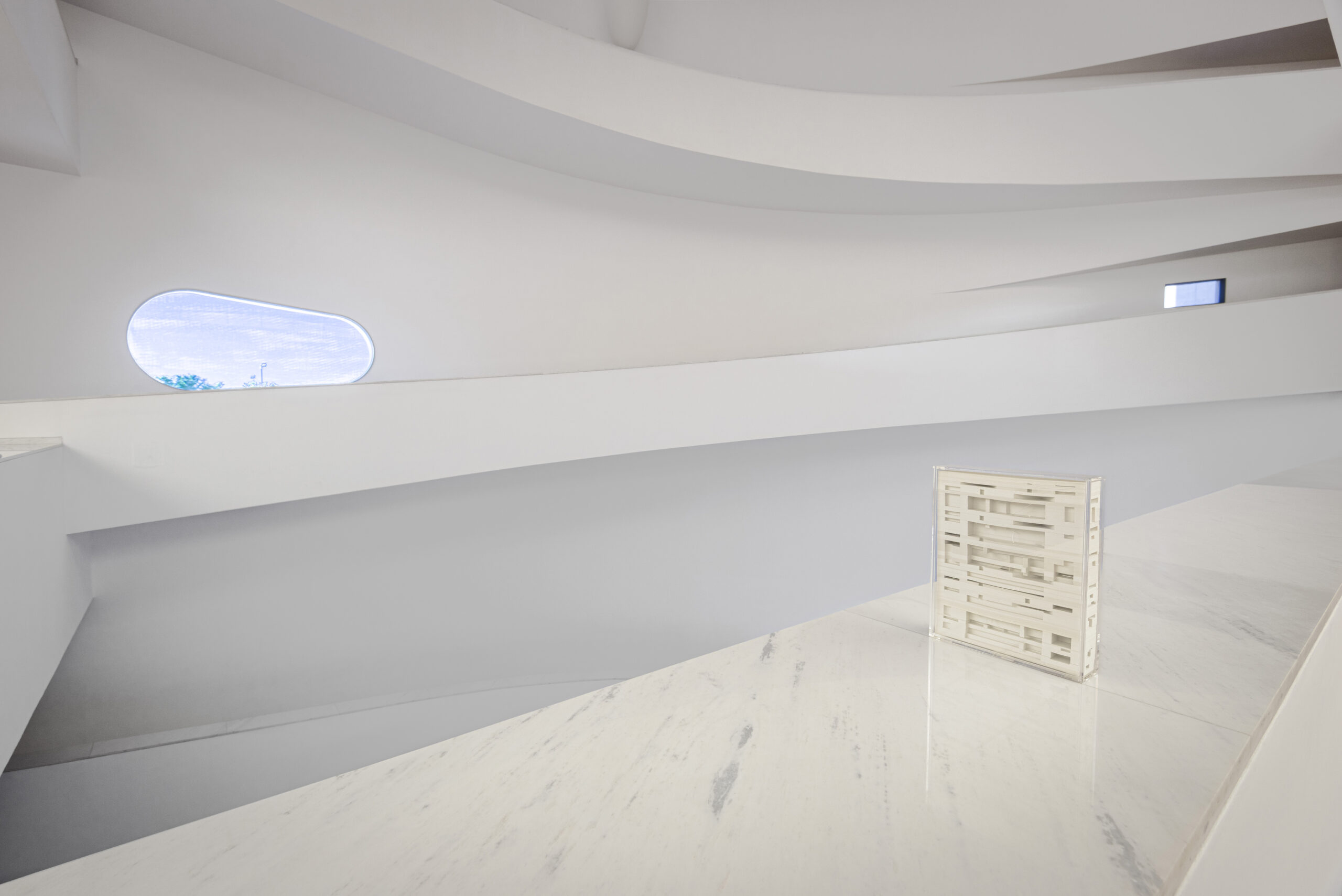
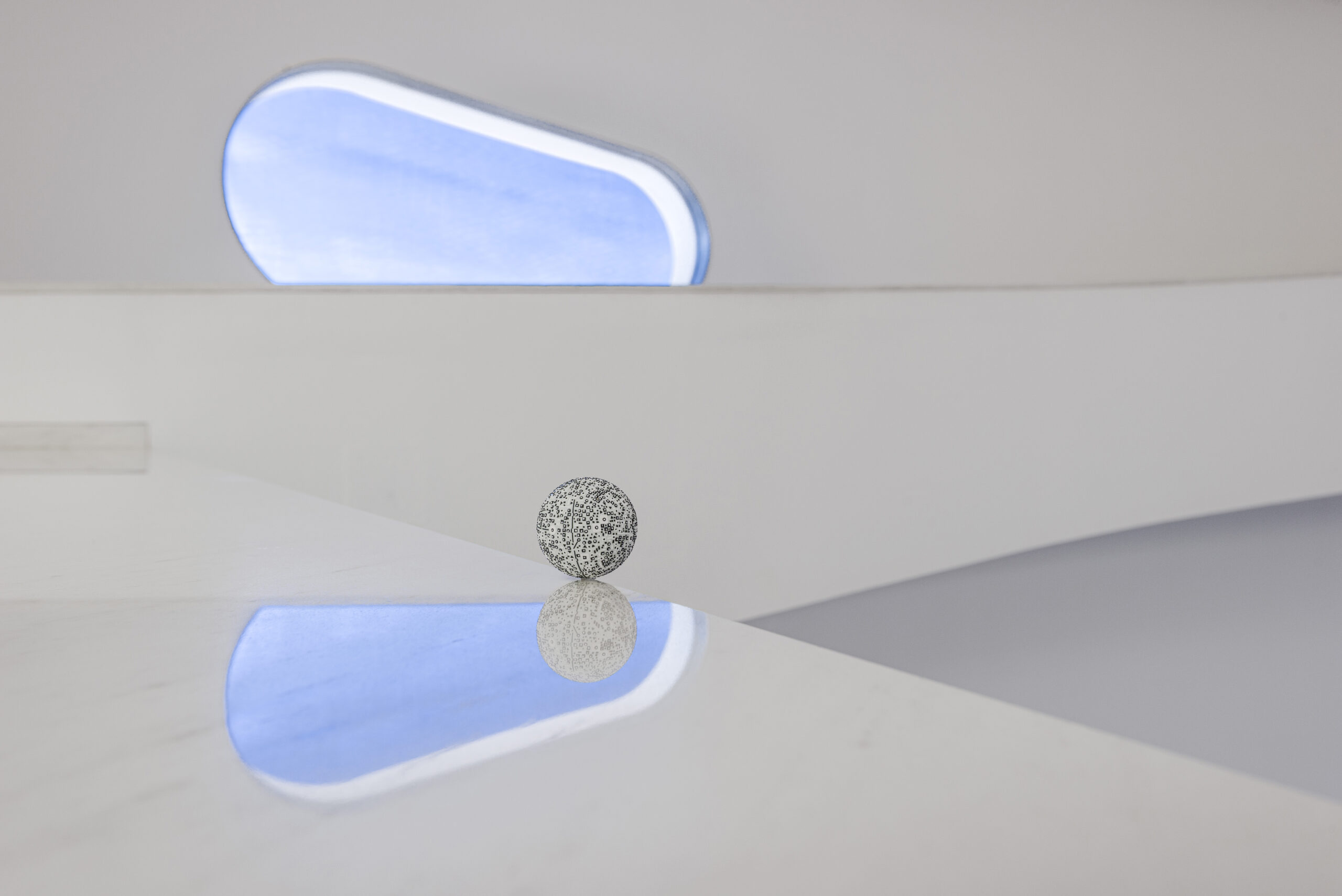
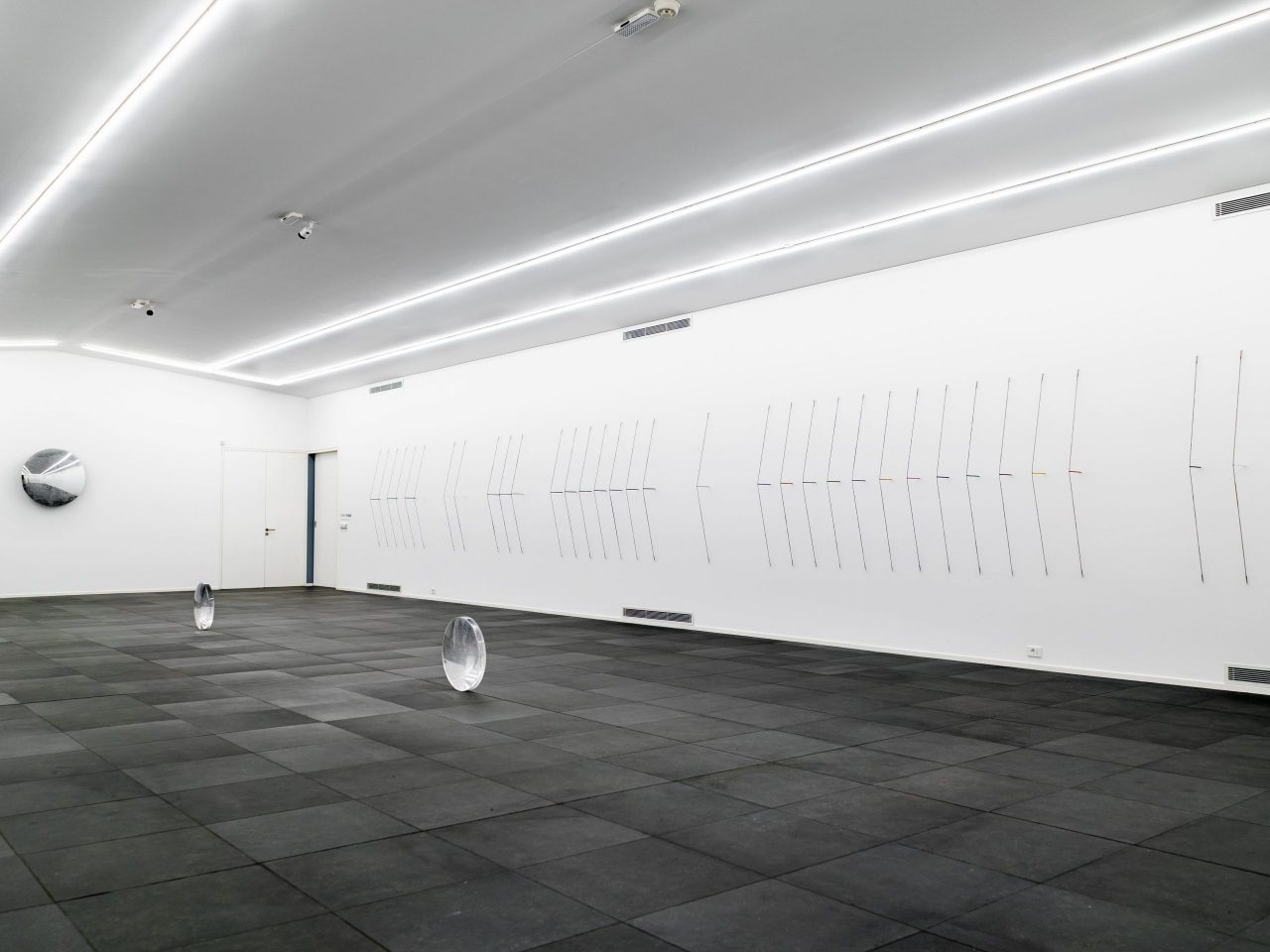
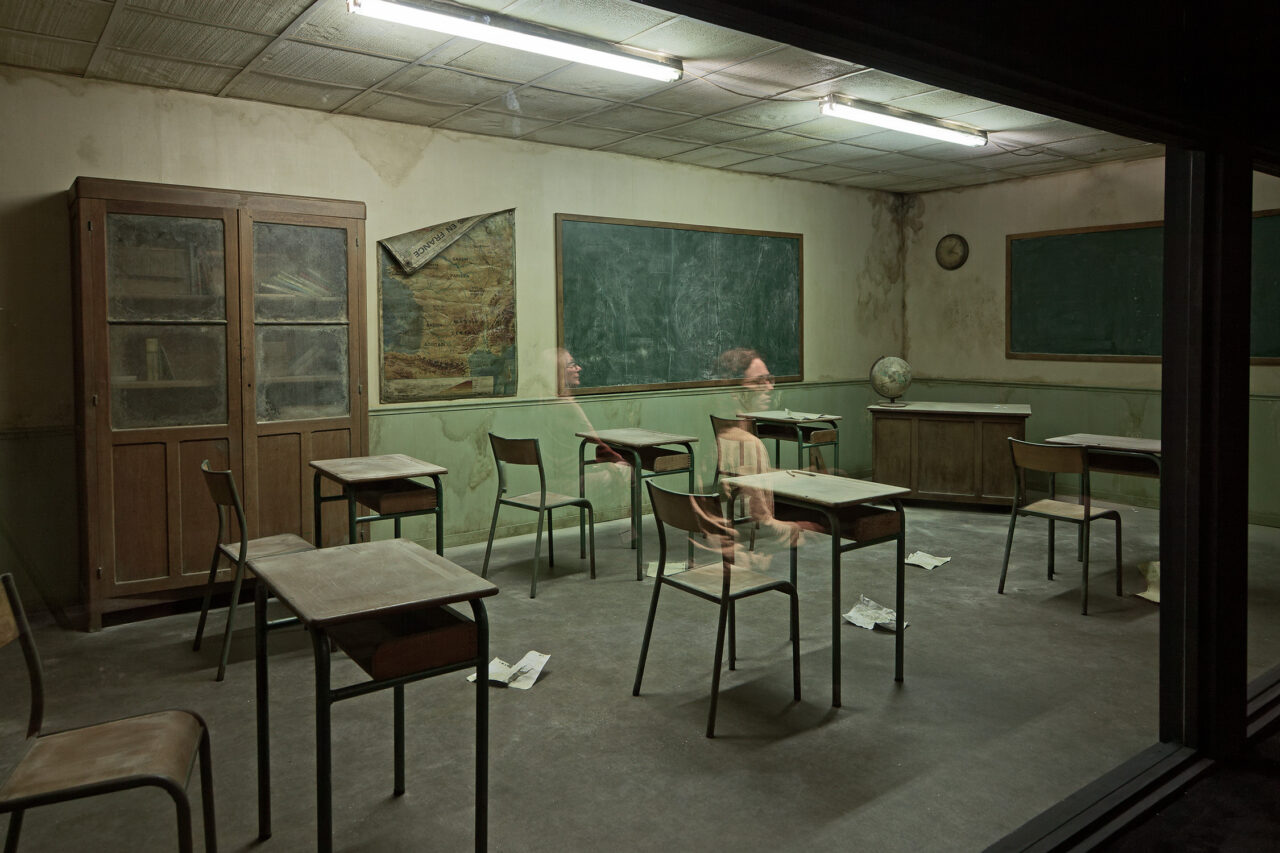
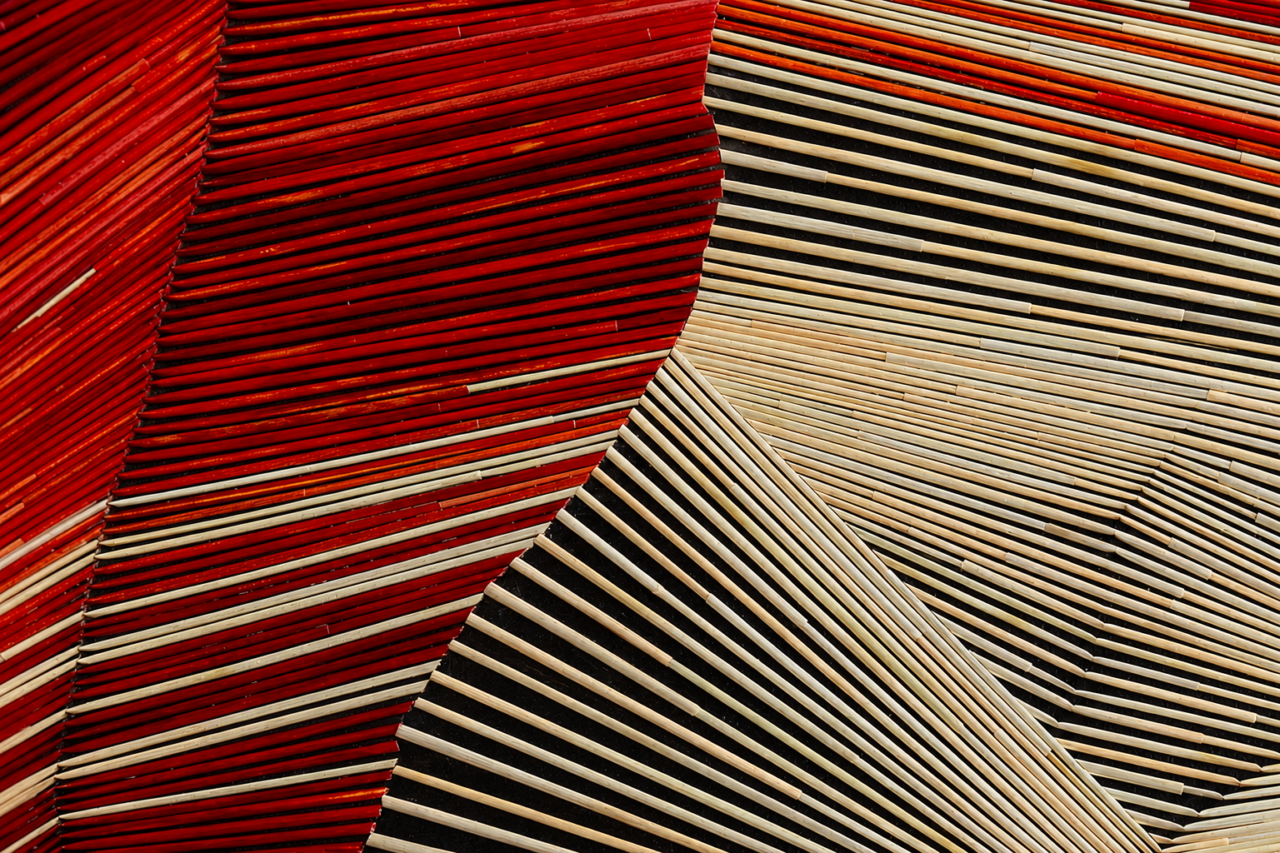
Fundação Iberê Camargo is dedicating a major solo exhibition to Marco Maggi, unfolding across all levels of the institution and engaging in a dialogue with the iconic building designed by Álvaro Siza Vieira.
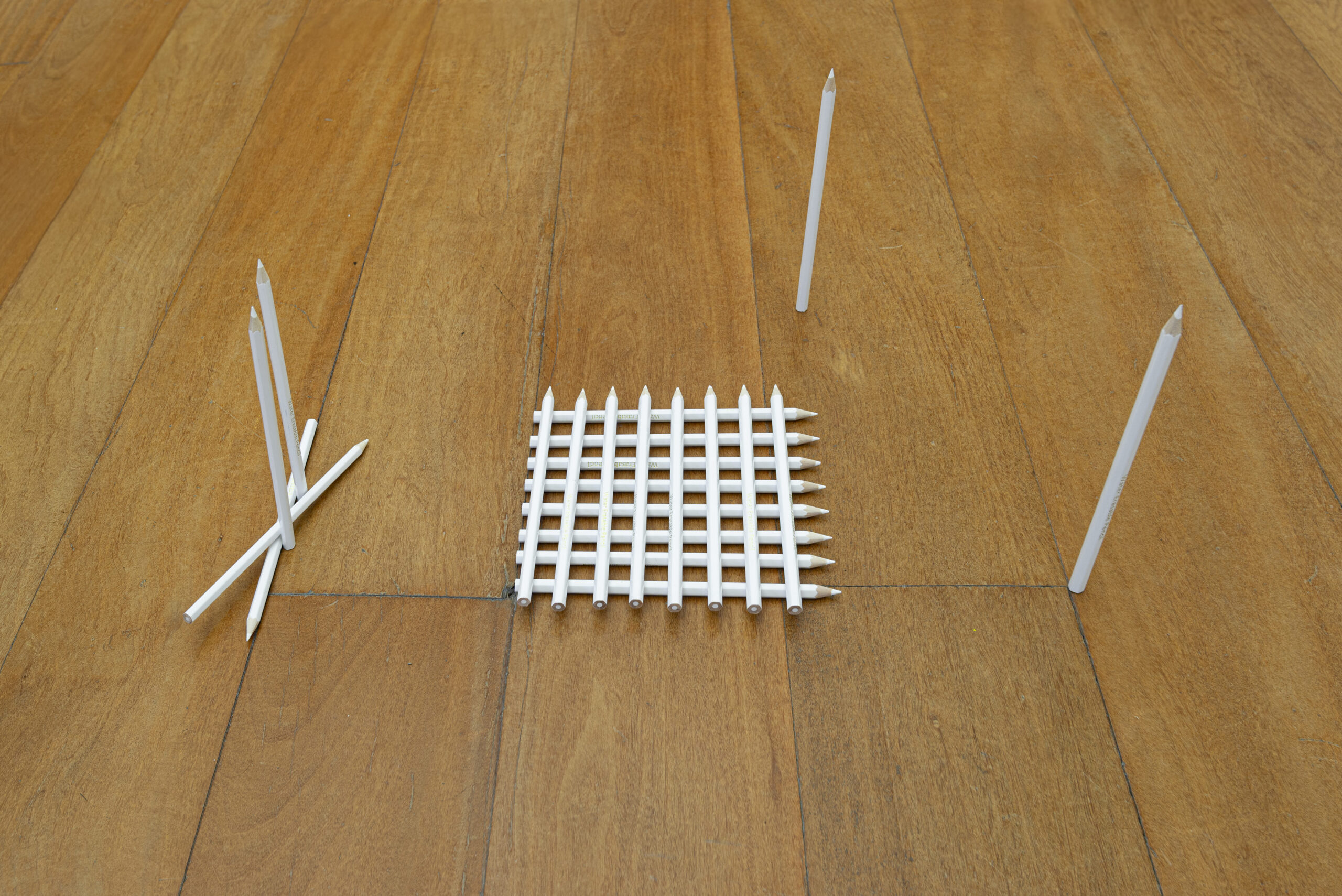
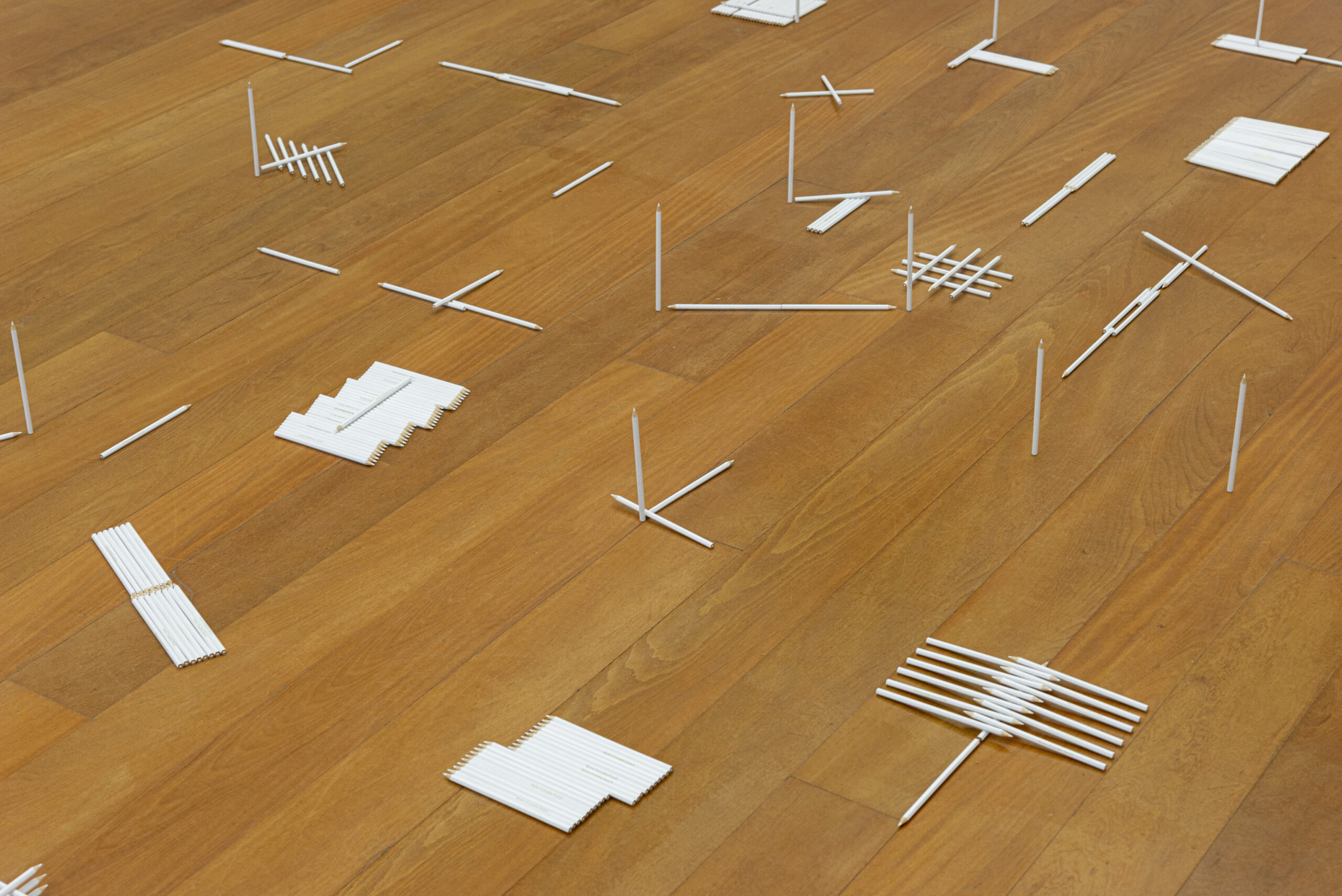
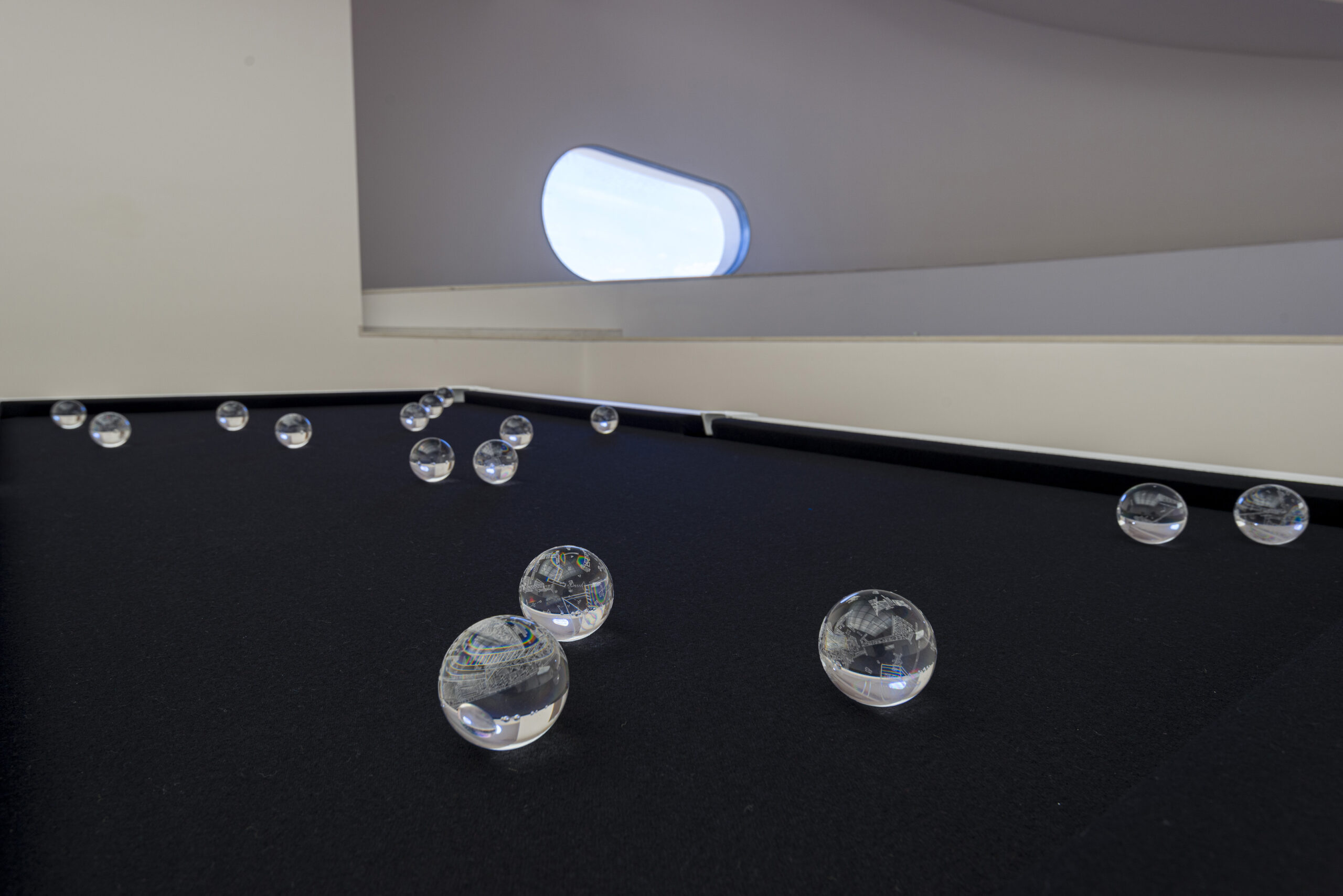
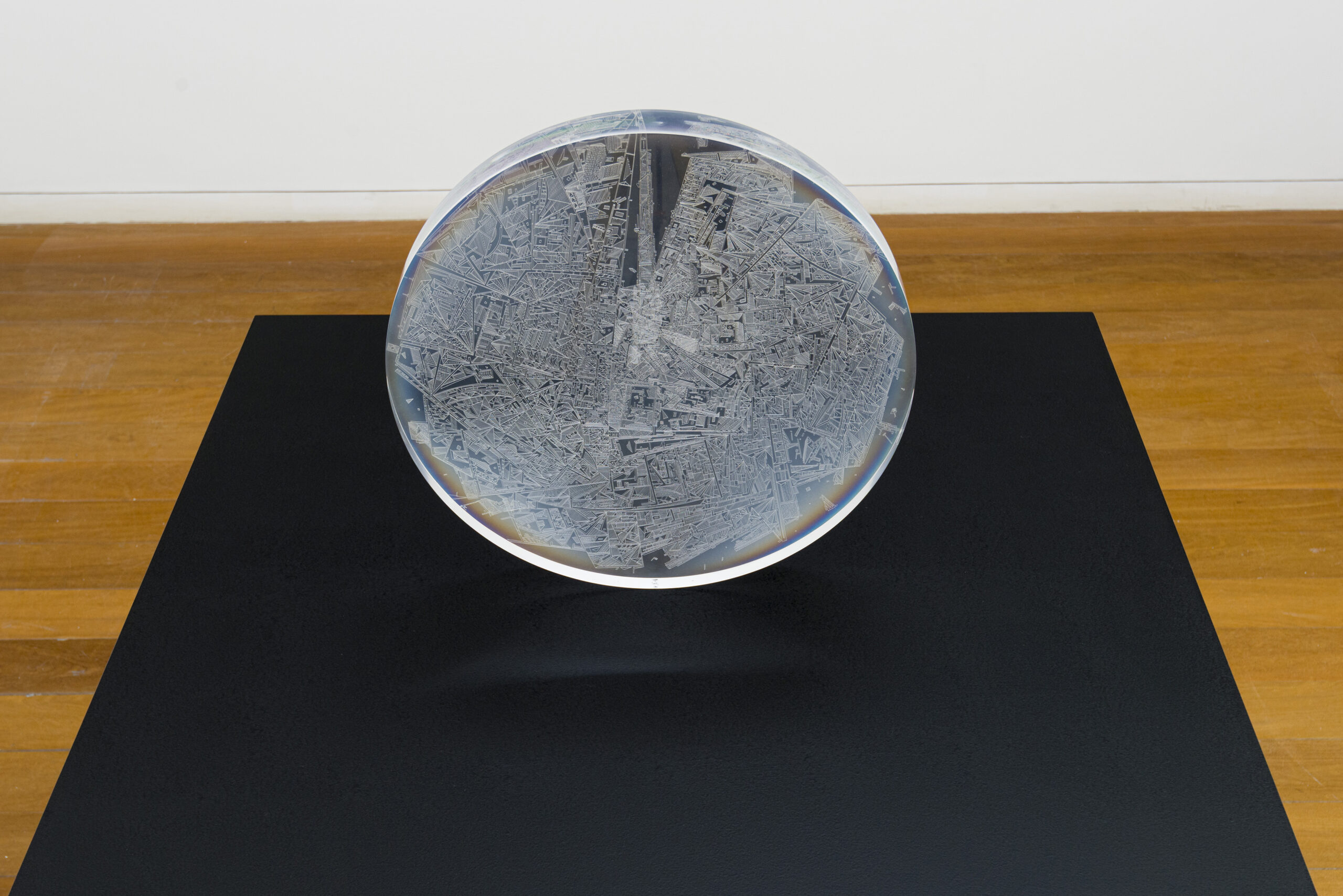
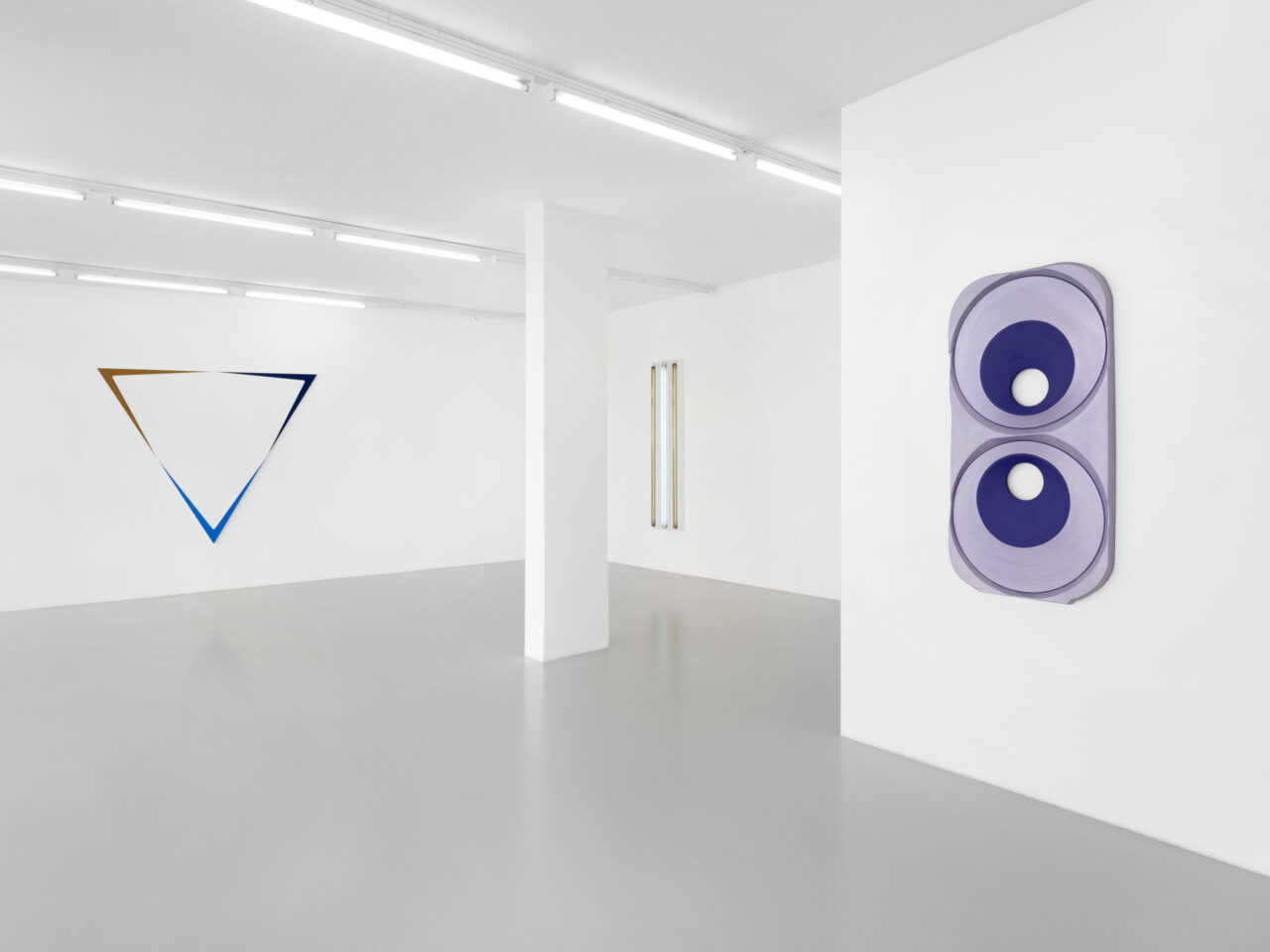
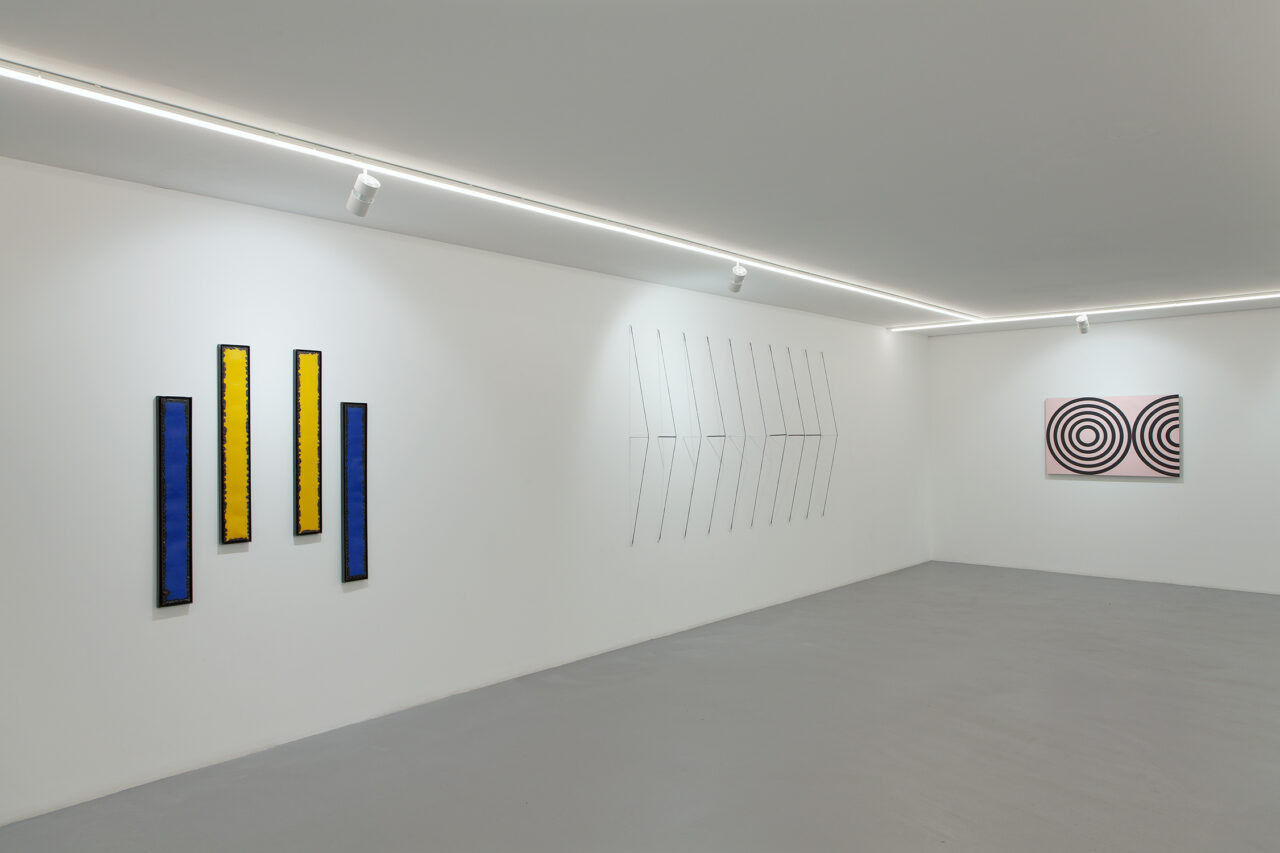
Curated by Patricia Betancur, The Economy of Attention is a reflection on the ways in which attention is constructed and directed. Maggi’s works form a visual system of minimal, almost imperceptible structures. They feature micro cuts in paper, and incisions on acrylic or graphite, which only seem to exist thanks to intangible light and shadow.
In his proposals, both the exhibition titles and those of his works usually conceal a meta-meaning. The ambiguity of the title of this installation is not a lack of clarity but a critical tool situated on a threshold of deliberate meaning. On one hand, it evokes circulation, management, and the exchange of a scarce resource (economy); on the other, perception, sensitivity, and the capacity to focus (attention). The experience of the exhibition unfolds in the intermediate terrain between these two poles. It does not designate univocally but opens a field of tensions that each visitor must negotiate along their path.
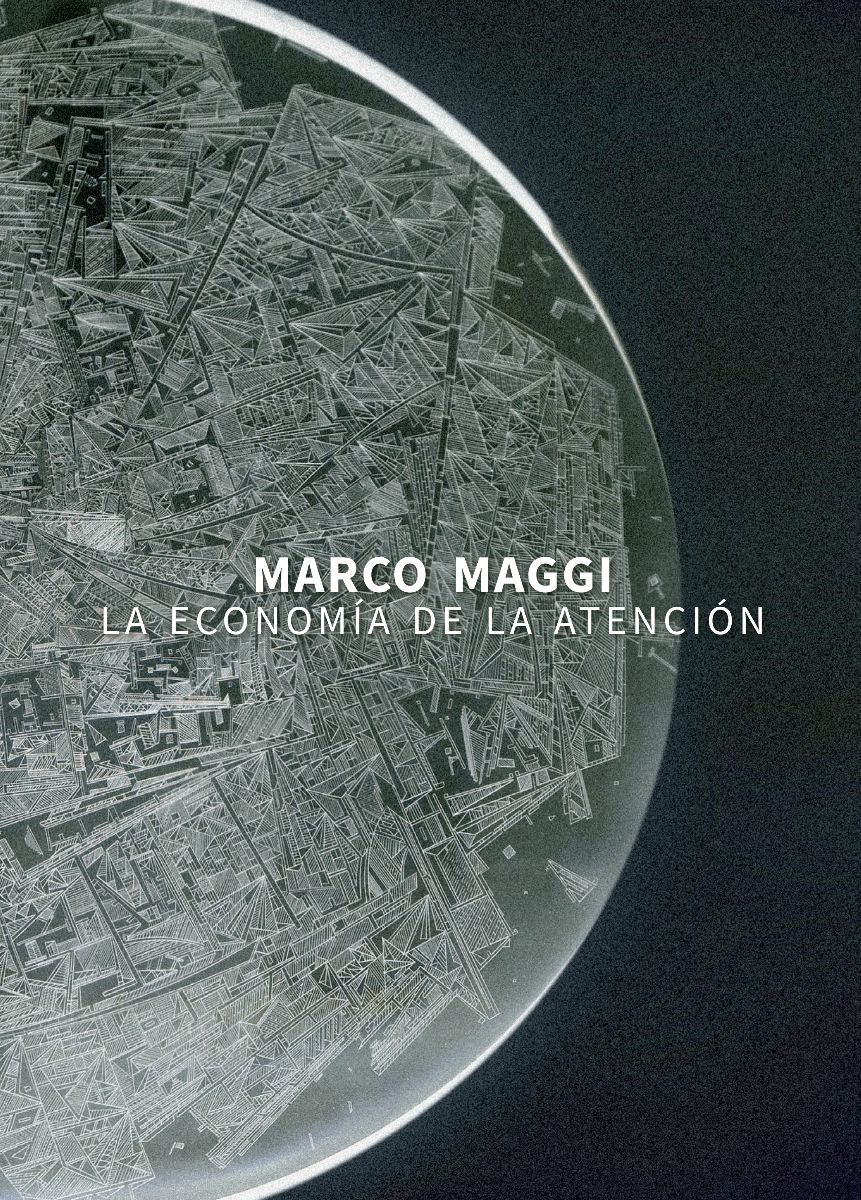
The exhibition is accompanied by a catalog.