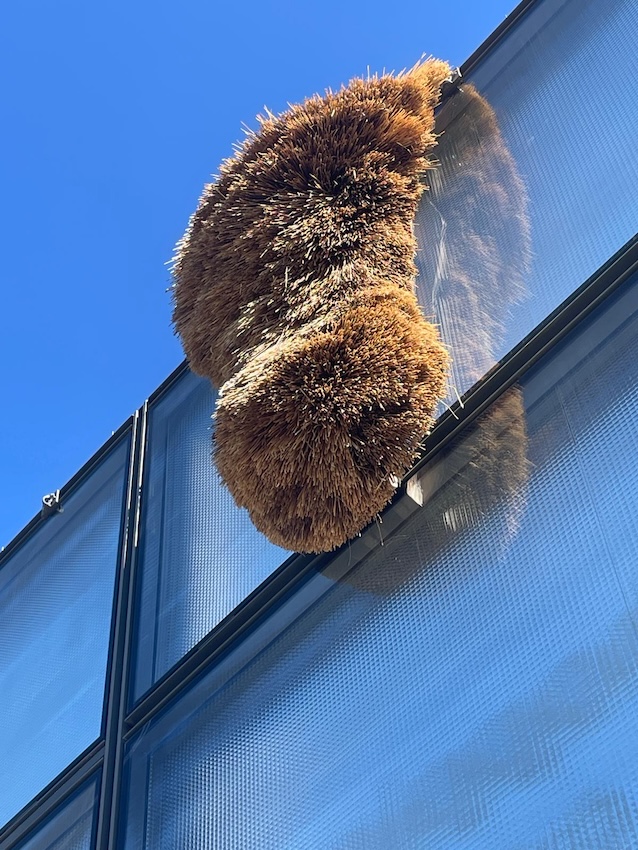
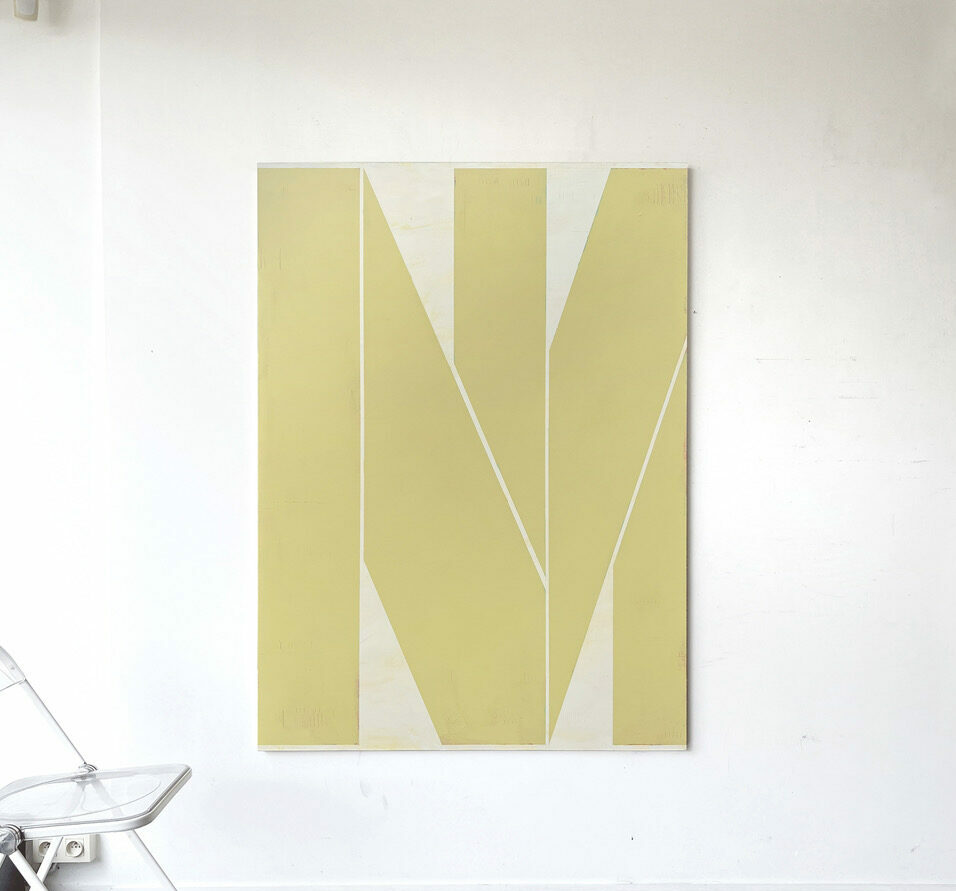
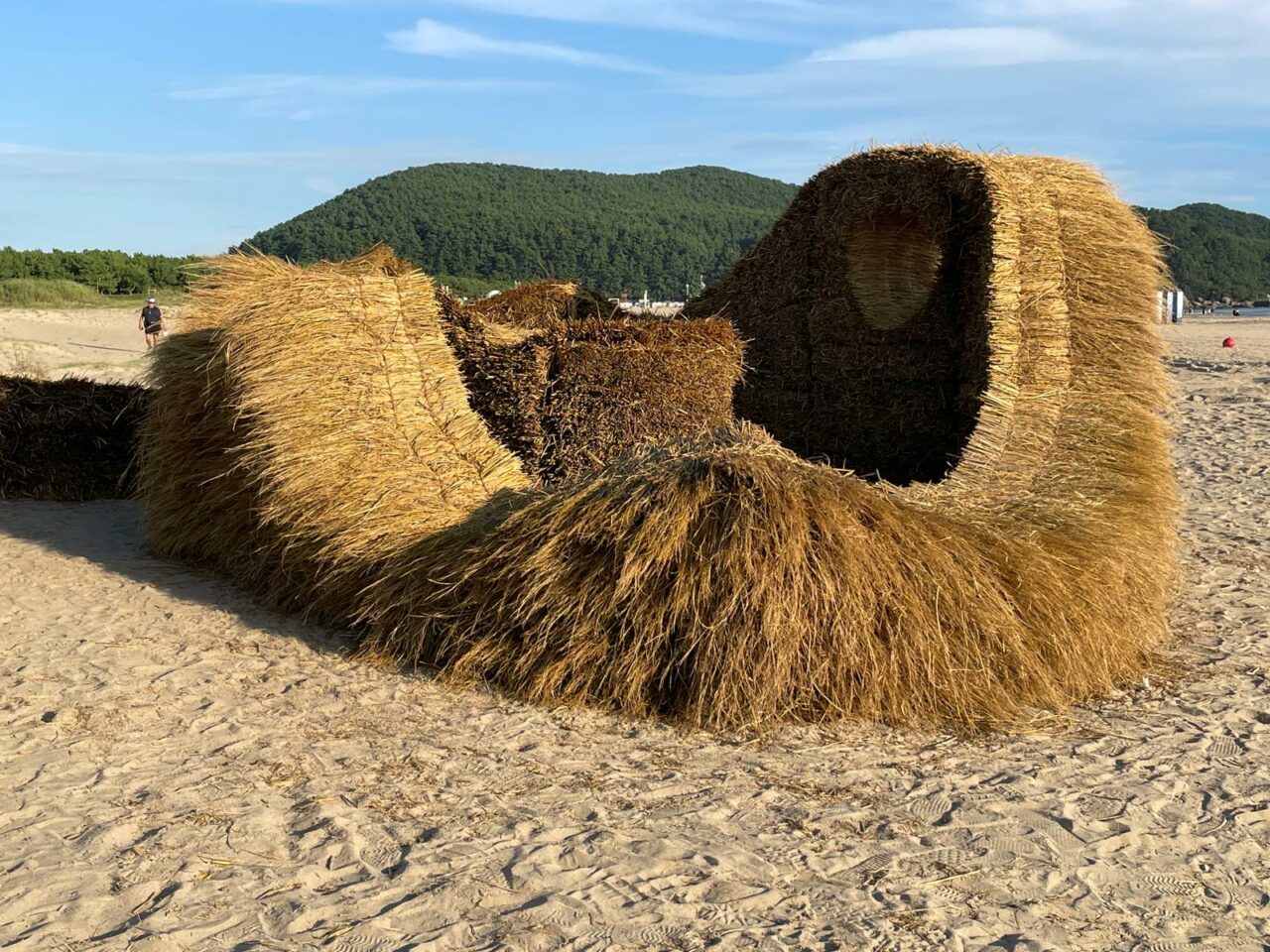
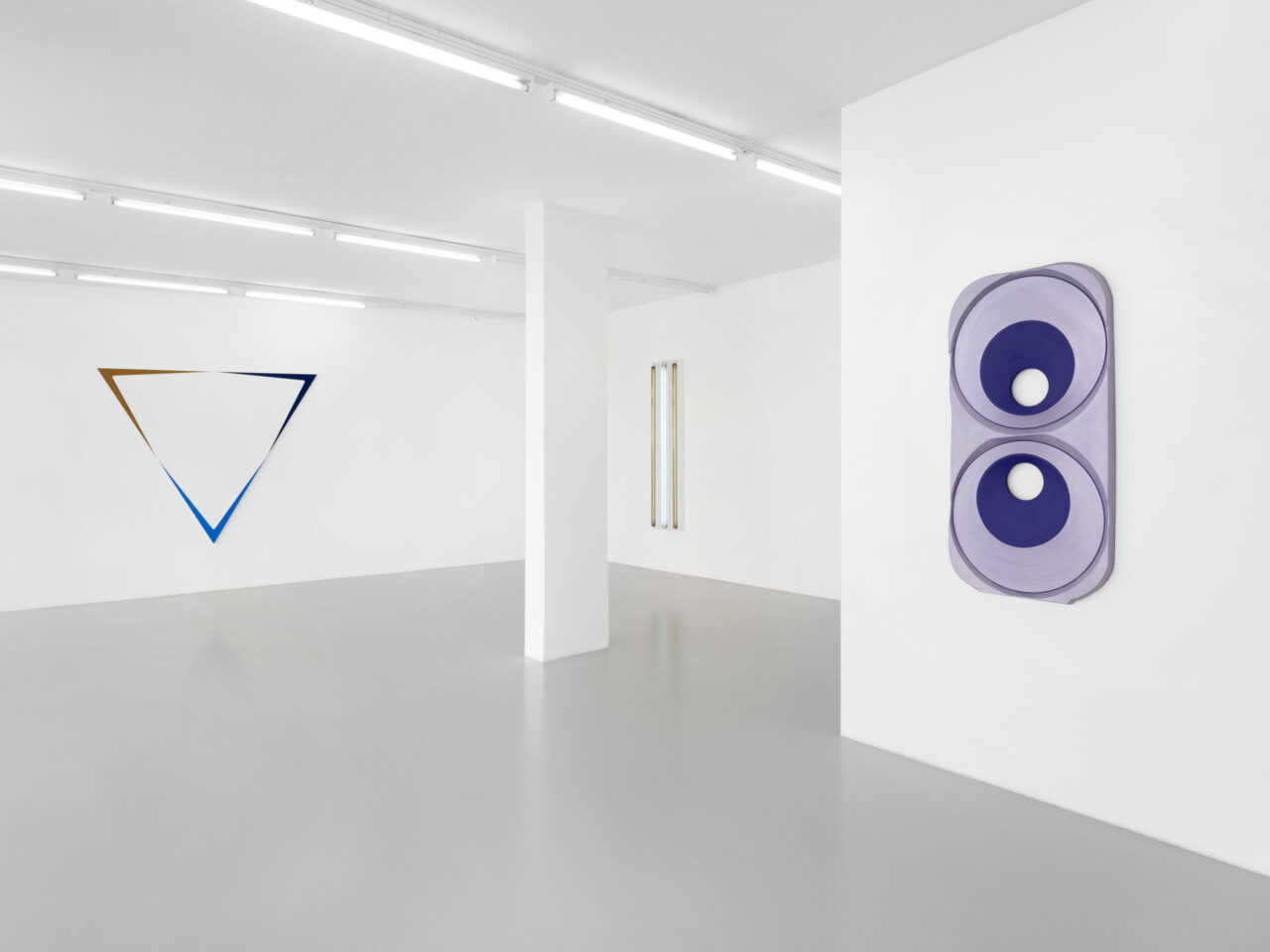
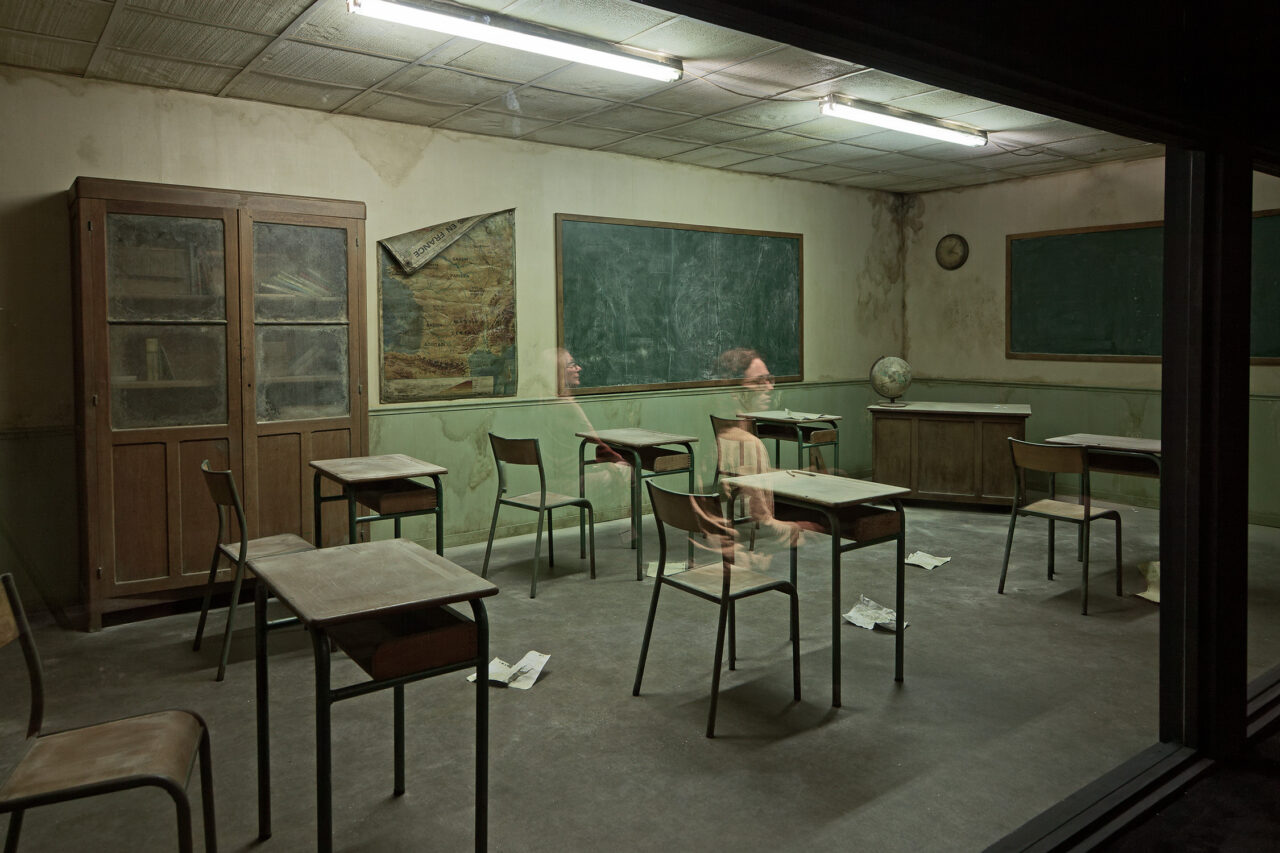
Berlin-based artist Olaf Holzapfel, who was a guest at Villa Kamogawa from September to December 2024, will appear in the autumn session of the Setouchi Triennale 2025.
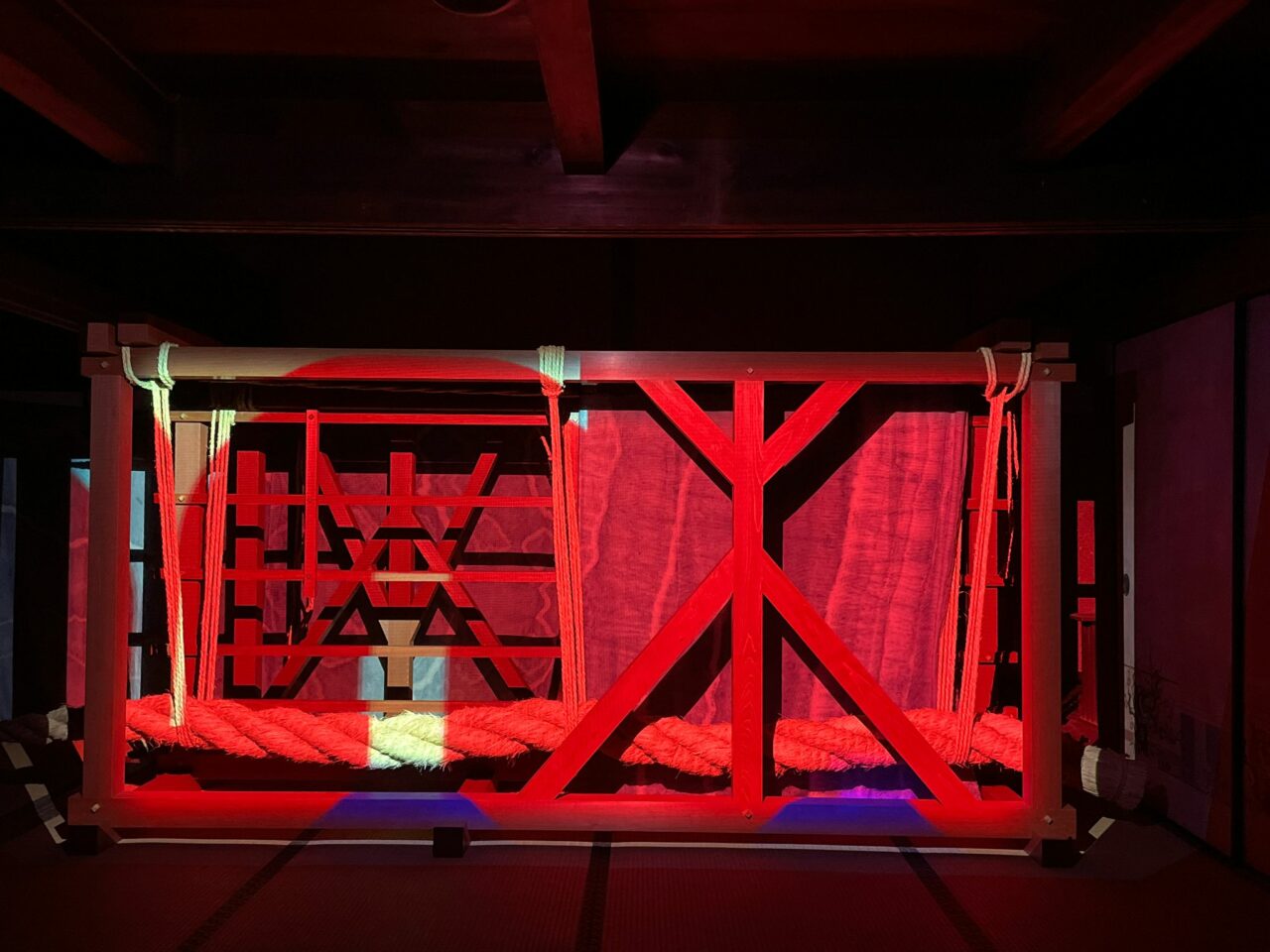
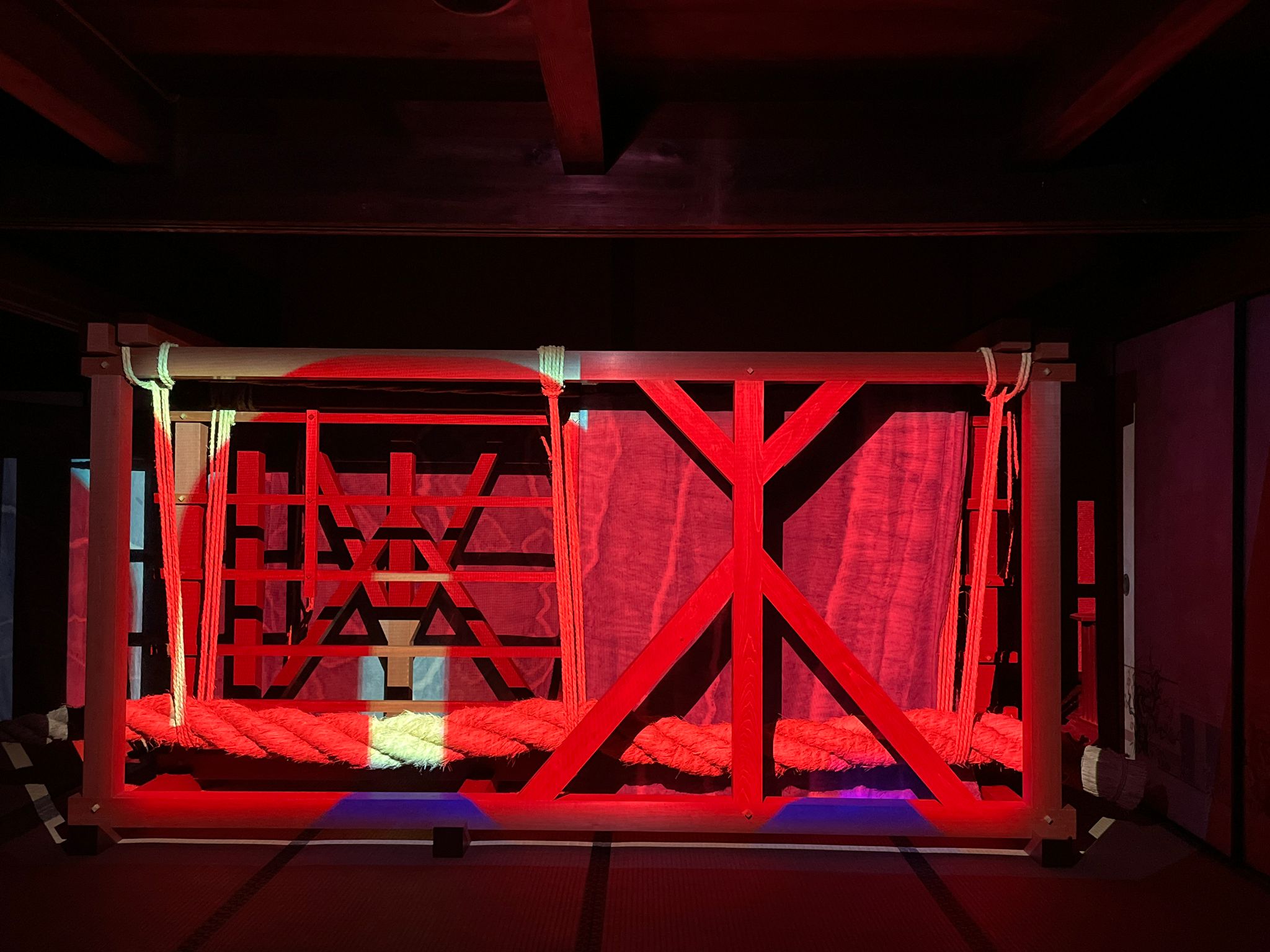
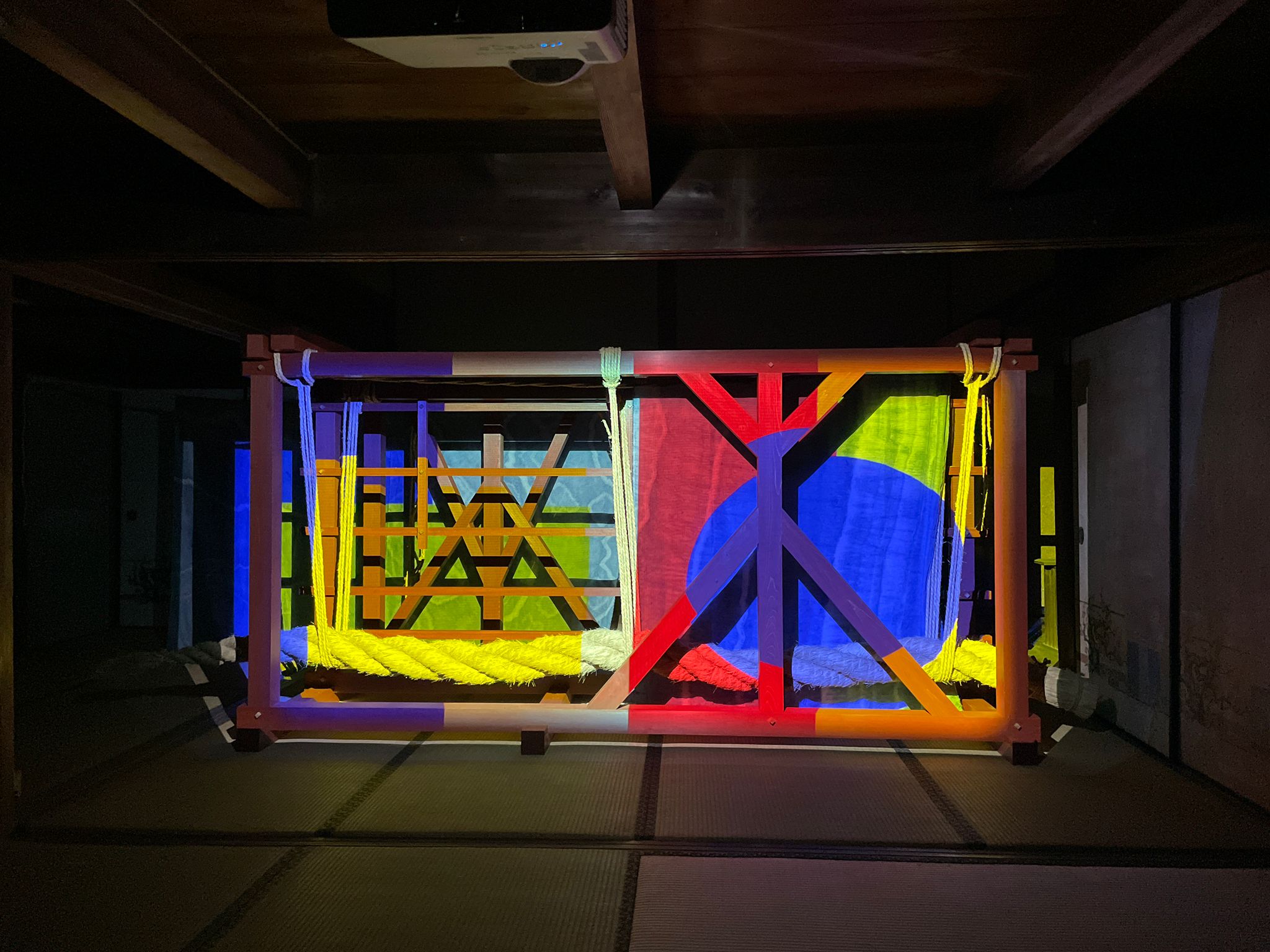
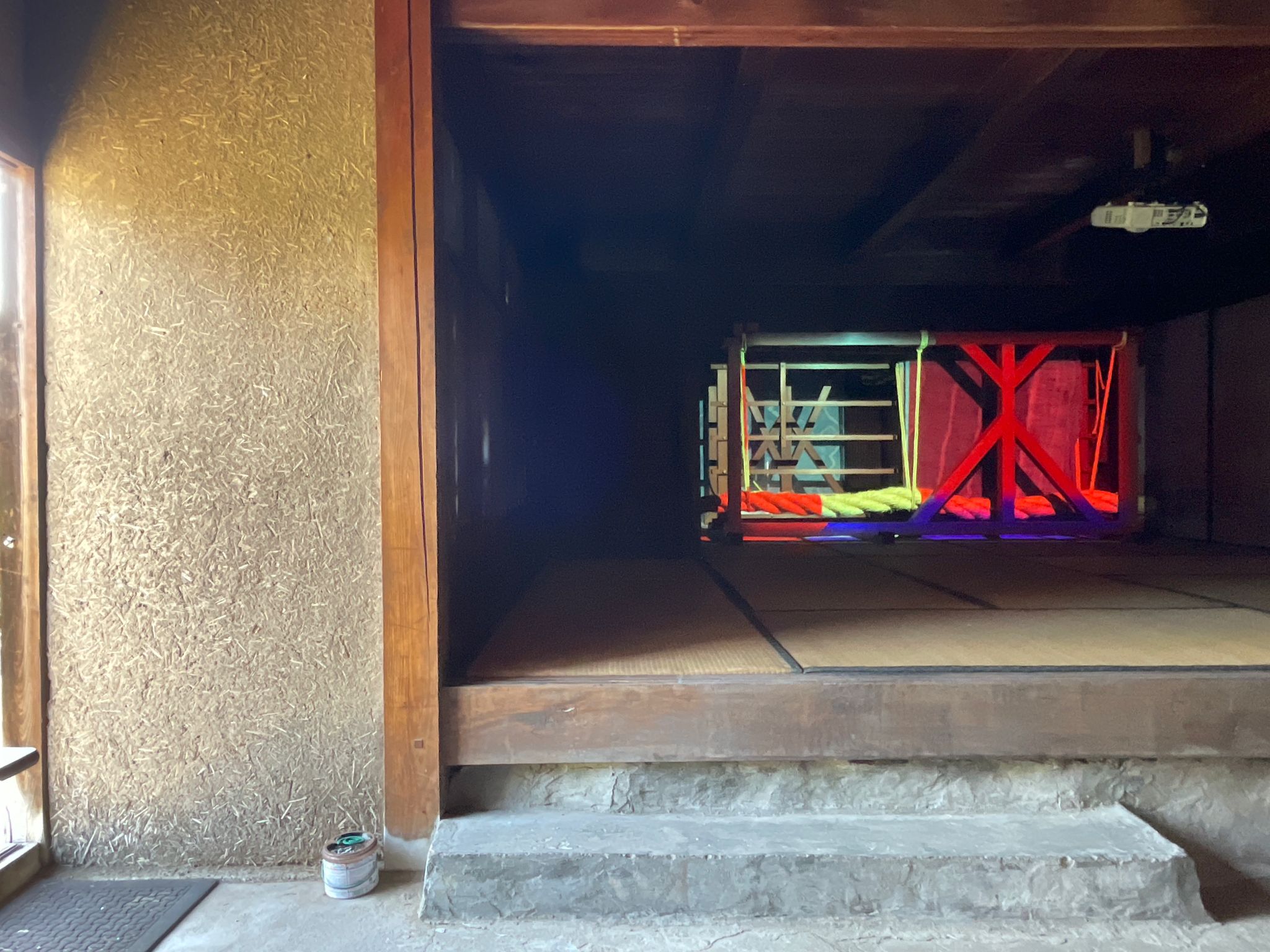
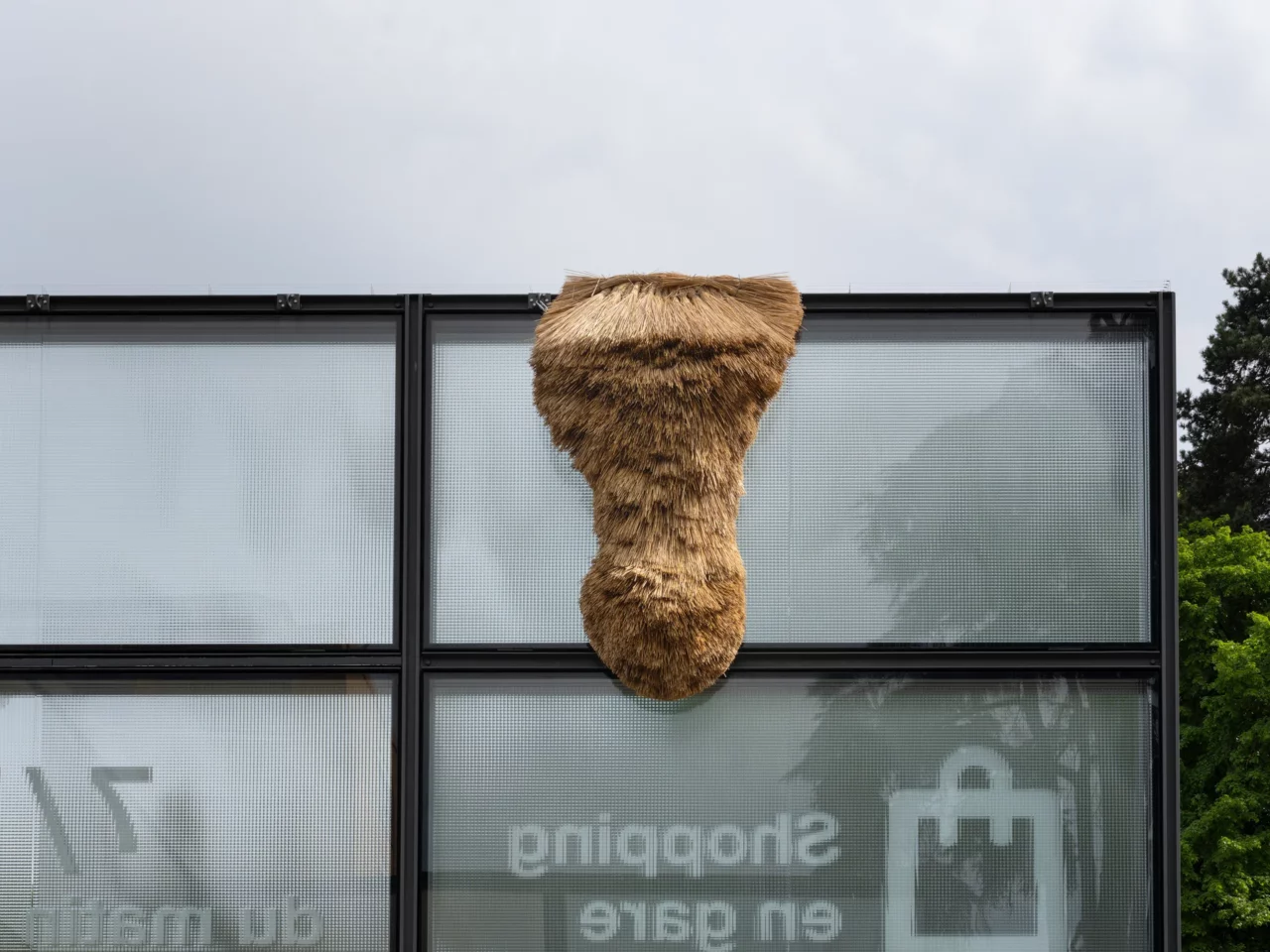
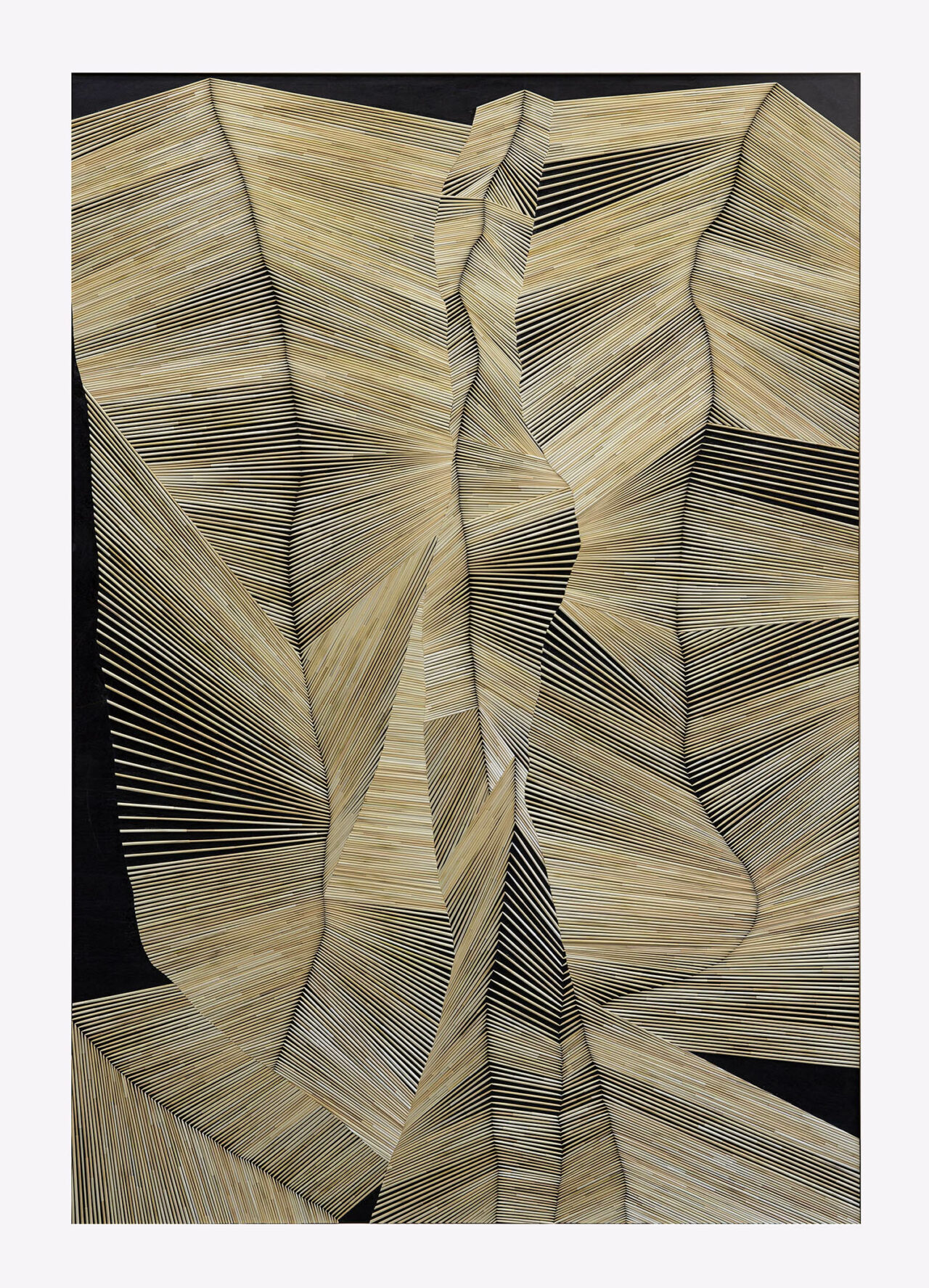
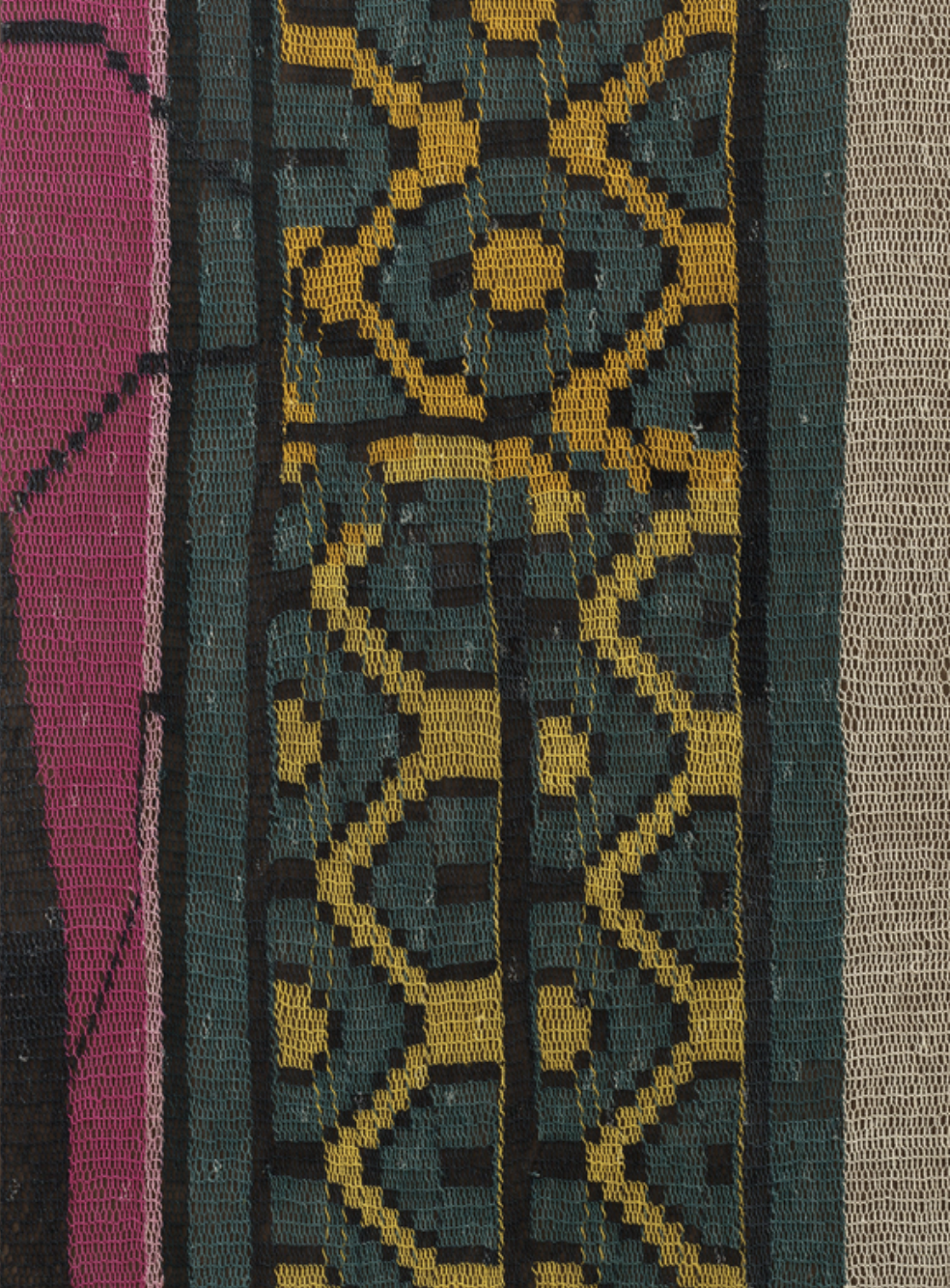
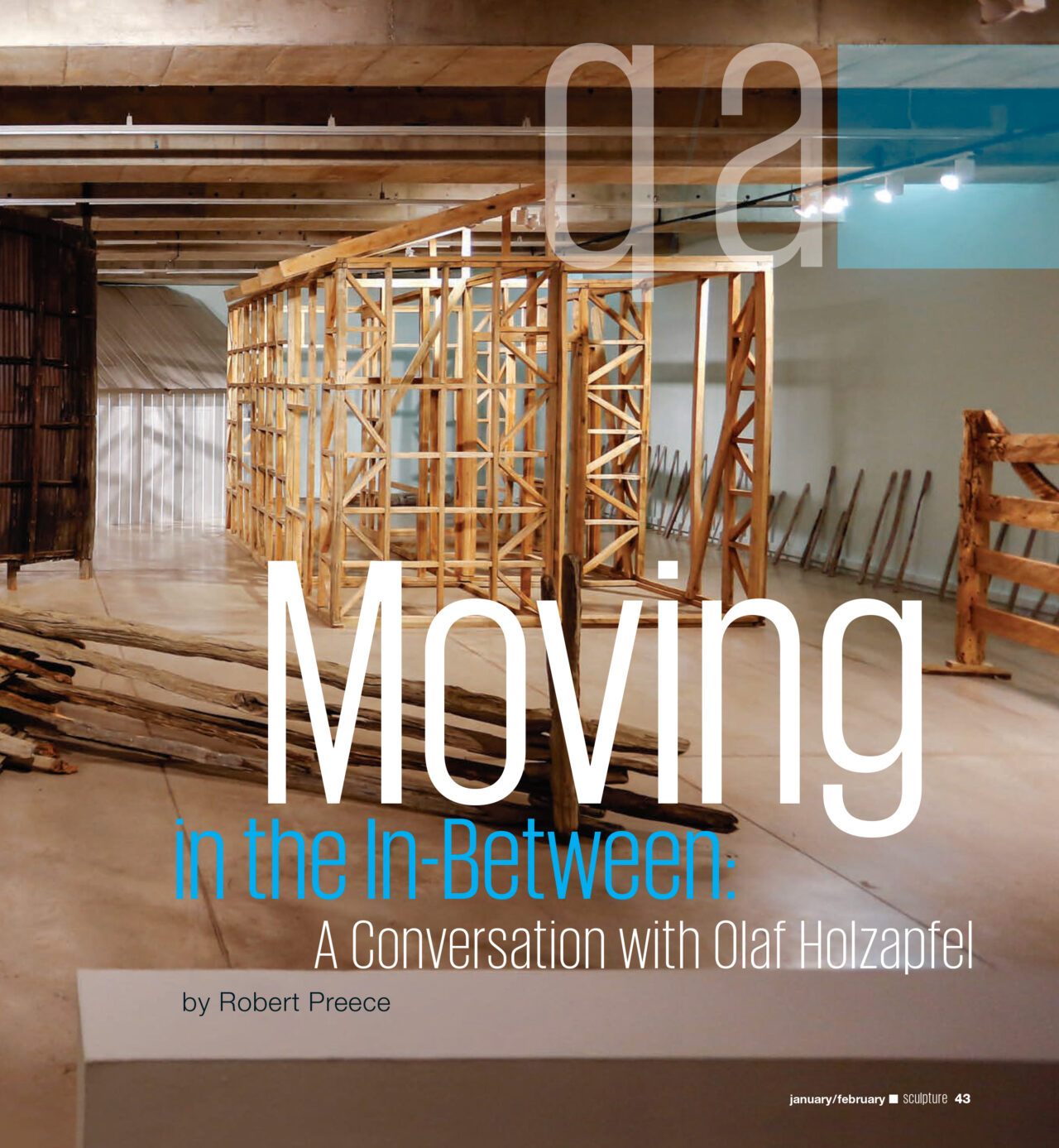
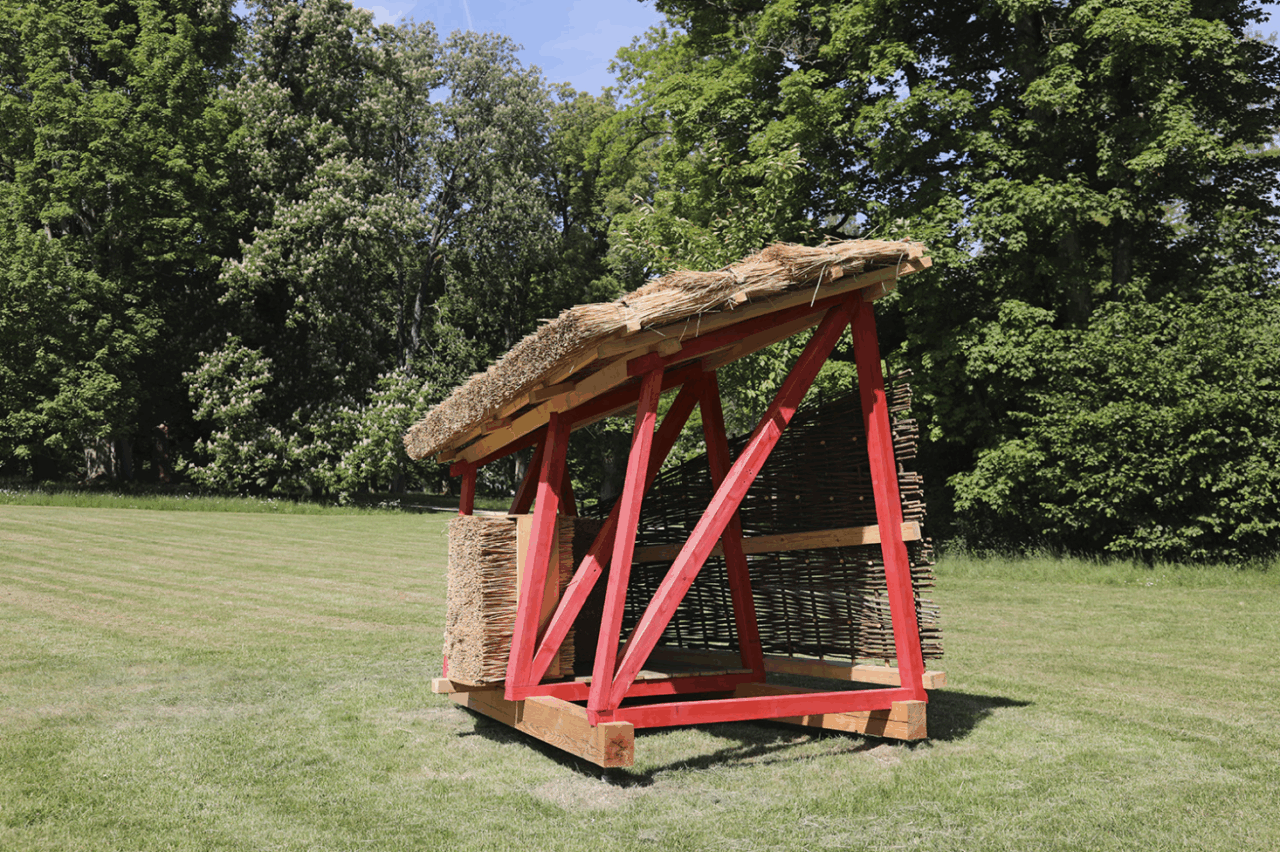
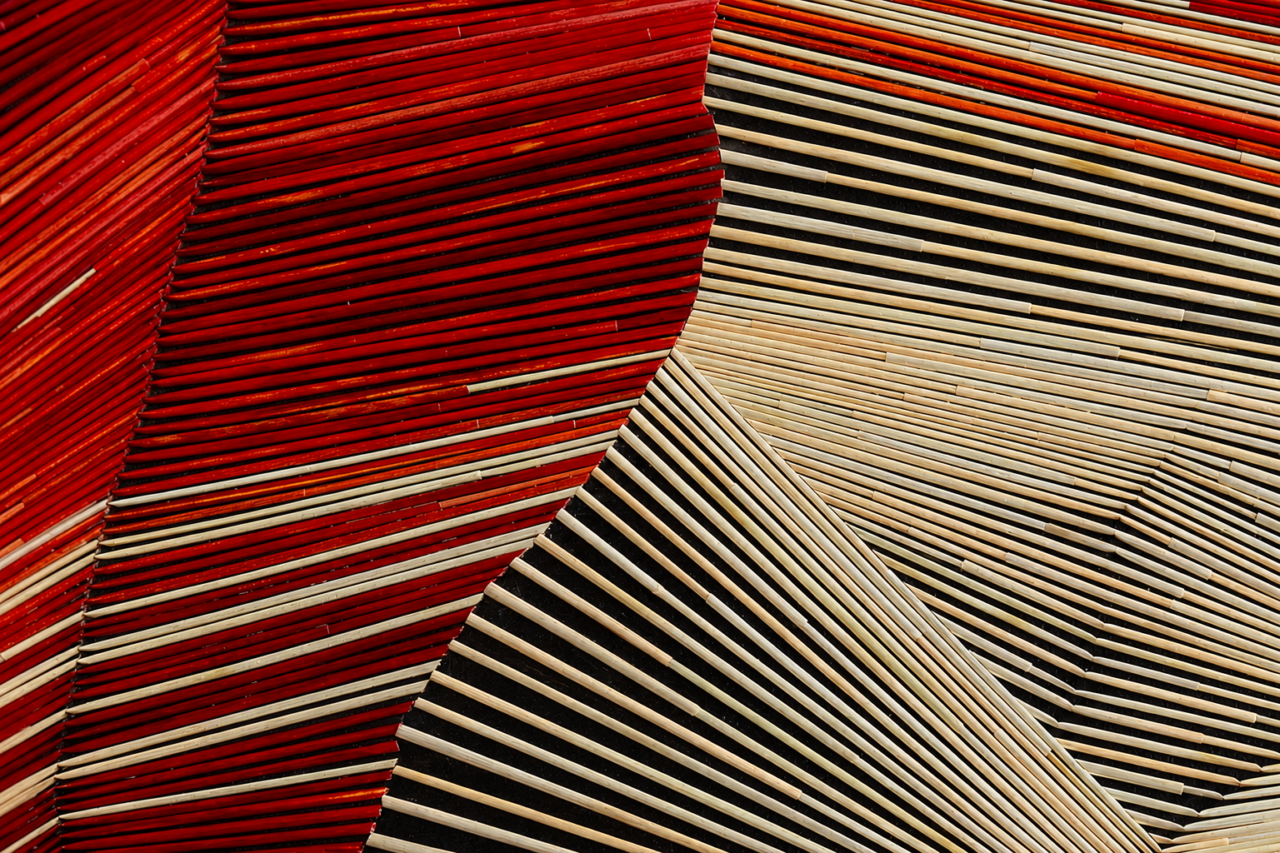
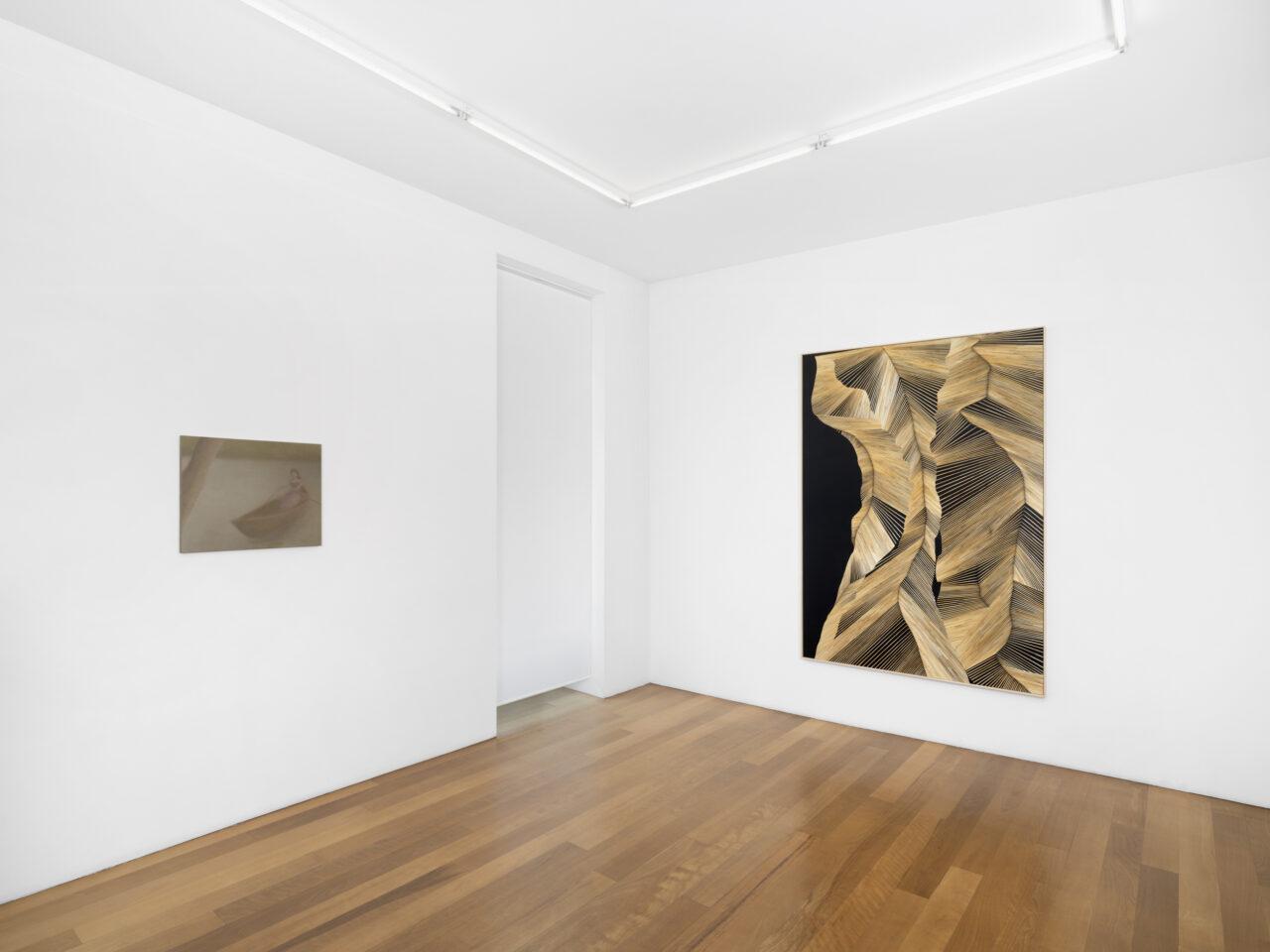
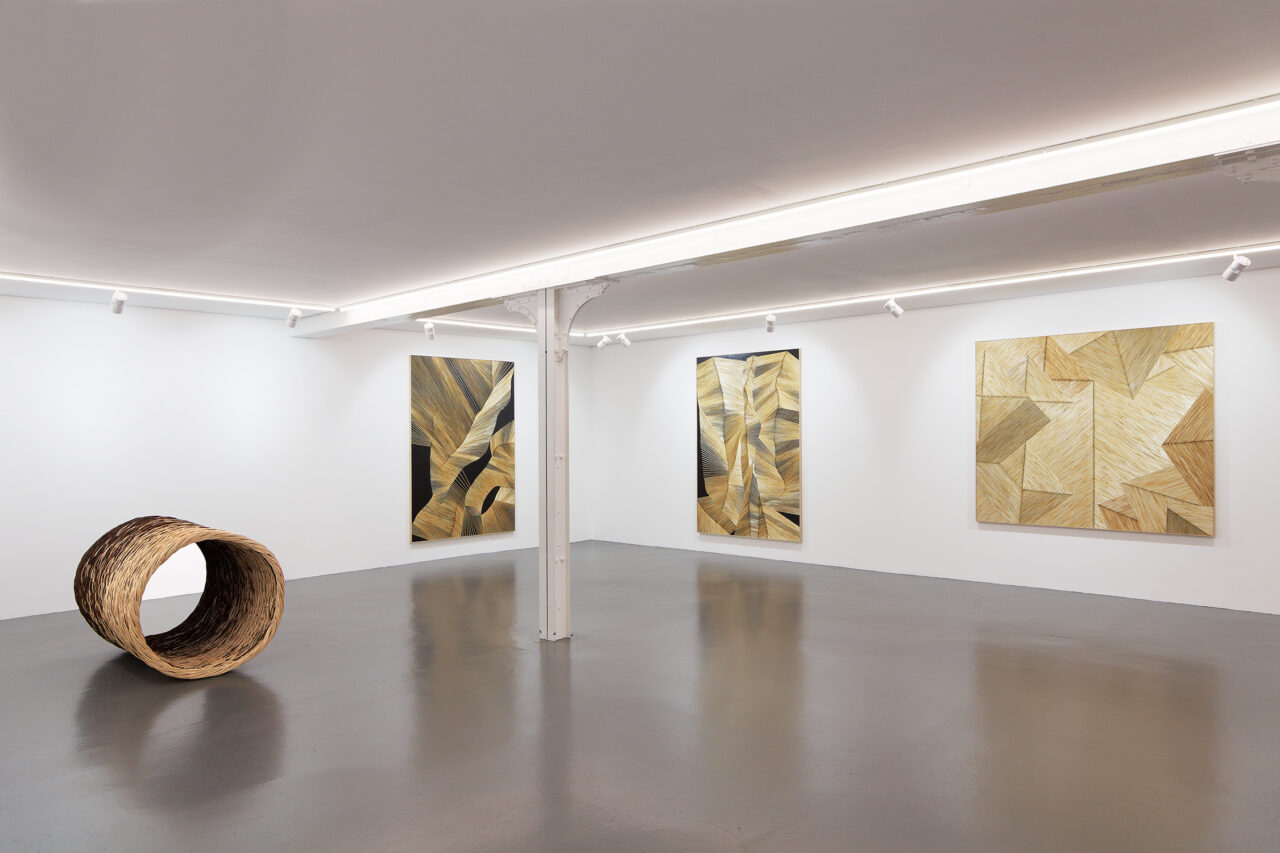
Ibuki Island is an impressive testament to human settlement and the interrelationship with nature. Up to 4,000 people lived on this small island exclusively from fishing. Their lives were directly connected to the elements, the creatures and their living conditions. The relationship between these life forms always depends on mutual understanding. The same idea was also explored in old stories such as the fairy tale ‘The Fisherman and His Wife’ , written by the Romantic poet Philipp Otto Runge. Holzapfel sets the story in a traditional Japanese house where many children once lived. In a stage setting, three universal craft techniques are presented that have timeless significance in both Japan and Germany: dyeing, straw weaving and carpentry.
Japanese actress Miho Takayasu narrates the fairy tale in the animated film created by Holzapfel and Moritz Stumm. Like the fairy tale, the installation deals with the relationship between humans and nature, its cycles, the challenges of human desires and the limits of material existence. And with the realization that these limits are also the place of home, like the house in which the installation takes place, like the island that is home to the people.
Holzapfel thus takes up a theme that is as familiar to the fishermen of Ibuki Island as it is to other craftsmen: the relationship and balance between our bodies and the elements. Olaf Holzapfel Holzapfel uses the idea of light play to create a unified space that incorporates the installation, the history of the venue, and the island of Ibukijima itself.
Olaf Holzapfel created his work with the support of two Japanese craft companies: UEJIMA SANGYÔ, a manufacturer of traditional shimenawa from Wazuka/Kyoto, and SOMAKOSHA, a company specializing in timber construction from Okayama.