José Gamarra participates in the group exhibition The Earth, the Fire, the Water and the Winds: For a Museum of Errantry with Édouard Glissant – at Tomie Ohtake Institute in Sao Paulo, Brazil.
Taking its title from Glissant’s poetic anthology La Terre, le feu, l’eau et les vents (2010), the exhibition rehearses what a “Museum of Errantry” could be. Errantry, in Glissant’s thought, is a practice of Relation: it rejects fixed affiliations and conceives the museum as an archipelago—a space open to ruptures, disappearances, and reinventions without forced synthesis. Against rigid genealogies, it proposes a memory-in-transit—built on provisional alliances, translations, and tremors—an institutional process fueled by encounters between times, territories, and languages.
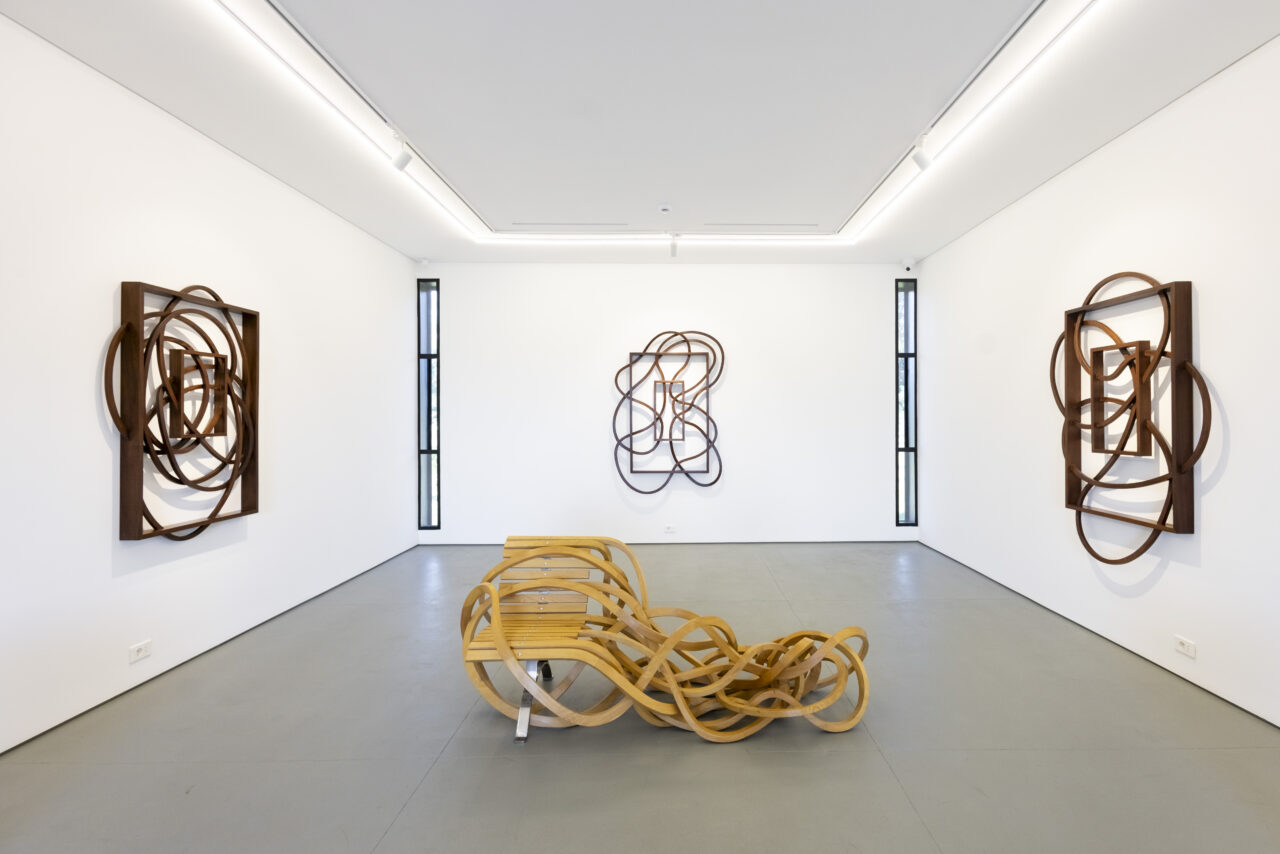
The works by José Gamarra, included in the exhibition, are part of Édouard Glissant’s personal collection, now preserved at the Mémorial ACTe in Guadeloupe, are shown for the first time in Brazil, along with paintings, sculptures, and prints by other artists Glissant was close to or wrote about—such as Wifredo Lam, Roberto Matta, Agustín Cárdenas, Antonio Seguí, Enrique Zañartu, Victor Brauner, Victor Anicet, among others.
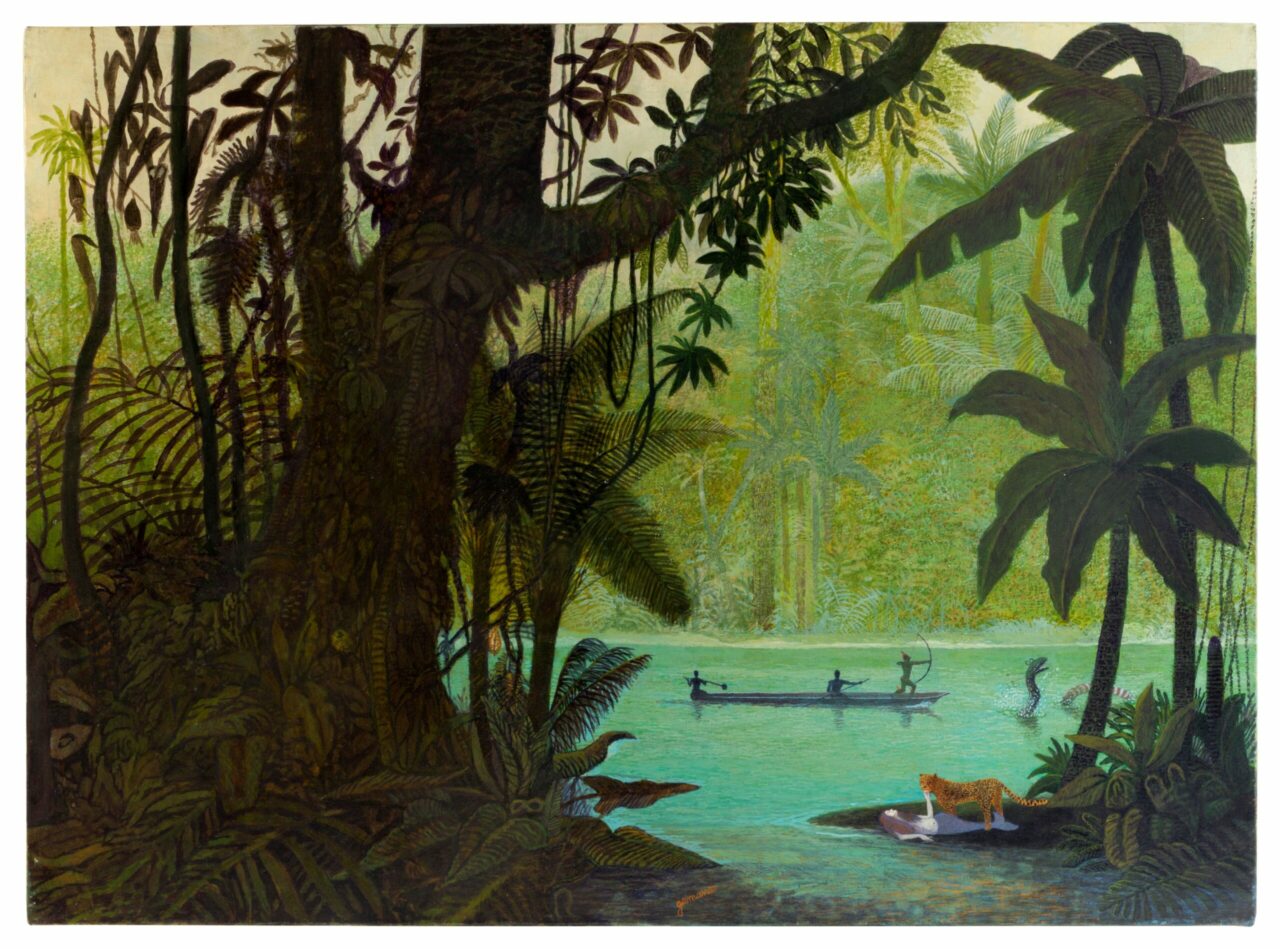
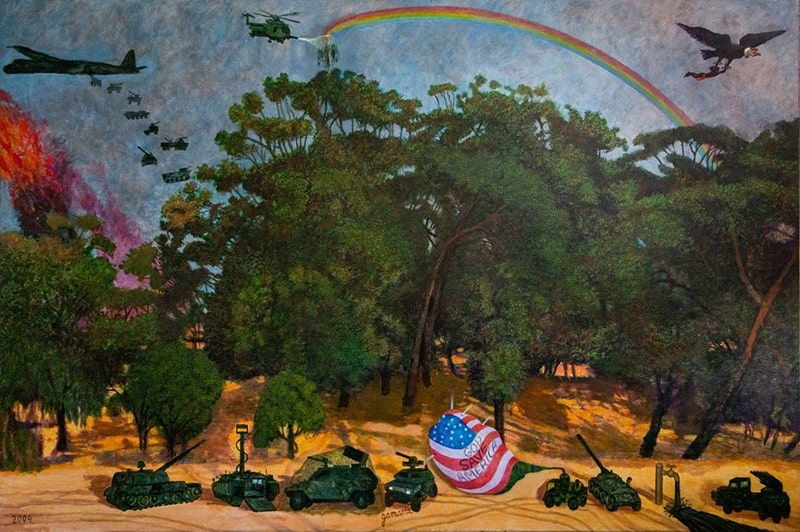
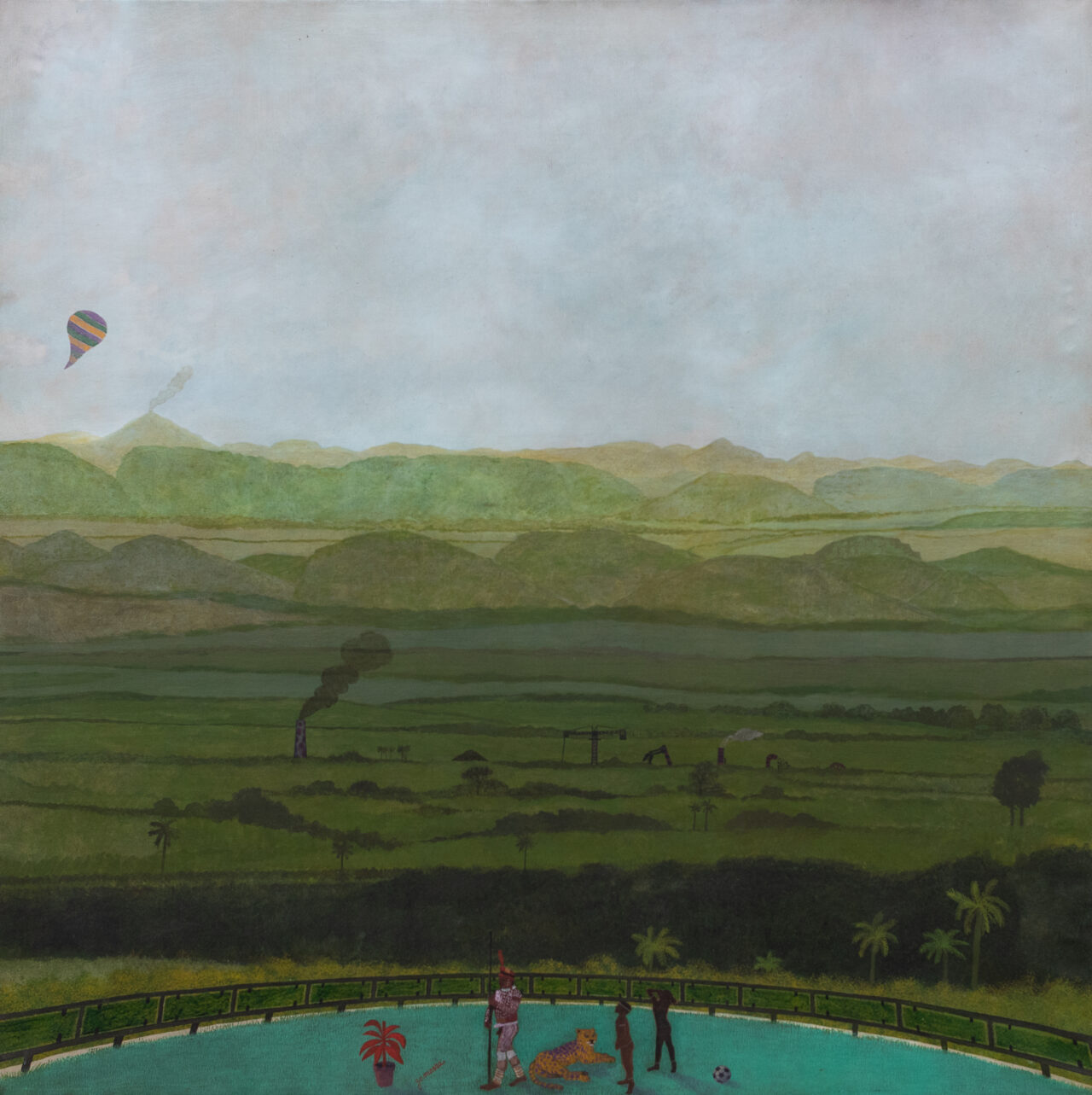
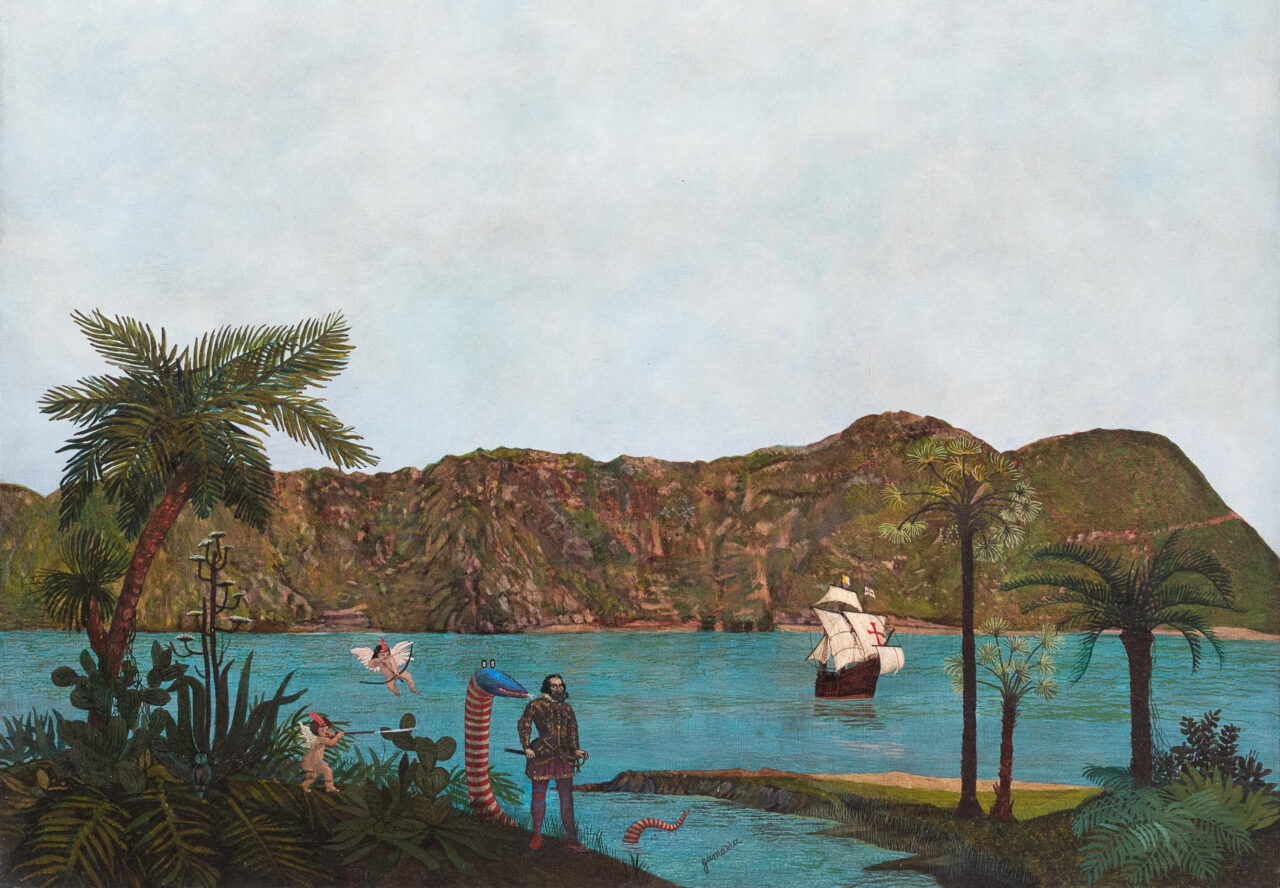
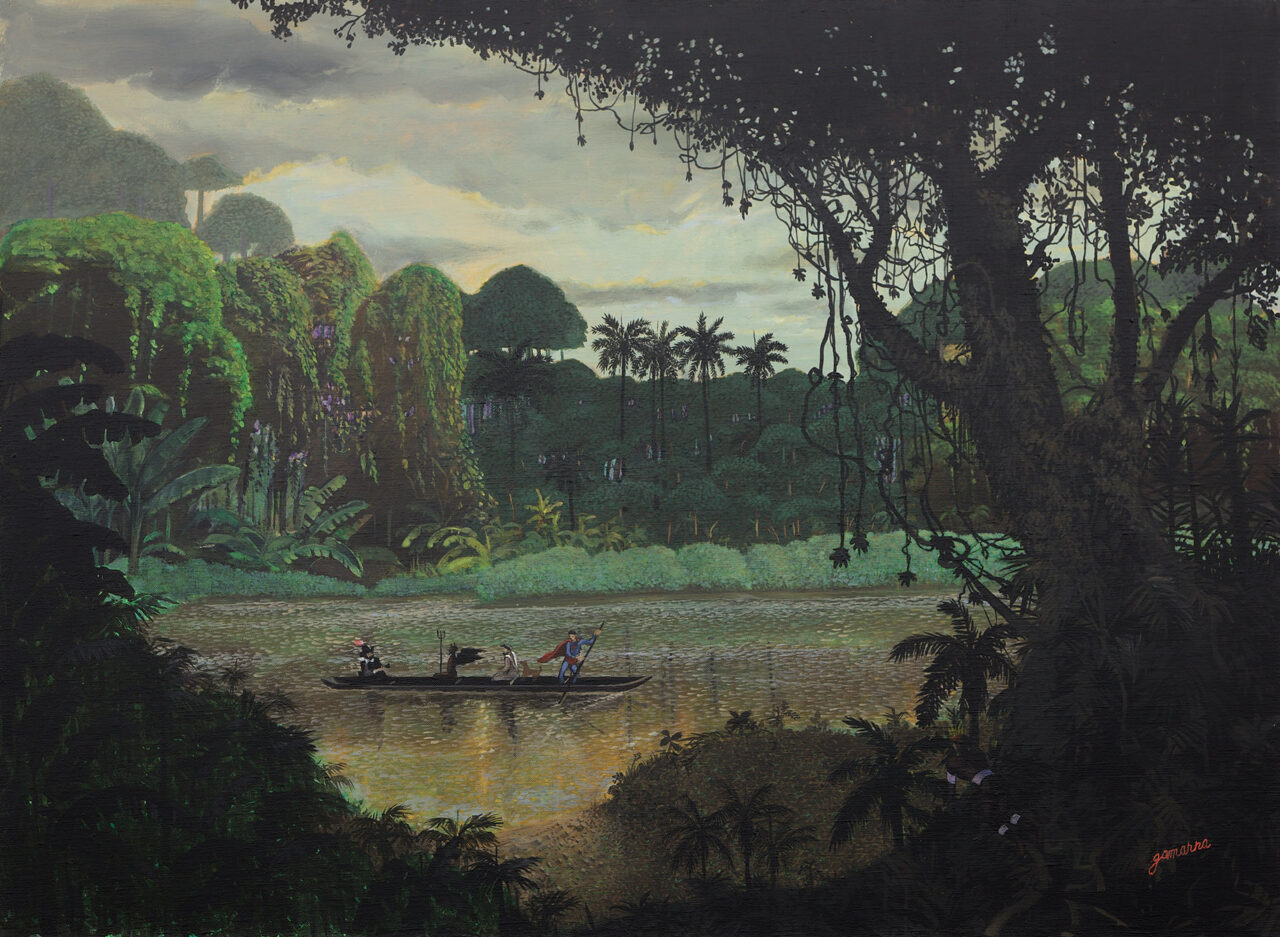
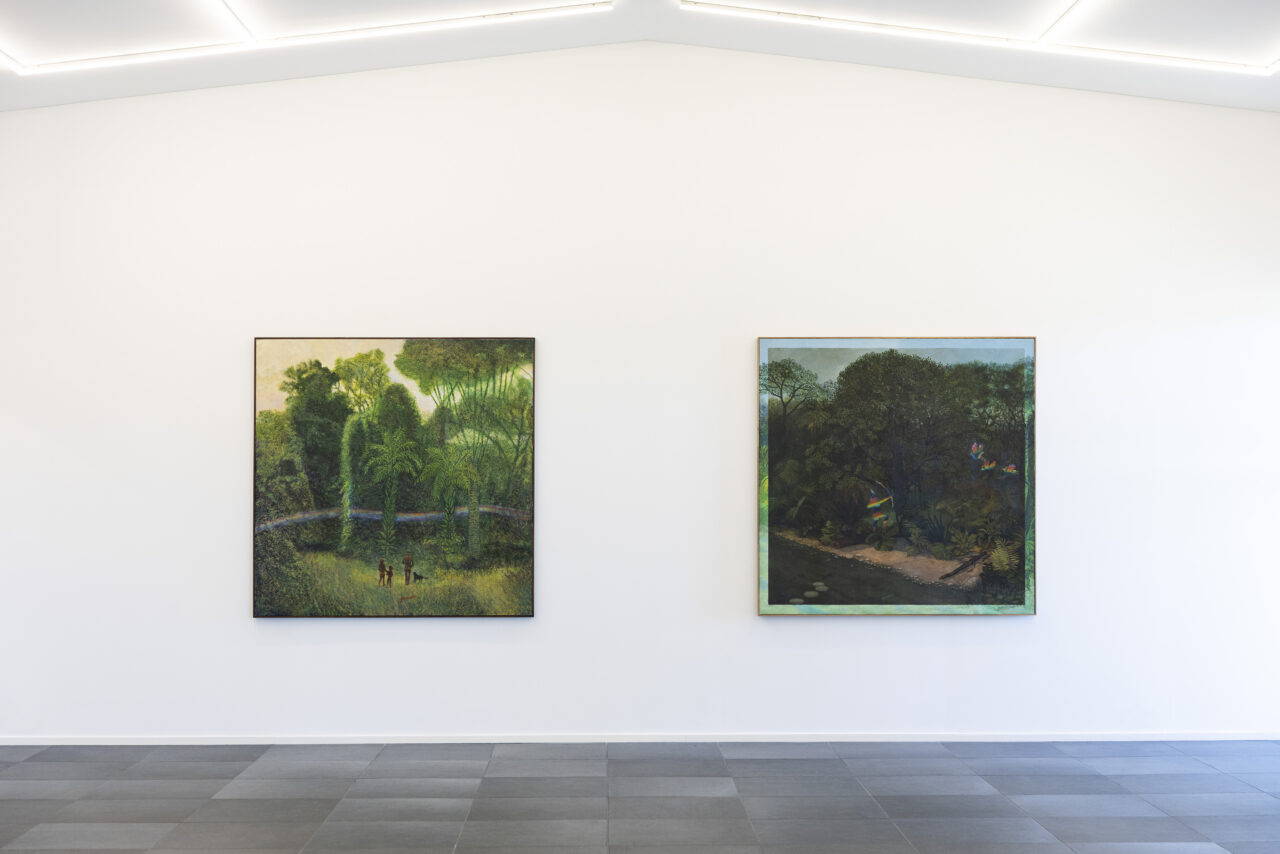
Blending reality, symbolism, myth, and history, Gamarra’s landscapes became progressively more detailed, often emulating the repertoire of European genre painting. L’inaccessible… [The Inaccessible…] (1986/1987) renders with meticulous skill a humid, dark tropical environment populated throughout with allegorical figures hinting at both the Amerindian ancestral presence and US imperialism. And the work on paper Untitled (1986) revolves around a prowling panther in one of the artist’s rare night scenes.