Carolina Fontana – Parallaxe
Carolina Fontana
Parallaxe
22.05.26 → 27.06.26
Opening on May 21 from 6pm to 9pm, on the occasion of Nuit des Bains.
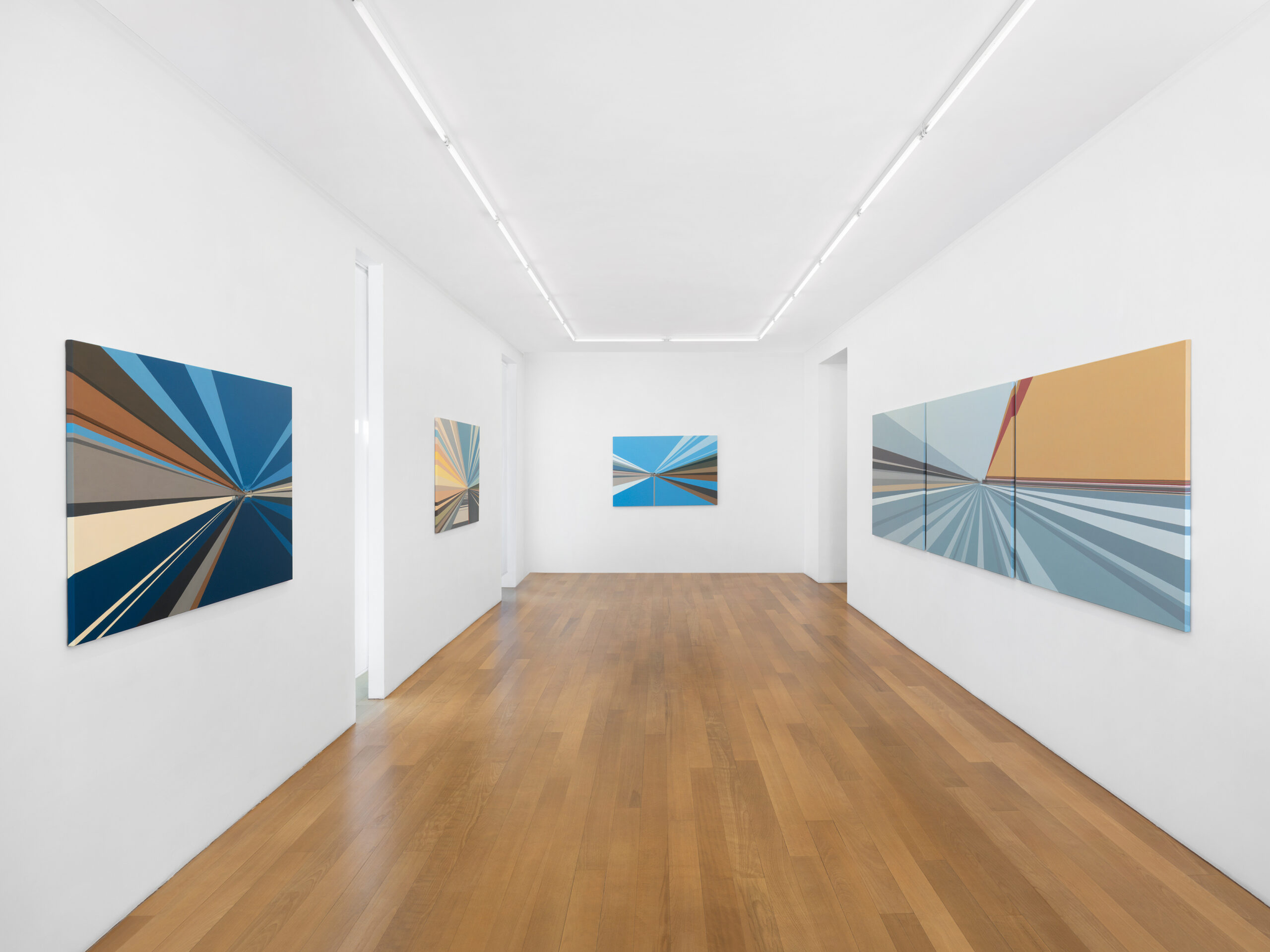
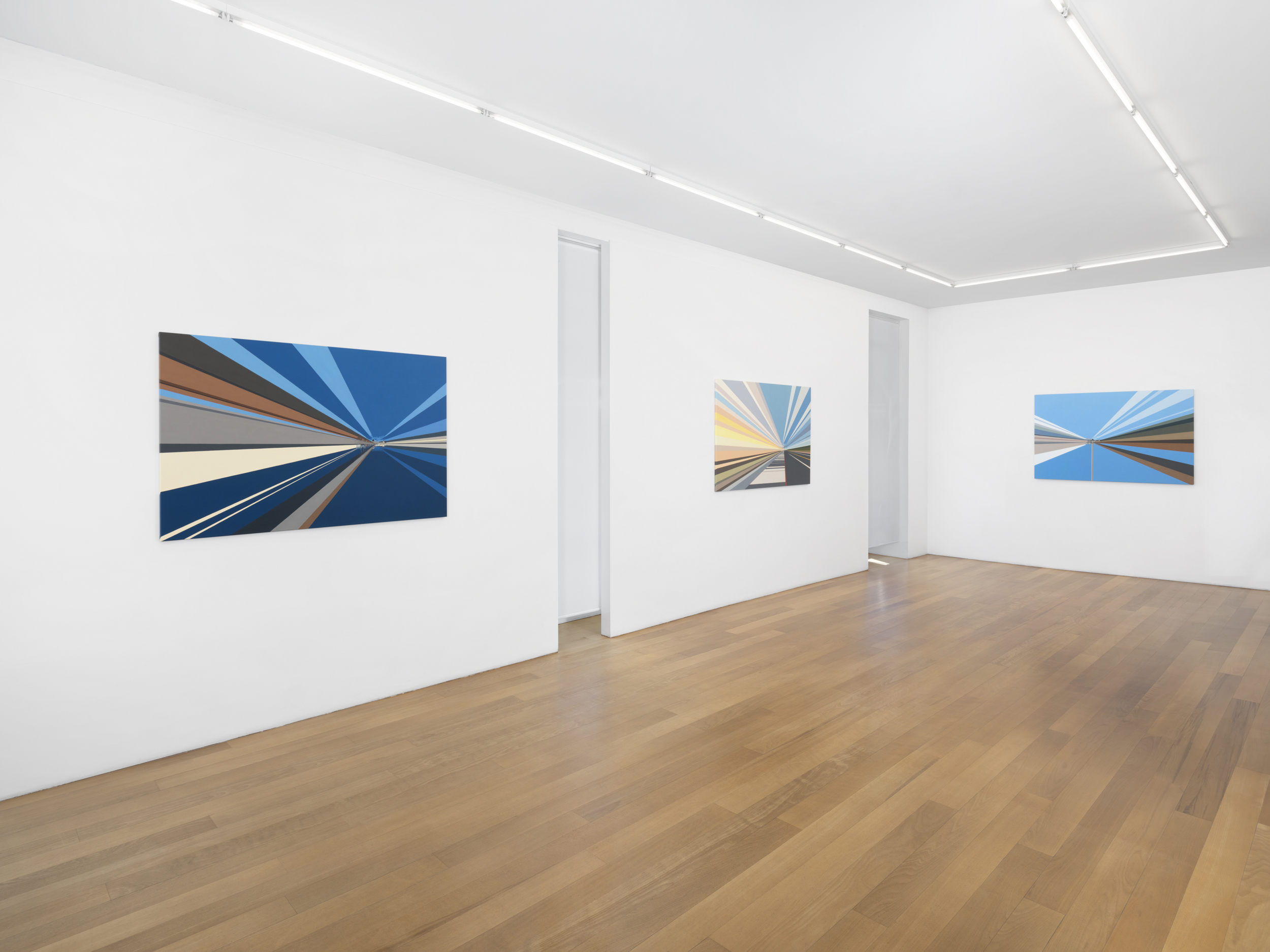
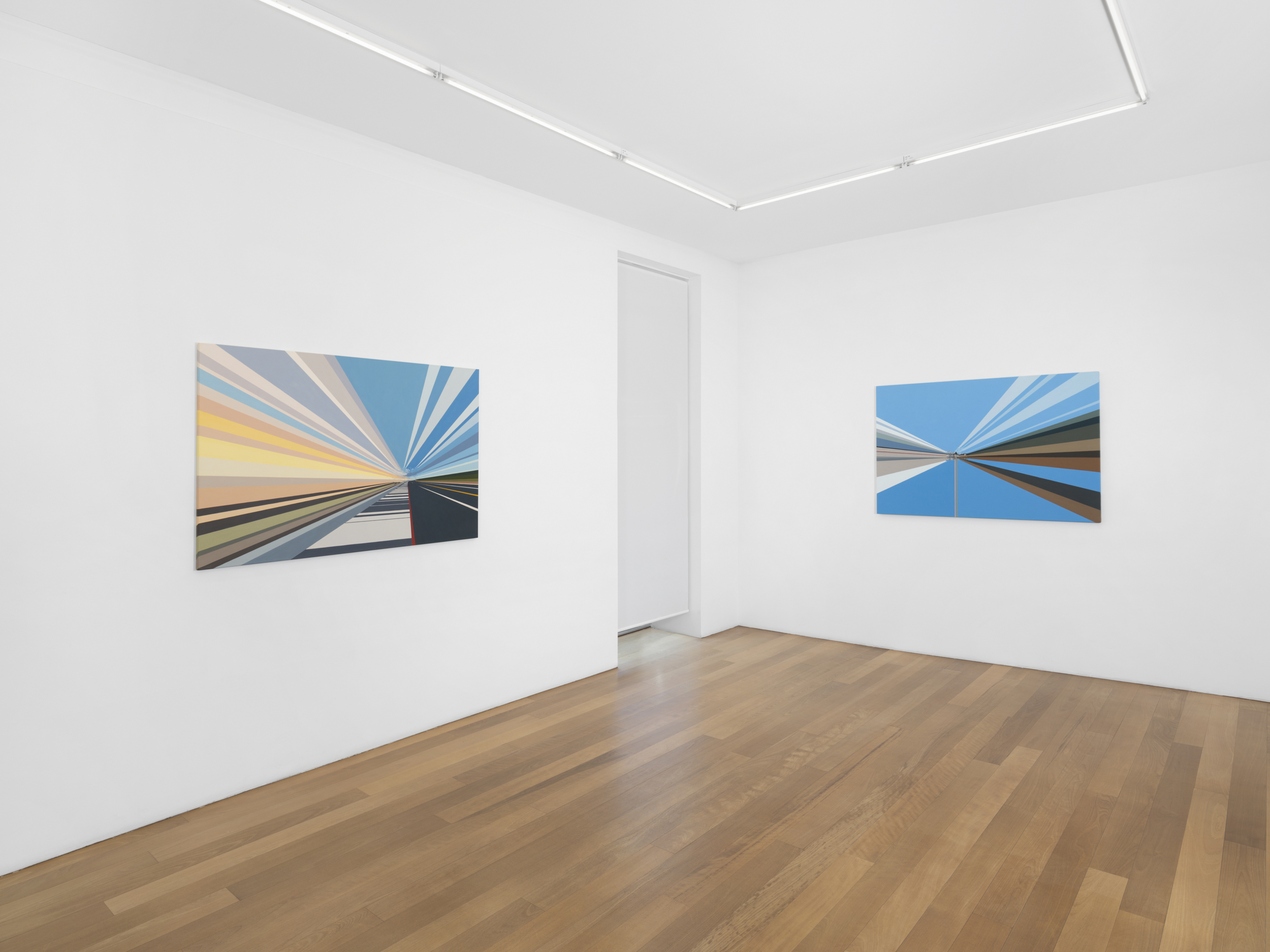
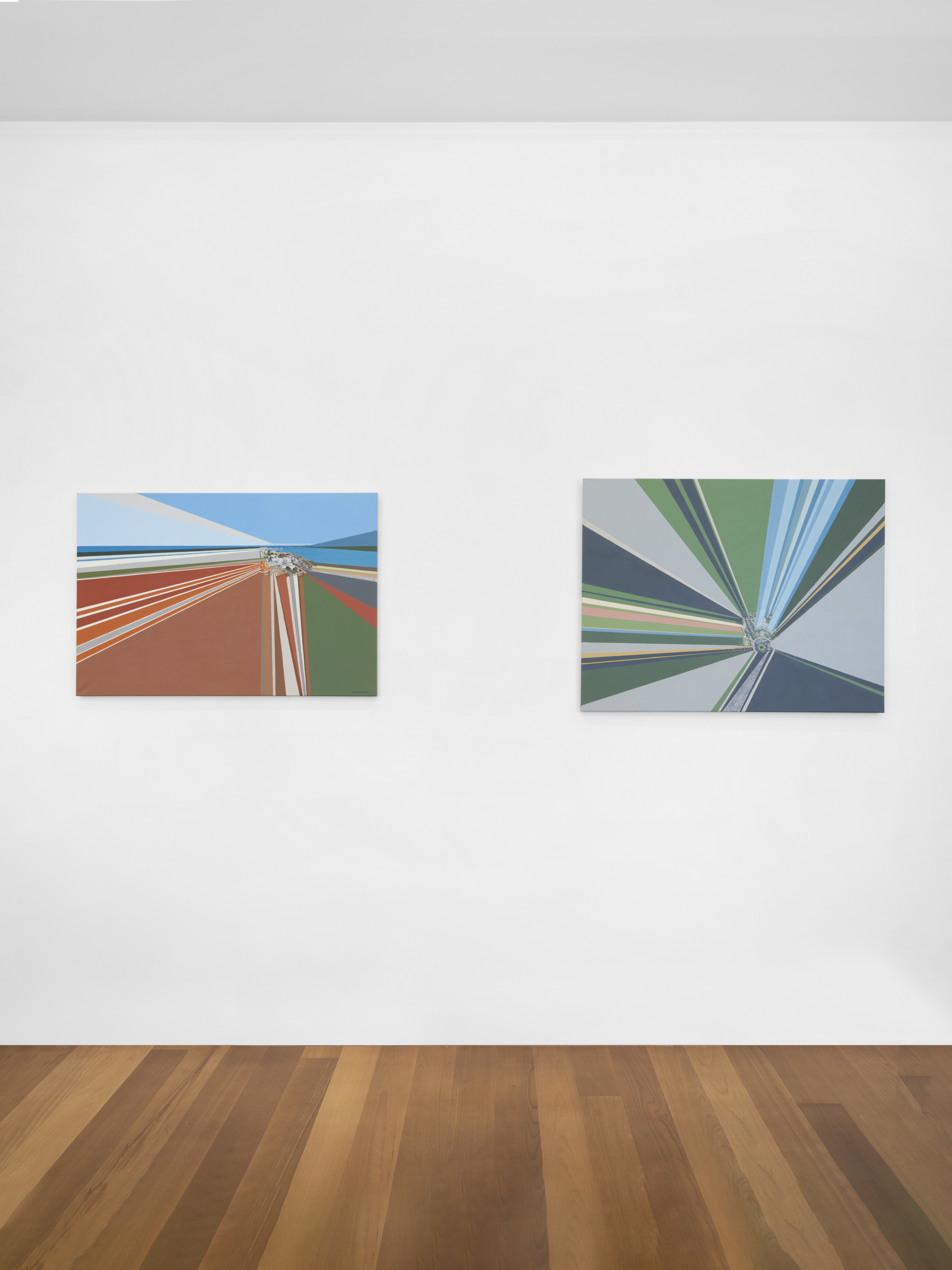
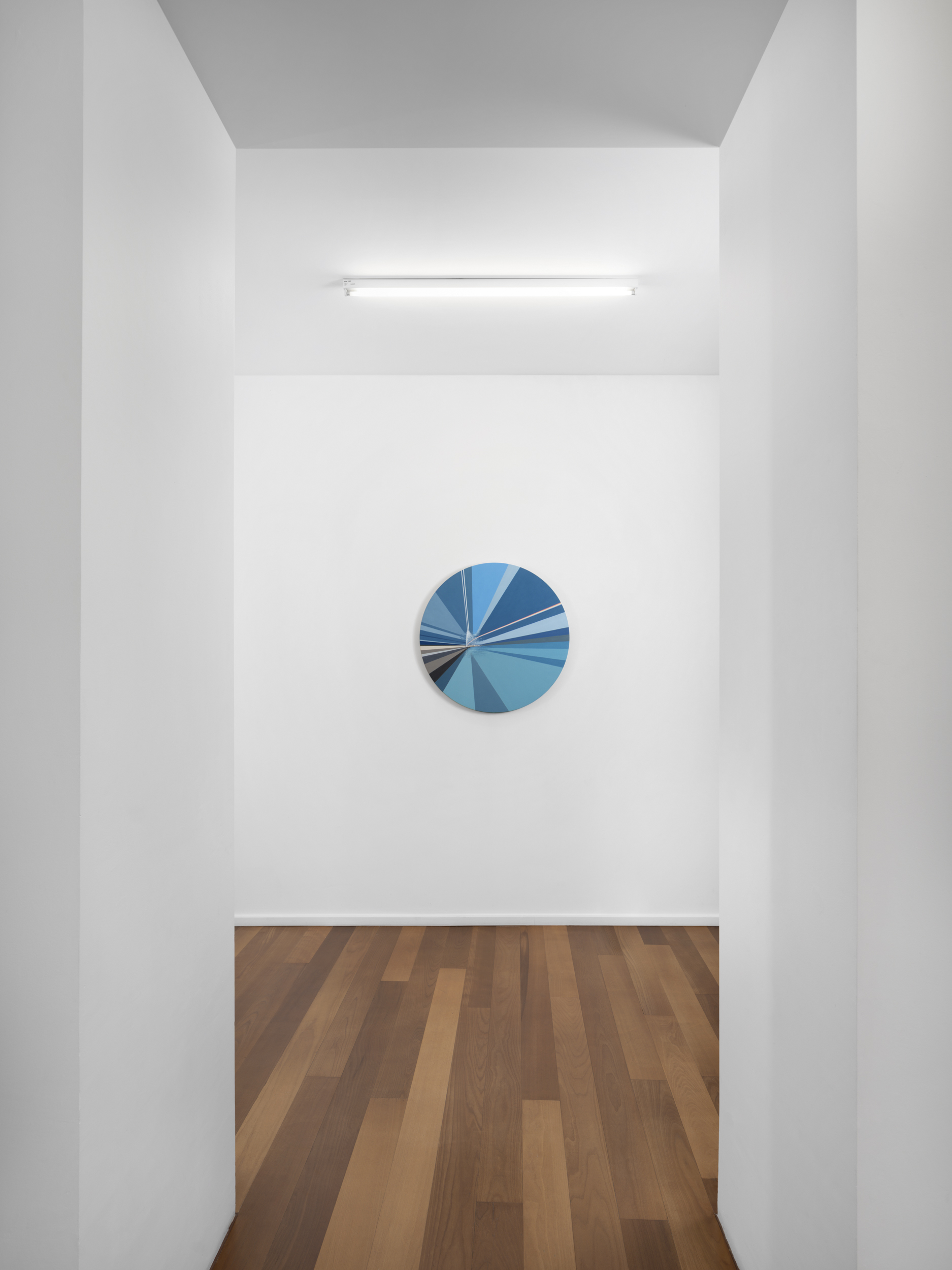
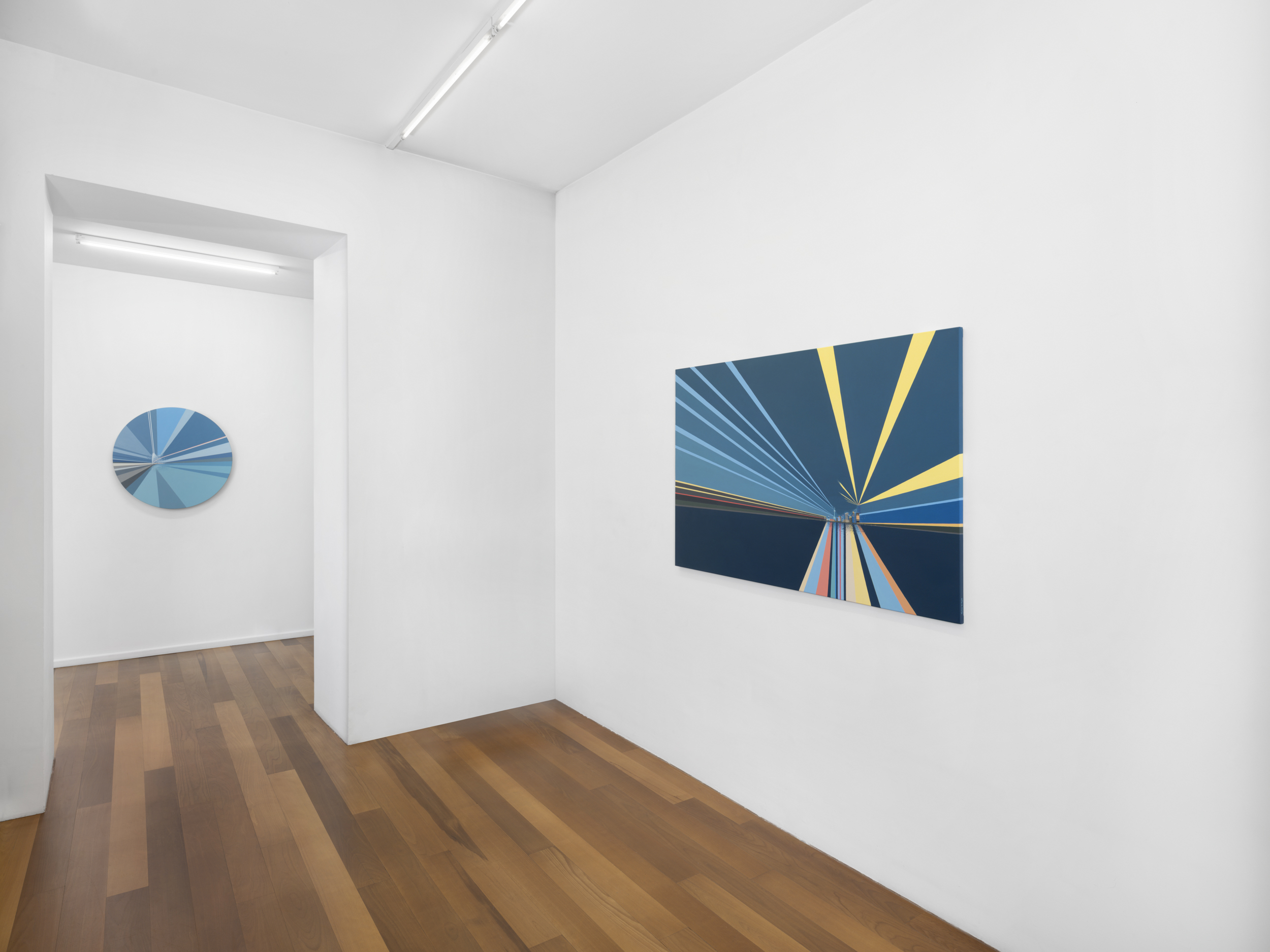
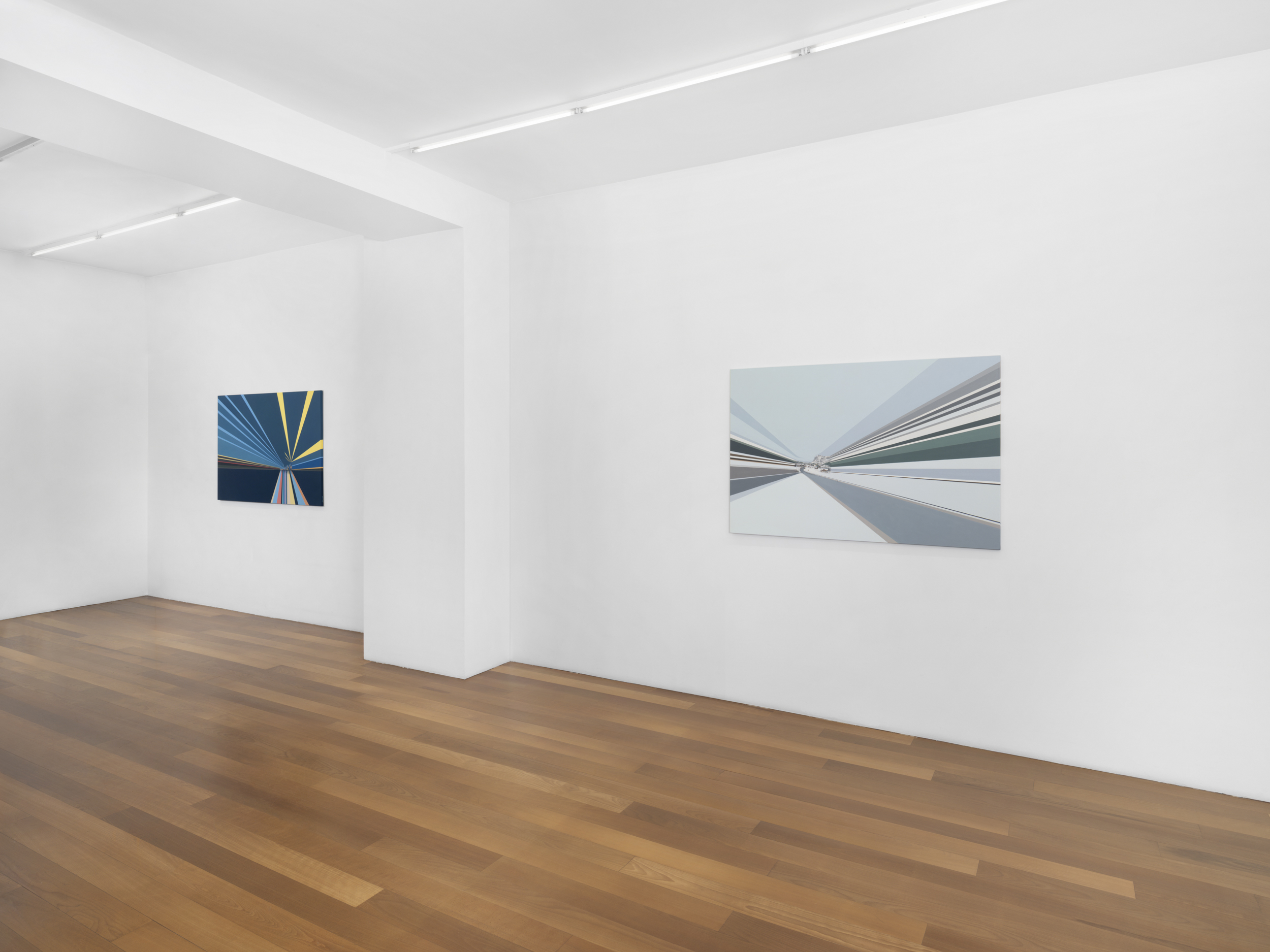
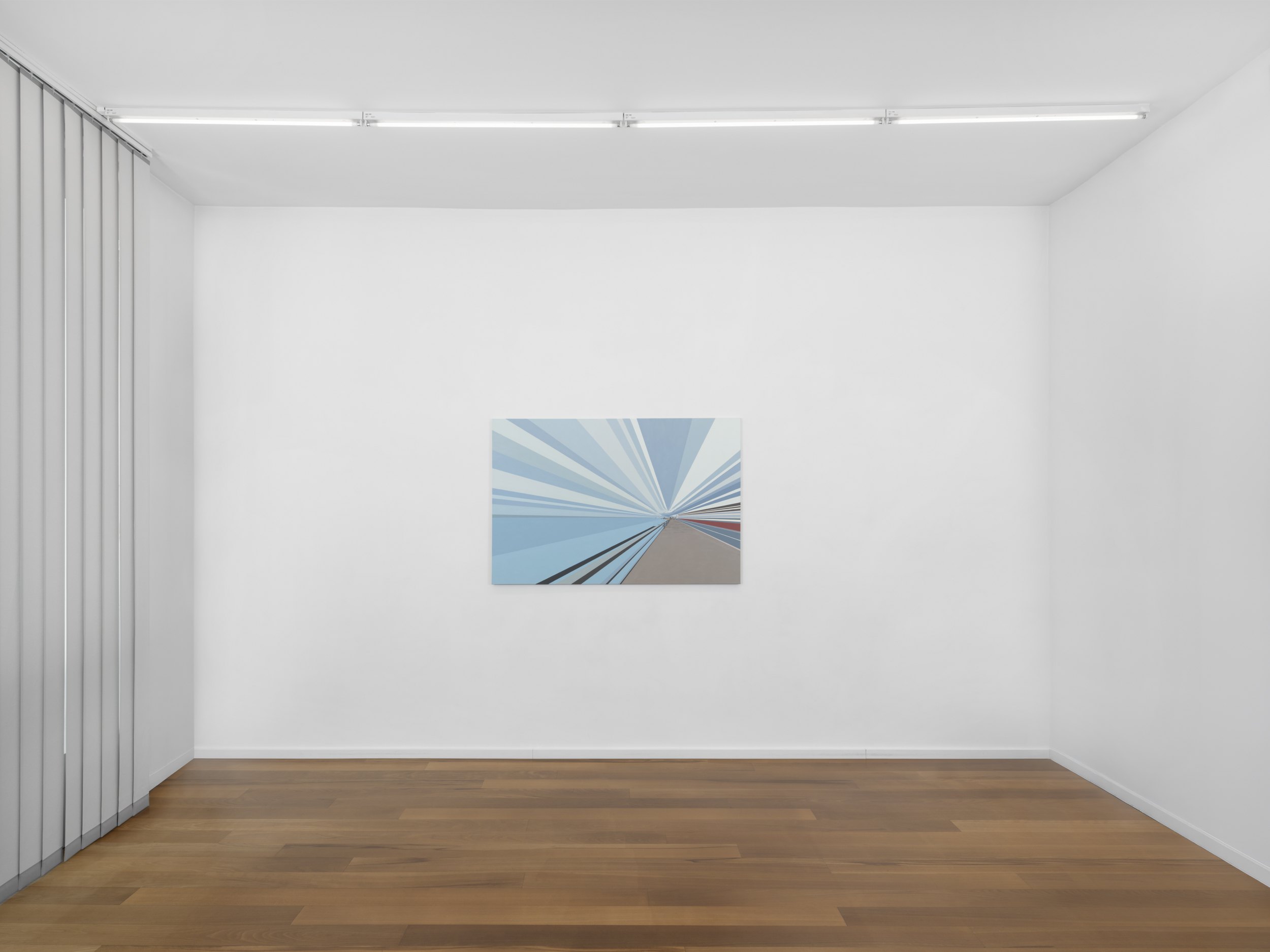
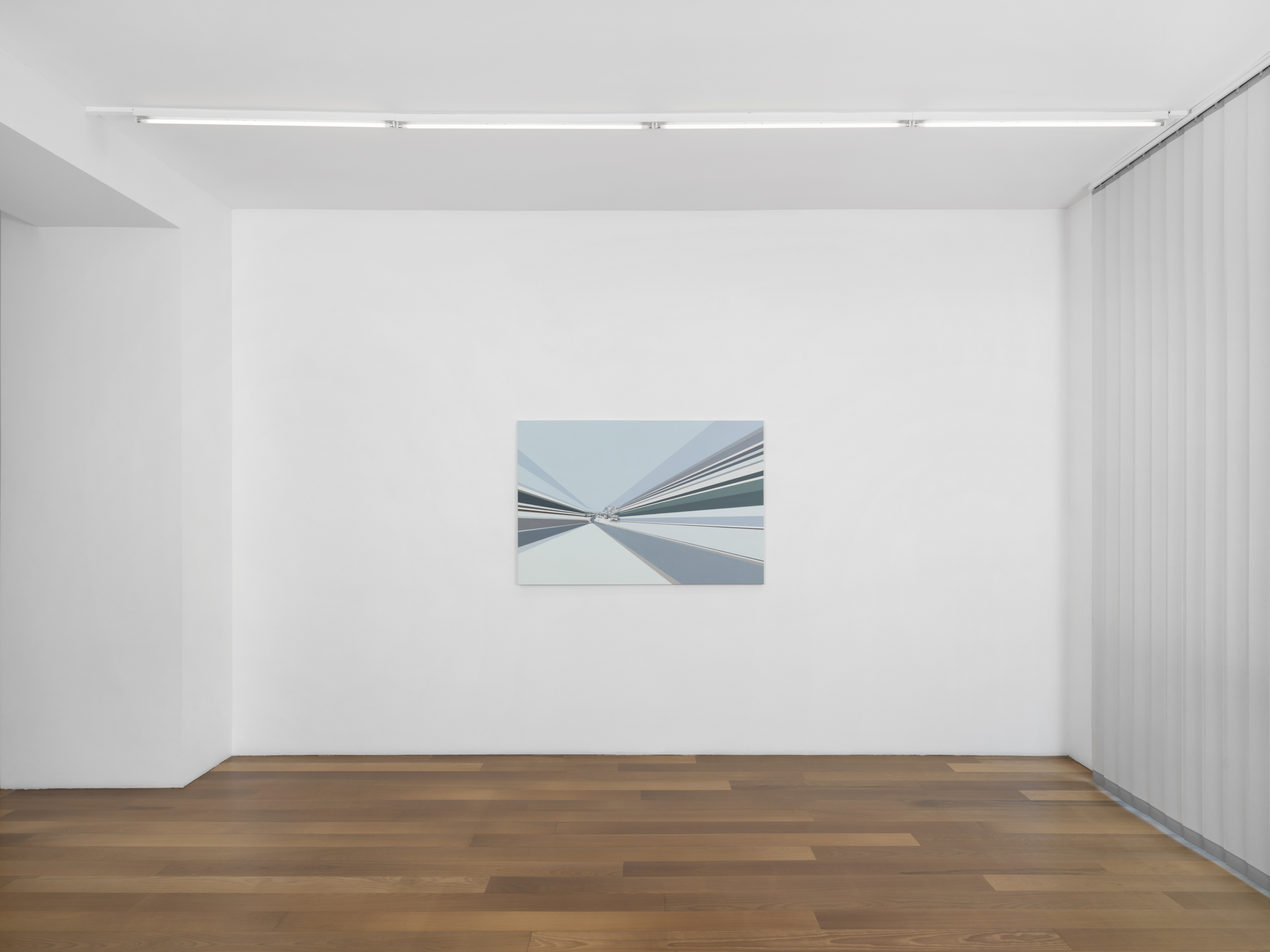
Xippas Geneva is pleased to present Parallaxe, Carolina Fontana’s first solo exhibition in Geneva.
The Transcendental Landscape : Some Reflections on the Recent Work of Carolina Fontana
When Carolina Fontana was invited to present a solo exhibition this spring at the Xippas gallery in Geneva, the artist decided to travel through the cantons of Geneva, Bern, and Luzern.
This seemingly anecdotal detail reveals a processual dimension that her paintings do not immediately make explicit.
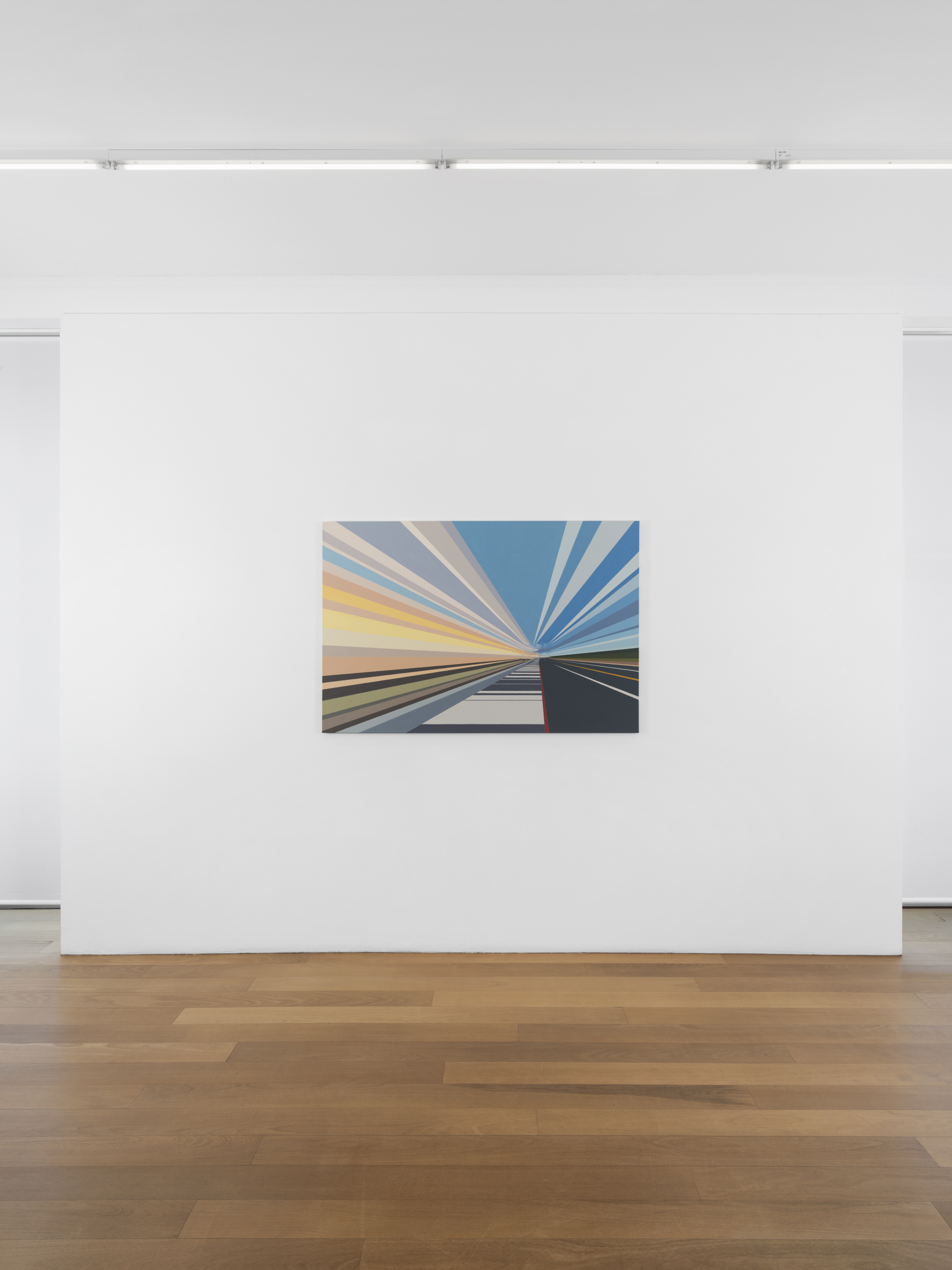
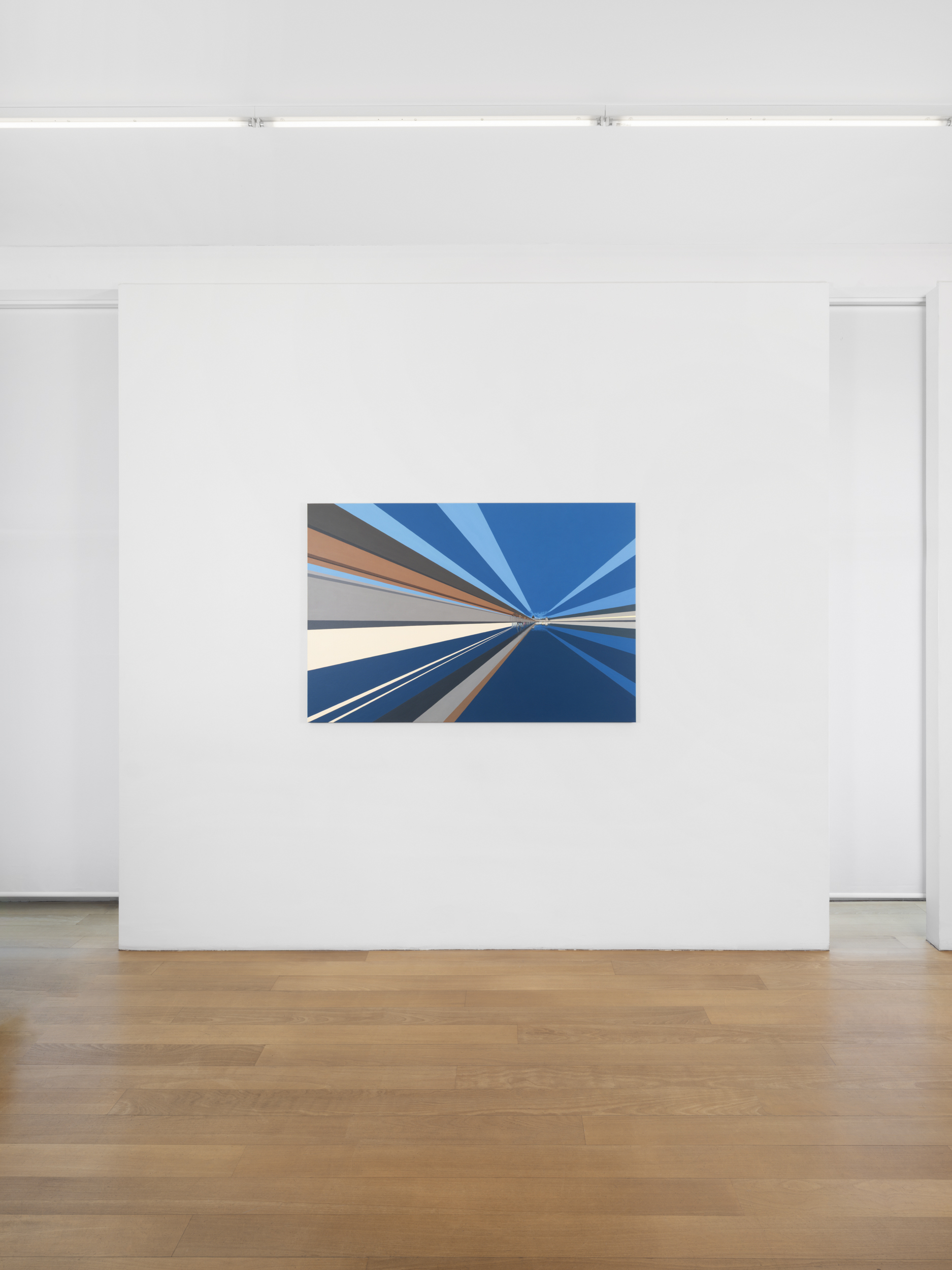
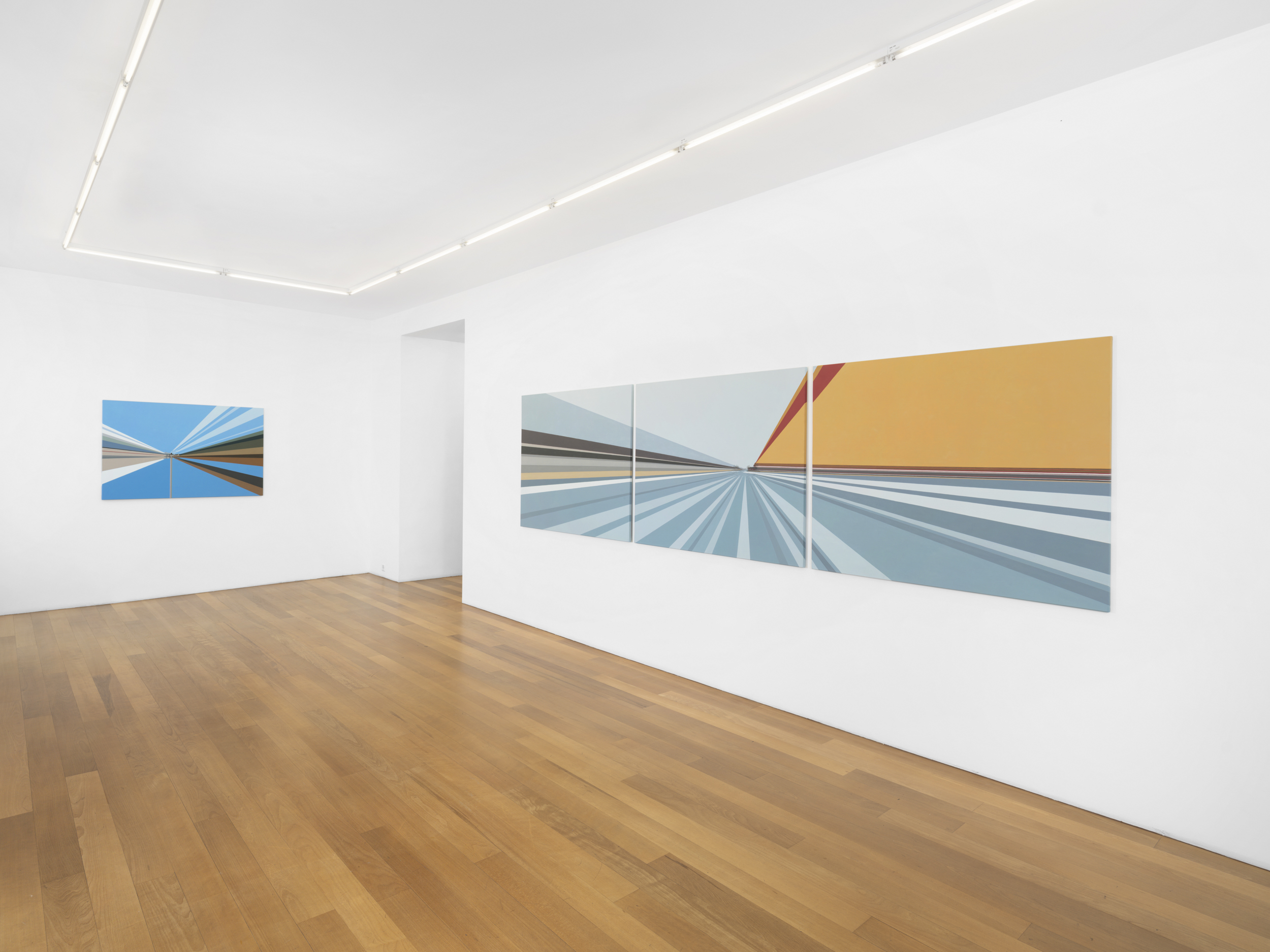
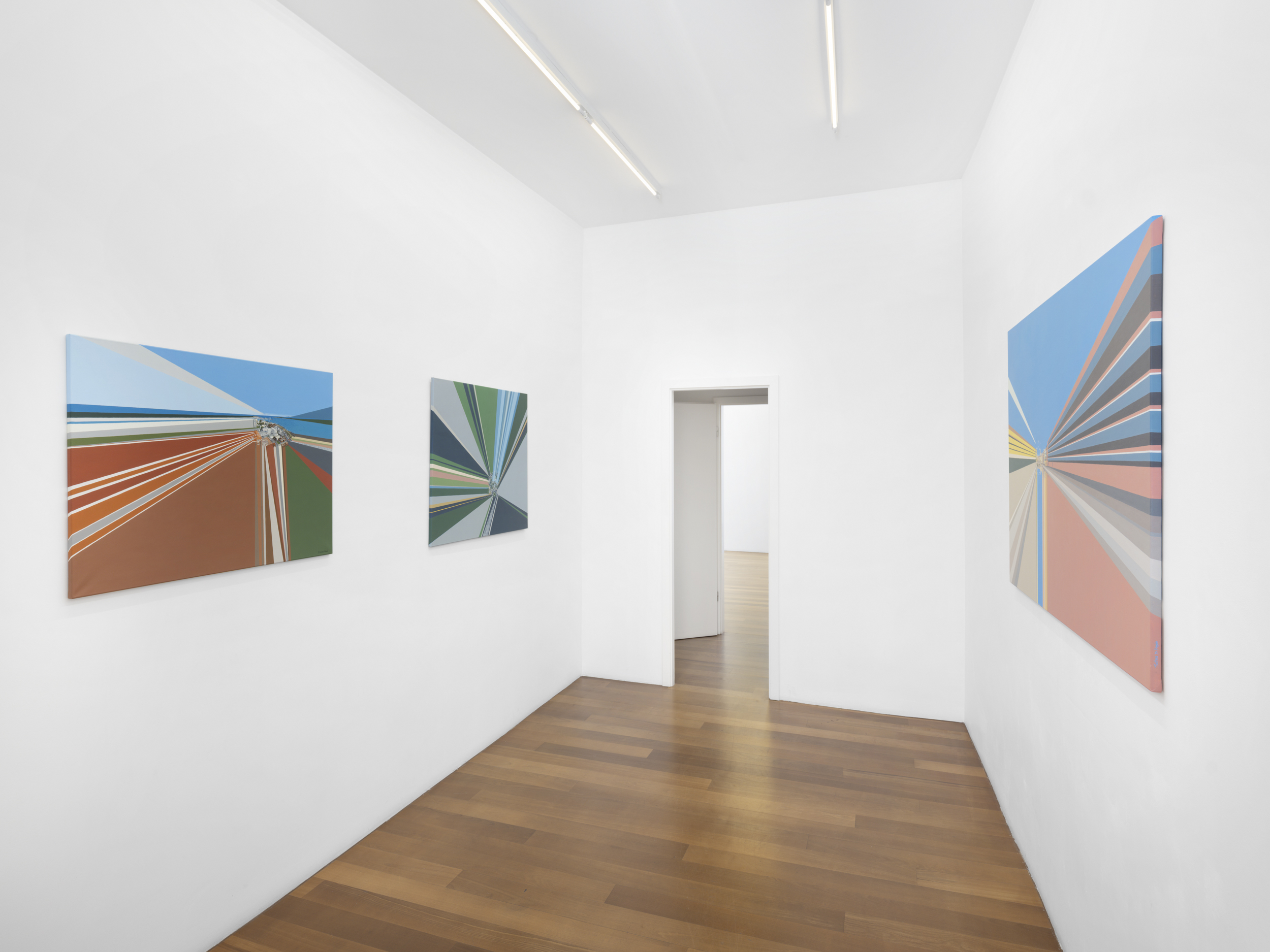
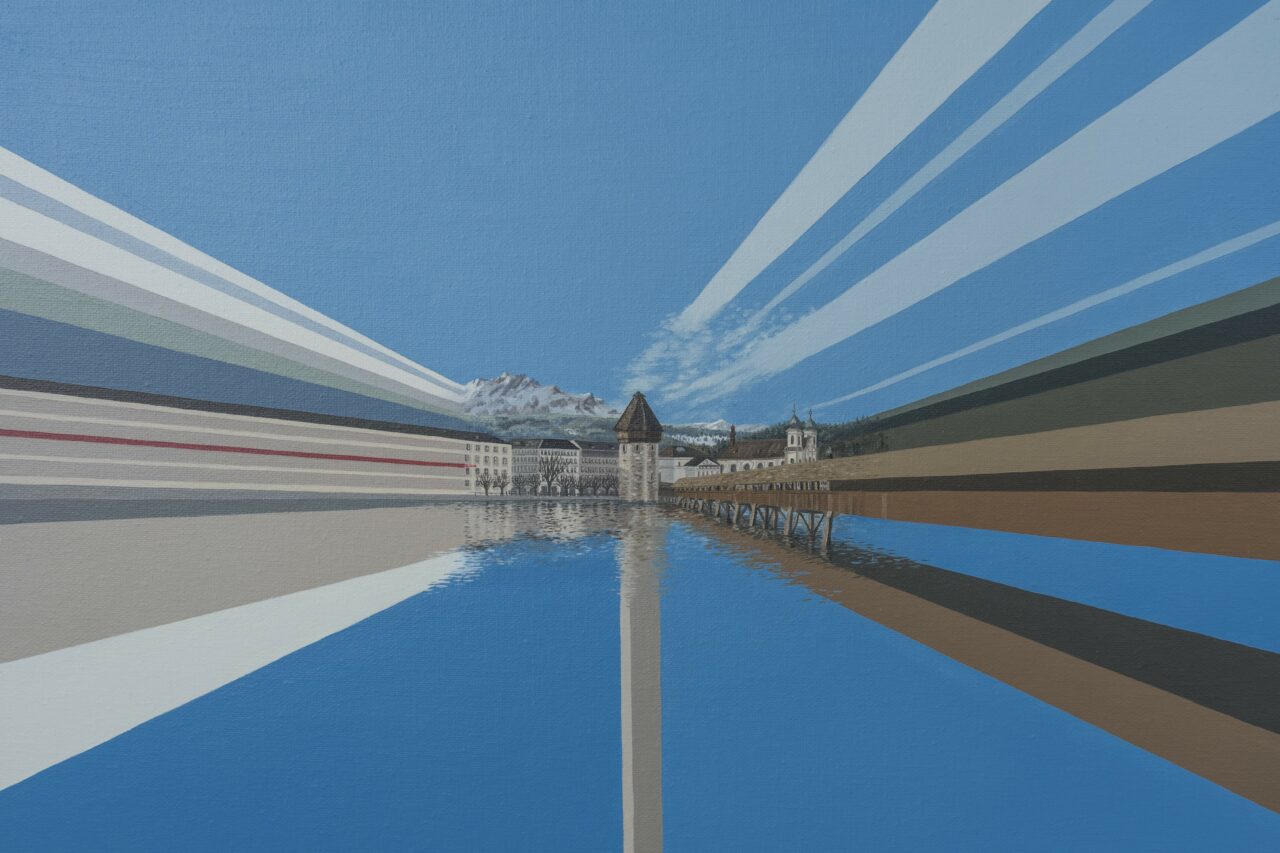
The canvases that Carolina Fontana has created in recent years, in the series entitled Z·E·N, are the result of a contemplative experience of the landscape. These works possess a poetic dimension that arises from the process itself; they are intimately connected to a method embodied in the artist’s travels across Switzerland and, previously, in certain cities in Spain and China.
If we situate these paintings within the tradition of landscape, this need to experience and inhabit the landscape or, in other words, to produce a work out of contemplation, seems to revive the Romantic idea of the sublime. Within this aesthetic movement, the sublime in creation refers to an extraordinary and wondrous experience, vast and immeasurable in scale, which can only arise from observing nature and landscape.
If beauty comforts and soothes us, the sublime unsettles and moves us. The immensity of what surrounds us seems to reduce us to ephemeral beings in the face of eternity.
And yet, these works bear the title Z·E·N, evoking a Japanese school of Buddhism that seeks, through intense meditative practice, to connect the body to its environment without the mediation of consciousness or reason. In this regard, Roland Barthes explains that this godless religion “appears as a vast practice intended to interrupt language, to break that kind of inner radio that constantly bombards us.”
Landscapes produced under the influence of Zen in Japanese art display a beauty defined by transience, by what is not fixed and cannot be controlled or understood through rational thought; they are boundless floating worlds.
Carolina Fontana’s paintings, in their free form, subtly seek to evoke this indeterminacy through the coexistence of figurative images and abstract forms. They arise from the desire to convey to the viewer this transcendental experience of the landscape. The titles of her recent works (CH Nevado Grindelwald, CH Luzern Punte, CH Luzern Reflejos) function as clues intended to activate this evocation.
This reminiscence, this sense of déjà vu, emerges as the viewer slowly approaches the work and recognizes, within the figurative elements, an image hidden in memory.
This evocation subtly connects us to the eternal intimacy of the landscape.
Manuel Neves, Paris, April 2026
Exhibition views
-
![Xippas-CarolinaFontana-exposition-JulienGremaud-002RB-web]()
Carolina Fontana, Parallaxe, Xippas Genève, 2026
© Julien Gremaud -
![1-Xippas-CarolinaFontana-exposition-JulienGremaud-003R-web]()
Carolina Fontana, Parallaxe, Xippas Genève, 2026
© Julien Gremaud -
![6-Xippas-CarolinaFontana-exposition-JulienGremaud-009R-web]()
Carolina Fontana, Parallaxe, Xippas Genève, 2026
© Julien Gremaud -
![5-Xippas-CarolinaFontana-exposition-JulienGremaud-011R-web]()
Z.E.N (PdE Atardecer Rambla Este), 2024
Huile sur toile
100 x 150 cm
© Julien Gremaud -
![4-Xippas-CarolinaFontana-exposition-JulienGremaud-012R-web]()
Z.E.N (CH, Luzern Reflejos), 2026
Huile sur toile
100 x 150 cm
© Julien Gremaud -
![2-Xippas-CarolinaFontana-exposition-JulienGremaud-001R-web]()
Carolina Fontana, Parallaxe, Xippas Genève, 2026
© Julien Gremaud -
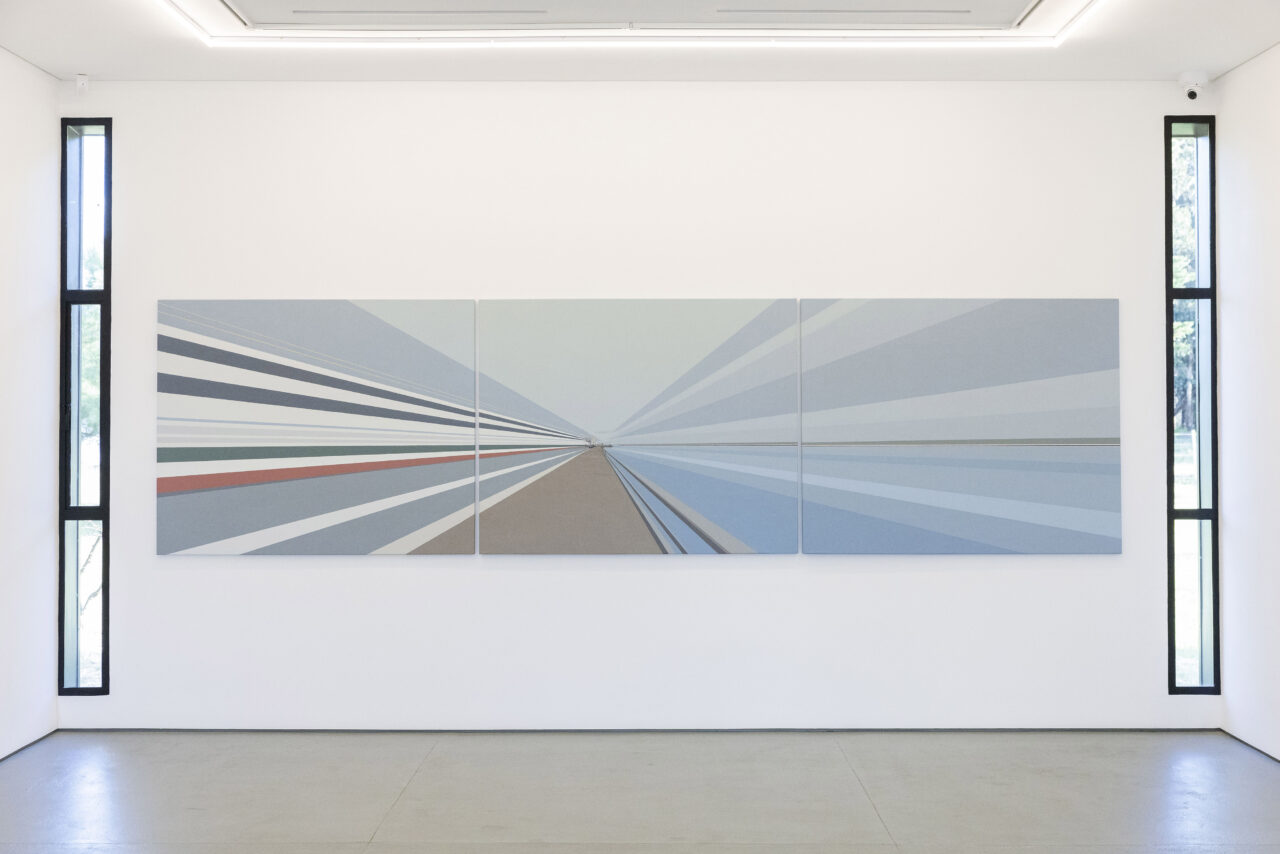
![3-Xippas-CarolinaFontana-exposition-JulienGremaud-004R-web]()
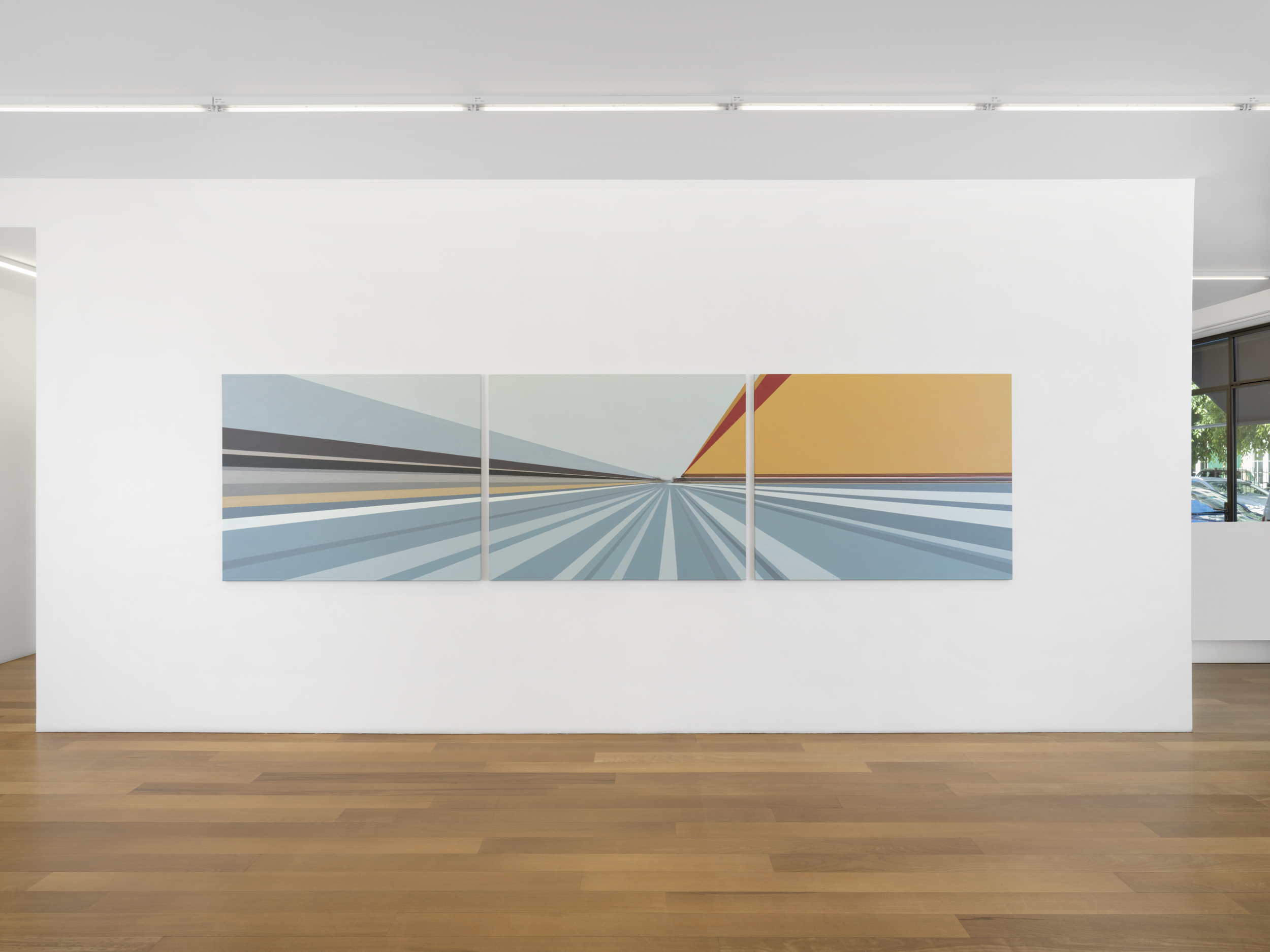
179º Beijing, 2024
Huile sur toile
Dimension totale : 120 x 450 cm
© Julien Gremaud -
![7-Xippas-CarolinaFontana-exposition-JulienGremaud-015R-web]()
Carolina Fontana, Parallaxe, Xippas Genève, 2026
© Julien Gremaud -
![9-Xippas-CarolinaFontana-exposition-JulienGremaud-014R-web]()
Carolina Fontana, Parallaxe, Xippas Genève, 2026
© Julien Gremaud -
![10-Xippas-CarolinaFontana-exposition-JulienGremaud-013R-web]()
Circular CH Genève, 2026
Huile sur toile
80 x 80 cm
© Julien Gremaud -
![11-Xippas-CarolinaFontana-exposition-JulienGremaud-010R-web]()
Z.E.N (Shanghai - Pearl Tower esmeralda), 2024
Huile sur toile
100 x 150 cm
© Julien Gremaud -
![12-Xippas-CarolinaFontana-exposition-JulienGremaud-008R-web]()
Carolina Fontana, Parallaxe, Xippas Genève, 2026
© Julien Gremaud -
![13-Xippas-CarolinaFontana-exposition-JulienGremaud-006R-web]()
Z.E.N PdE Pérgola, 2024
Huile sur toile
100 x 150 cm
© Julien Gremaud -
![14-Xippas-CarolinaFontana-exposition-JulienGremaud-007R-web]()
Z.E.N (CH, Nevado Grindelwald), 2026
Huile sur toile
100 x 150 cm
© Julien Gremaud